Chemistry, conflict, and culmination are what make a good romance story. Louis Malle’s 1992 psychological thriller ‘Damage,’ however, burns down these very comforting tropes, shifting the narrative from love to a raw obsession that grows more dangerous as the plot progresses.
Malle pivots the narrative to be driven entirely by desire. Much like his provocative work in ‘A Very Private Affair‘ and ‘Pretty Baby,’ the film centers on an unhealthy compulsion. Malle charts a stark map of human desire and emotional brokenness, which makes ‘Damage’ a brilliant film.
Mapping Desire And Brokenness In Louis Malle’s ‘Damage’

A common thread in Louis Malle’s movies is the toxic intersection of desire and brokenness. He uses intimacy as a tool to map the characters’ emotional wreckage. In ‘Pretty Baby,’ Violet deals with horrors early on, exhibiting desire and violence in their most brutal forms.
Related: 10 Romance Movies With Terminal Illness Trope
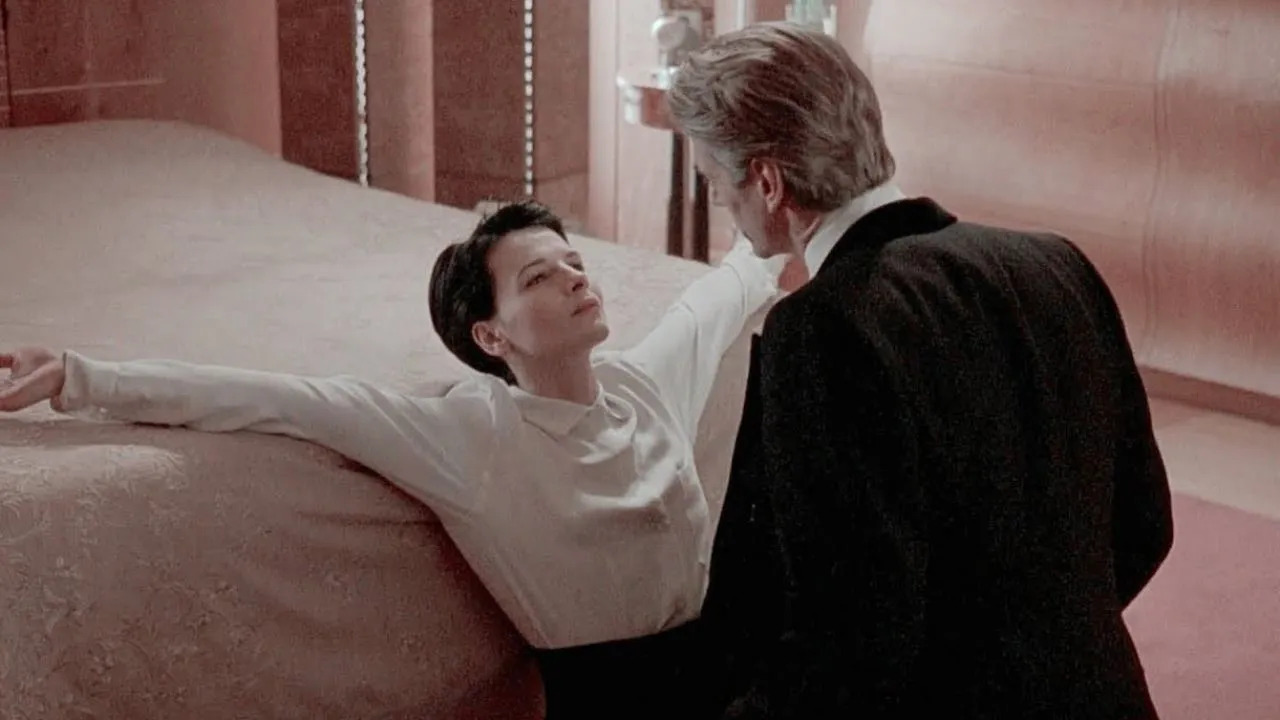
‘Damage’ is no stranger to this daunting trope. Juliette Binoche perfectly exemplifies this shattered psyche in her role as Anna. Her brokenness stems from her brother’s suicide, and a history of incestuous entanglement further complicates it.
This stands as one of many instances in which Malle shatters taboos in films. The film explores the stages of attraction as they gradually turn into obsession. This dismantled the entire notion of a family as an institution.
Opposite Anna, Jeremy Irons portrays Dr. Stephen Fleming, a cold, calculating lover who yearns in secret. However, their passionate affair comes to light when Stephen’s son, Martyn (played by Rupert Graves), unexpectedly walks in on them, triggering absolute chaos.
When Obsession Becomes A Recipe For Disaster
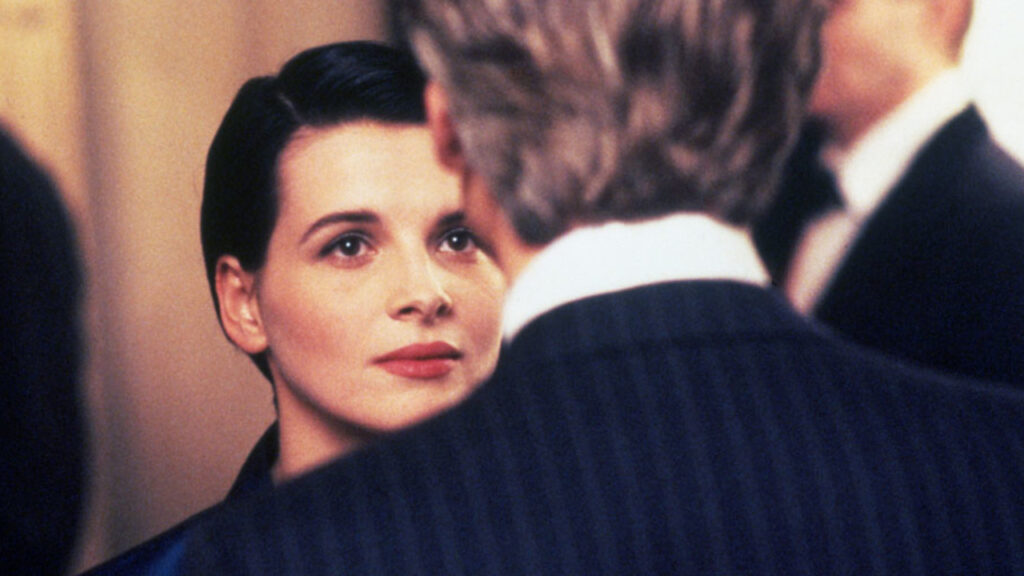
Moreover, another reason this 1992 film refuses to fixate on romance is that it is deeply psychological. The narrative is entrenched in manipulation, mind games, and a constant push and pull. The desire triggers intimacy, which hardens into an inescapable obsession.
In Case You Missed It: 10 Romance Movies That Sparked Massive Controversy
The pernicious, passionate fling leads to Martyn’s death. For Anna, physical intimacy is a means to navigate and numb her deeply rooted trauma. Her relationship with Martyn is merely a diversion. The brokenness propels a cycle of adultery and promiscuity that leaves both families in ruins.
It is an affair built on loss and is highly apocalyptic. It explains why Roger Ebert called it an “emotional traffic accident.” With the movie, Malle has successfully captured the dark intricacies of illicit love affairs and their devastating aftermath.
“Damaged people are dangerous. They know they can survive.” This haunting idea echoes throughout the movie, becoming the characters’ reality. Stephen and Anna’s dynamic is shaped largely by their toxic obsession with each other, with the former totally being consumed by it.
He passively allows his marriage, career, and reputation to disintegrate for a taste of this intense affair, a downfall that culminates in total exile and shame—gorgeously symbolized by the final, haunting shot of Stephen staring at a wall-sized photograph of his lost life.
Malle remains an astute director known for weaving offbeat tropes into his stories. While his stories position women as femme fatales, Anna possesses underlying complexities. Thus, women aren’t deeply devoted to love and romance in this movie.
It’s because of this unconventional approach that ‘Damage’ remains a masterpiece. It boldly pushes the boundaries and frontiers of storytelling by benching romance, choosing instead to place the terrifying reality of obsession at its core.
You Might Also Like To Read: Before They Became A-List Stars, Cameron Diaz and Ewan McGregor Made This Strange Fantasy Romance