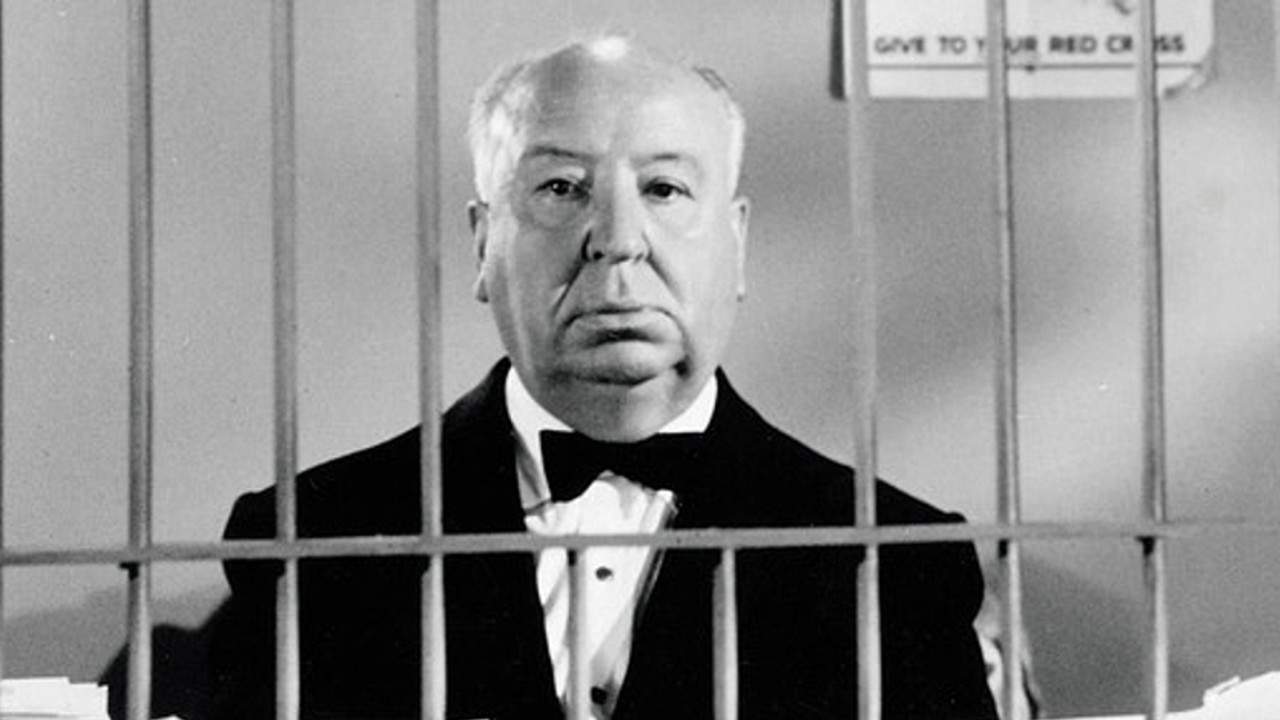
Alfred Hitchcock remains one of the most influential directors of all time, a masterful storyteller who helped shape the dark thriller genre during one of the most politically turbulent periods in the world. With a prestigious career spanning more than six decades, Hitchcock repeatedly terrified audiences with his chilling sense of suspense and helped define modern cinematic thrillers, while influencing directors such as Brian De Palma, David Fincher, and even Martin Scorsese.
Even though one can hardly point to a misstep in the filmography of Hitchcock, people mostly associate him with a handful of legendary works – namely, ‘Psycho,’ ‘Vertigo,’ ‘Rear Window,’ and perhaps ‘Rebecca.’ These enduring classics continue to captivate viewers who rarely tire of their deeply unsettling plots. However, when it came to Hitchcock himself, his most personal favorite was a 1943 film that many people may not know about. Yet it still holds a perfect 100% score on Rotten Tomatoes even after more than eight decades.
Why ‘Shadow of a Doubt’ Was Personal For Alfred Hitchcock
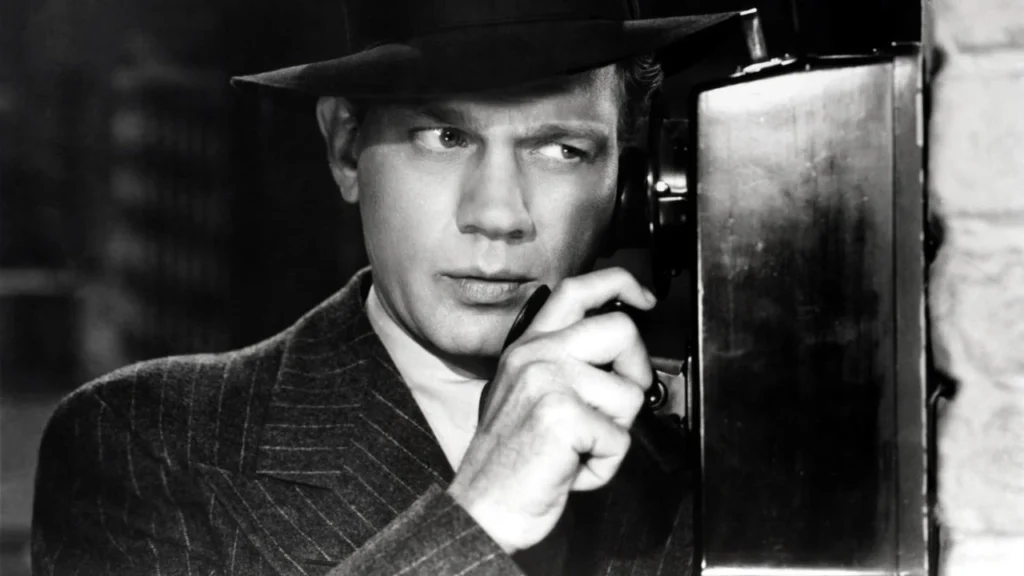
Hitchcock once described ‘Shadow of a Doubt‘ as the film that came closest to his artistic vision. While this may come as a surprise to many who closely followed Hitchcock’s work, his reasoning behind the claim is both thoughtful and compelling.
Unlike many of his films that unfold in flashy, glamorous, and dangerous settings, ‘Shadow of a Doubt‘ takes place in a far more modest environment. There are no luxury hotels like those seen in ‘The Man Who Knew Too Much,’ no globe-trotting intrigue like in ‘Foreign Correspondent‘, and none of the high-stakes conspiracies that drive ‘North By Northwest’.
Related: The Classic Thriller That Put Alfred Hitchcock On FBI’s Watchlist
Instead, the film, based on Thornton Wilder’s novel, explores the darkness lurking beneath ordinary American life. The film follows young Charlie Newton, a bored teenager living in the peaceful town of Santa Rosa, California. Her mundane life soon becomes more exciting when her charming uncle, Uncle Charlie, arrives for a visit.
At first, she sees him as the most fascinating person she has ever met. But gradually a disturbing truth begins to emerge behind his polished facade, the fact that her uncle may in fact be a serial killer wanted by the police.
It is the film’s psychological conflict that truly sets ‘Shadow of a Doubt‘ apart from many works by the great filmmaker. Rather than relying solely on conventional suspense tricks, the story centers on the unsettling bond between the two Charlies.
How ‘Shadow of a Doubt’ Foreshadowed Hitchcock’s Later Masterpieces
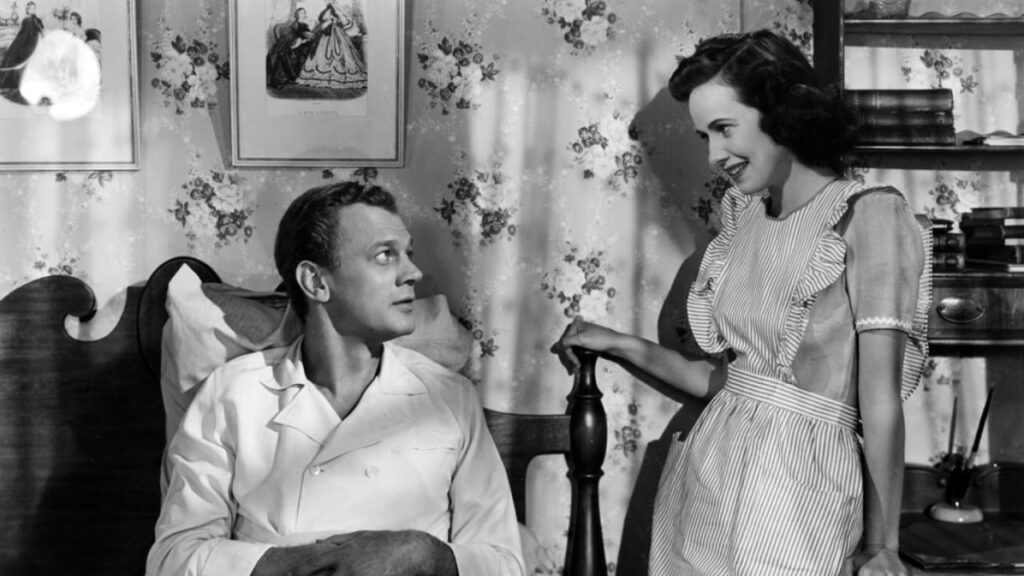
Through its ordinary small-town setting, the film creates a sense of unease, something Hitchcock would later master in ‘Rear Window.’ It also incorporates psychological tensions that he would later explore on a much larger scale in ‘Vertigo‘.
Additionally, the most chilling aspect of the movie, the fact that evil can wear a friendly face, would later become the central theme of Psycho. In short, ‘Shadow of a Doubt‘ feels like the quiet foundation upon which Hitchcock later built his iconic directorial career.
In Case You Missed It: Why Christopher Nolan And Quentin Tarantino Will Never Agree On Alfred Hitchcock
A Hitchcock Film Made on a Surprisingly Small Budget
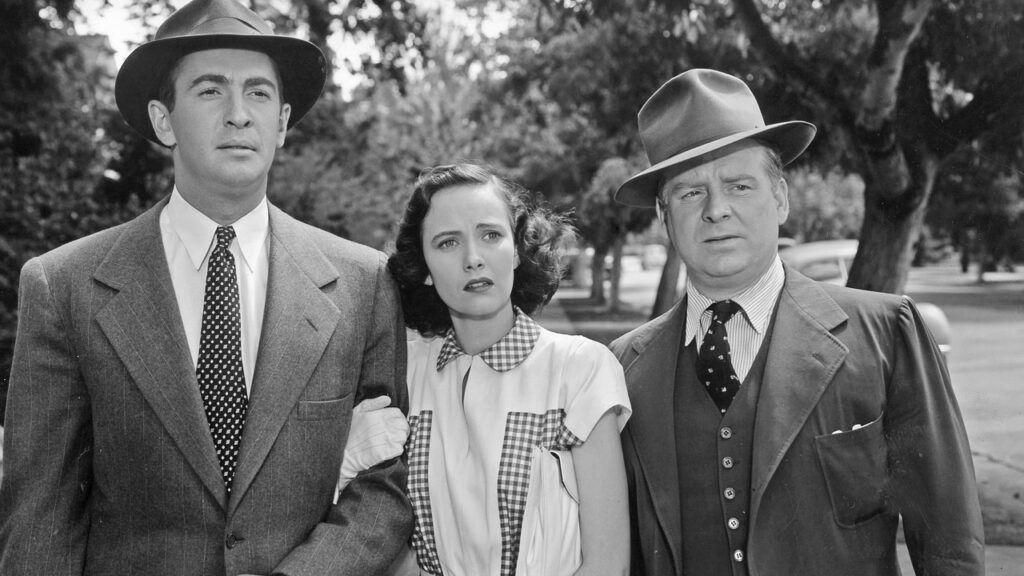
The film was also apparently one of Hitchcock’s most frugally made productions. Known for spending at least $100,000 on movie sets, Hitchcock spent only around $3,000 on this film after the War Production Board imposed limits on the American film industry, capping film set budgets at $5,000.
With all these reasons in mind, Hitchcock had every right to believe that ‘Shadow of a Doubt’ was the most important film in his career. Perhaps he himself already sensed the significance of the film that would later shape his career and help him earn the title of the ‘Master of Suspense.’
You Might Also Like to Read: The Time Alfred Hitchcock Almost Made A James Bond Movie