
In 1962, when Stanley Kubrick decided to adapt Vladimir Nabokov‘s controversial novel ‘Lolita,’ he faced an unusual dilemma. Even though the film became another milestone in cinema history, the legendary director had some regrets. In contrast to the majority of Kubrick’s works, this movie sparked intense moral controversy, leading the director to later reveal what he considered the most essential flaw of his adaptation.
Kubrick attributed this problem to the era’s strict censorship rules, which forced him to make significant adjustments to the story. It is obvious that, due to this challenge, the narrative lost some of its dark psychological features and became less complex in its interpretation.
Censorship Limited Stanley Kubrick’s Vision
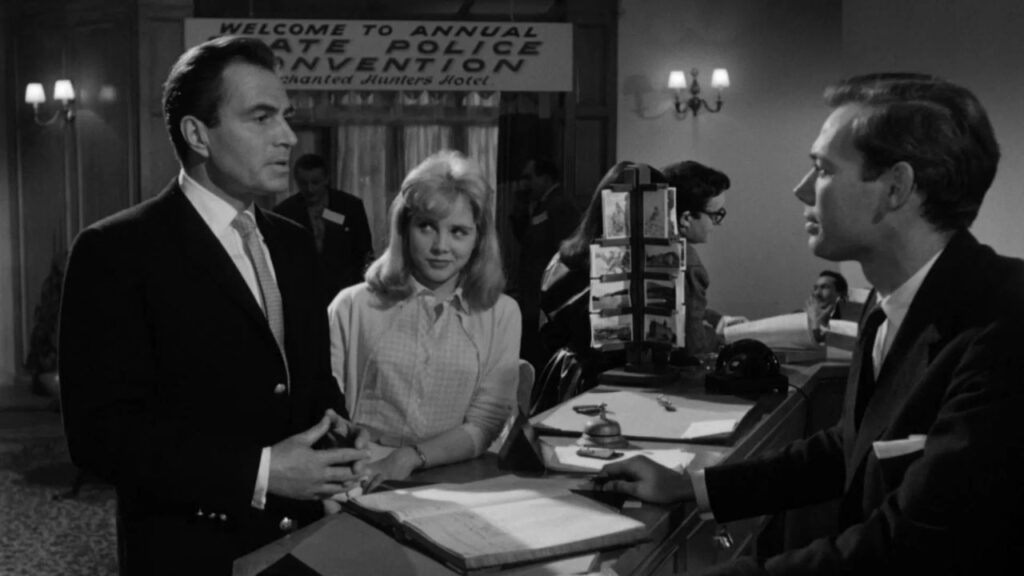
While discussing ‘Lolita,’ Kubrick mentioned one serious drawback of adapting the story. Specifically, he noted that to satisfy the requirements of the Production Code and the Catholic Legion of Decency, he needed to reduce the level of eroticism of the lead characters’ relations.
According to Kubrick, even though Sue Lyon perfectly fit the image of ‘Lolita,’ her motives in her relationship with Humbert Humbert remained obscure.
Related: How ‘Dr. Strangelove’ Almost Hijacked Hollywood’s Most Famous Patriot
“I would fault myself in one area of the film, however, because of all the pressure over the Production Code and the Catholic Legion of Decency at the time, I believe I didn’t sufficiently dramatize the erotic aspect of Humbert’s relationship with Lolita.” Kubrick stated in an interview with Joseph Gelmis in 1970.
Further adding, “And because his s—– obsession was only barely hinted at, many people guessed too quickly that Humbert was in love with Lolita.”
As Kubrick admitted, if he had had another chance to shoot this story, he would have paid as much attention to this detail as Vladimir Nabokov did. In other words, in Kubrick’s vision, this was the only drawback of the movie.
How Censorship Altered The Narrative, As Per Kubrick
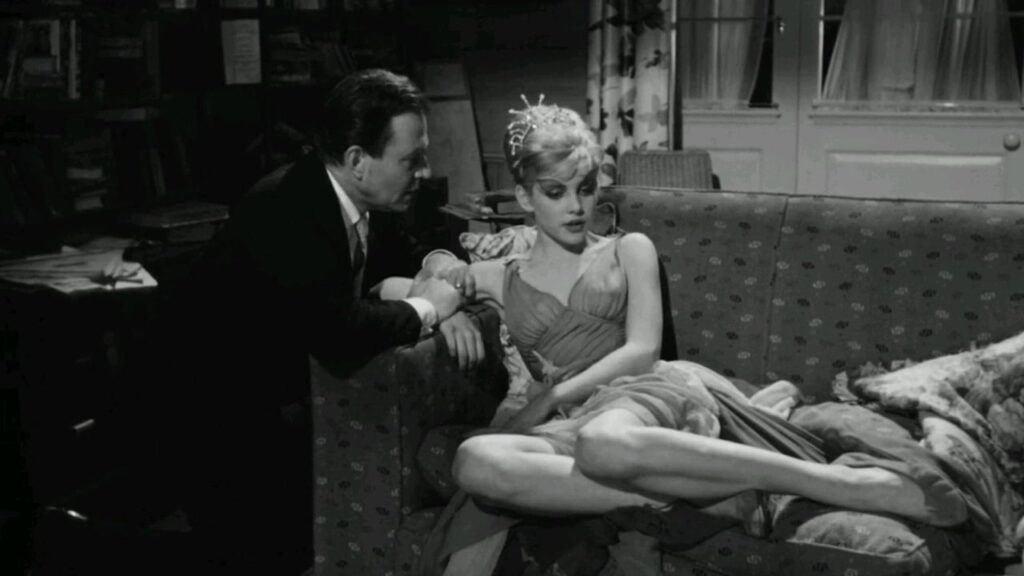
According to Stanley Kubrick, the lack of eroticism in the story had several consequences related to the perception of the protagonists’ personalities.
Specifically, he noted that, unlike in Nabokov’s novel, viewers did not see the protagonist’s perception of his “lover” change. In his vision, the essence of the story lay in the difference between the two terms, obsession and love, and the process of gradual transformation. As for the director, he felt viewers reached their conclusions too quickly.
In Case You Missed It: 10 Must-Watch Cold War Movies
In the novel, Humbert Humbert starts his relationship with ‘Lolita‘ to satisfy his sensual desires. At first, his feelings are hardly pure love. As the story progresses and ‘Lolita‘ enters adulthood, Humbert realizes that his feelings for her go beyond the obsession that initially defined their relationship.
Kubrick felt that the film failed to preserve this distinction, leading many viewers to overlook the contrast between Humbert’s early fixation and his later emotional awakening.
You Might Also Like To Read: 10 War Movies That Actually Get History Right










, blaming strict censorship for ruining a major twist in the story.)