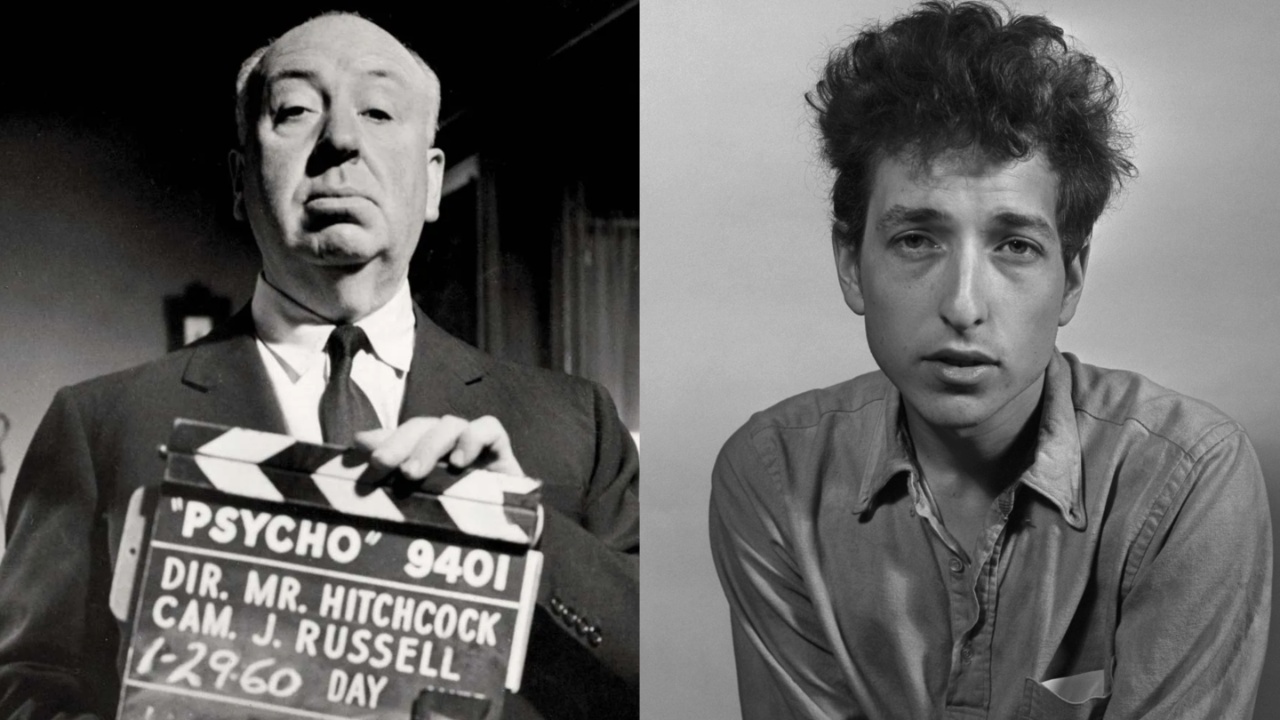
In the summer of 1964, Bob Dylan sat down and wrote, in one long session, the songs that became ‘Another Side of Bob Dylan‘. Tucked away on that record, overshadowed by the confessional ‘Ballad in Plain D‘ and the sprawling ‘Chimes of Freedom,’ is one of the strangest and funniest songs he ever recorded, ‘Motorpsycho Nightmare.’
The title says it all. Dylan had just seen Alfred Hitchcock‘s 1960 film ‘Psycho‘, and he turned the whole thing into a comic story.
Bob Dylan ‘Psycho’ Lyrics Analysis and Fellini La Dolce Vita Influence
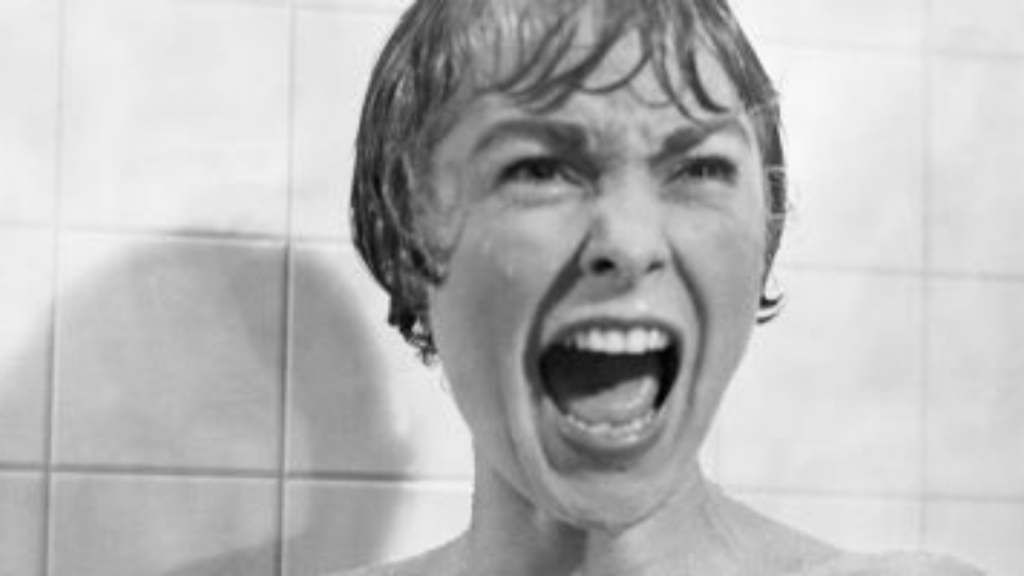
The song borrows an old traveling-salesman joke. A tired drifter knocks on a farmhouse door looking for a place to sleep, and ends up facing a shotgun-toting farmer who assumes the worst. Dylan mixes that old joke with the plot of ‘Psycho‘ almost beat for beat. The farmer’s daughter, Rita, sneaks up on the narrator at night and looks a lot like Anthony Perkins, the actor who played Norman Bates. When she offers him a shower, he says no thanks, clearly aware of the scene every moviegoer in America would have recognized. By the end of the song, he gets away not through luck but through free speech. He riles up the farmer by praising Fidel Castro, then runs off while the farmer shoots at him, dodging both a swamp and Marion Crane’s fate.
Related: The Creepy ‘Psycho’ Easter Egg Hidden in ‘Barbie’ That Most Viewers Completely Missed
The fan site Untold Dylan points out that “Motorpsycho, as the name suggests, takes as its starting point the Hitchcock movie, Psycho,” and also notes a nod to Federico Fellini’s La Dolce Vita, since the farmer’s daughter is described as looking like she stepped right out of that film. Dylan was clearly paying attention to international films that year. In the Biograph liner notes, he later said Fellini’s earlier film ‘La Strada‘ influenced ‘Mr. Tambourine Man,’ telling interviewers, “different things inspired me.”
‘Motorpsycho Nightmare’ Bates Motel References and Bob Dylan 115th Dream Connection
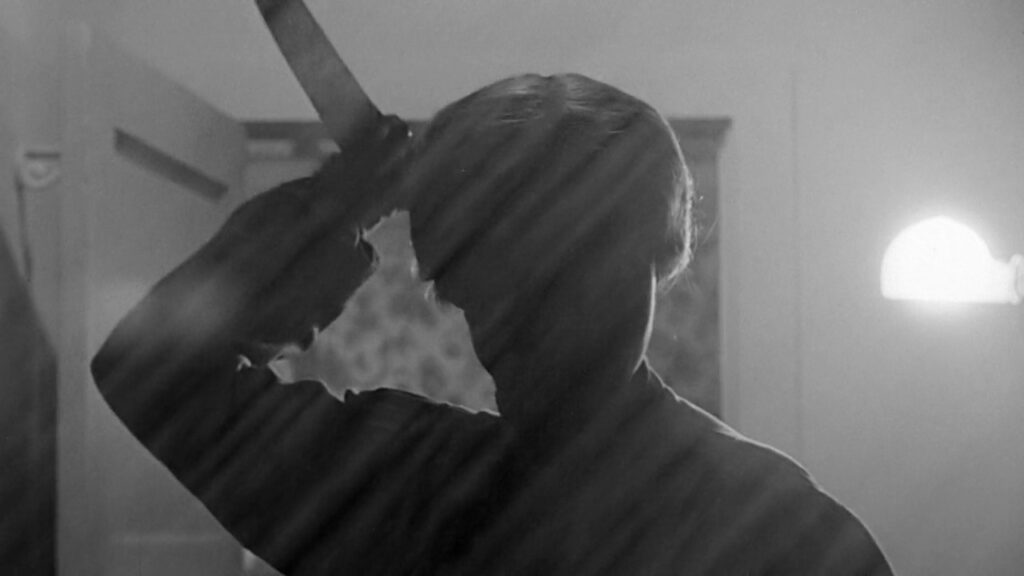
Writers at American Songwriter have gone through the song’s Hitchcock references line by line. They point out that the narrator turning down the shower is a direct wink at the most famous eleven seconds in movie history, and that the daughter later working at a motel is, as they put it, “a nod, perhaps, to the Bates Motel.”
In case you missed it: How Alfred Hitchcock’s ‘Psycho’ Flushed Away Hollywood’s Weirdest Censorship Rule
The Wikipedia entry on the song adds some political context too. Historian Sean Wilentz has suggested that ‘Motorpsycho Nightmare‘ works as an early version of “Bob Dylan’s 115th Dream,” the fast-moving, surreal song Dylan would record just seven months later.
Why ‘Motorpsycho Nightmare’ Still Matters
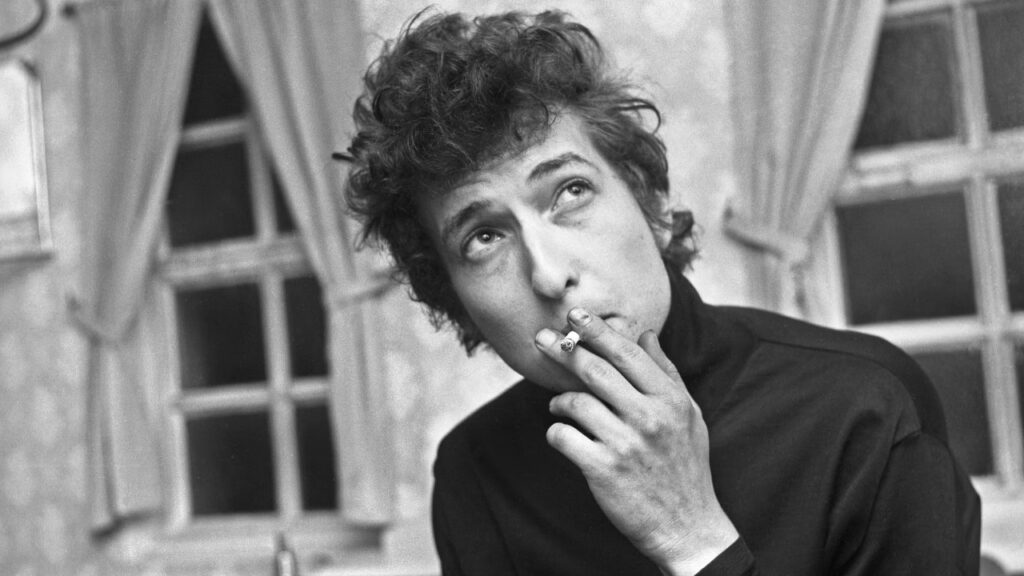
What stands out is the timing. ‘Psycho‘ had broken box-office records and rattled audiences only four years before, and its shower scene was already a symbol of modern fear. Dylan, only 23 and mostly known as a topical folk singer at the time, was showing something new with this song. He proved that he cared as much about movies and absurd comedy as he did about protest music. A retrospective from an outlet said the track let Dylan “show he truly was a child of the counter-culture,” turning someone else’s art into raw material for his own.
‘Motorpsycho Nightmare‘ never became one of Dylan’s well-known songs. He’s reportedly never performed it live, and it rarely shows up on best-of lists. But sixty years later, it remains a small, clever piece of history from a moment when a horror movie about a man with his mother’s voice in his head crossed paths with a folk singer’s twisted sense of humor, and helped push Dylan toward the looser, funnier, more electric songwriting that would shape what came next.
You might also want to read: Why Alfred Hitchcock Shot ‘Psycho’ in Black and White Instead of Colour