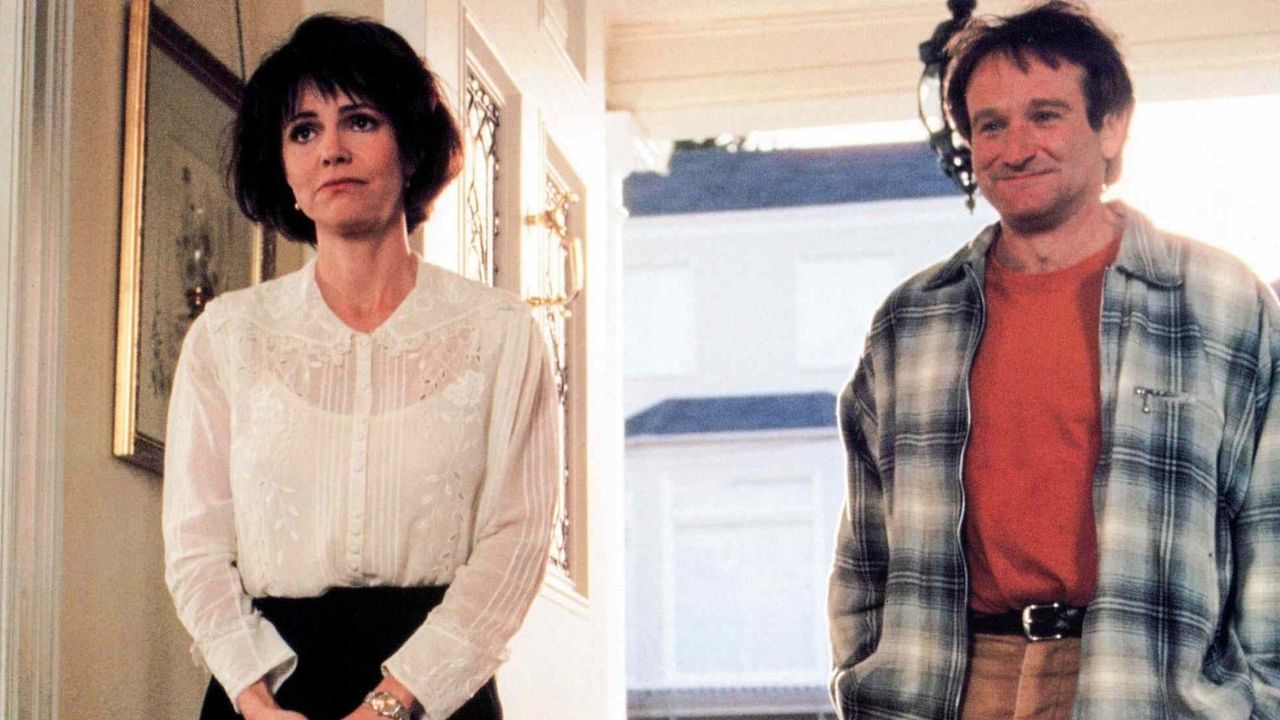
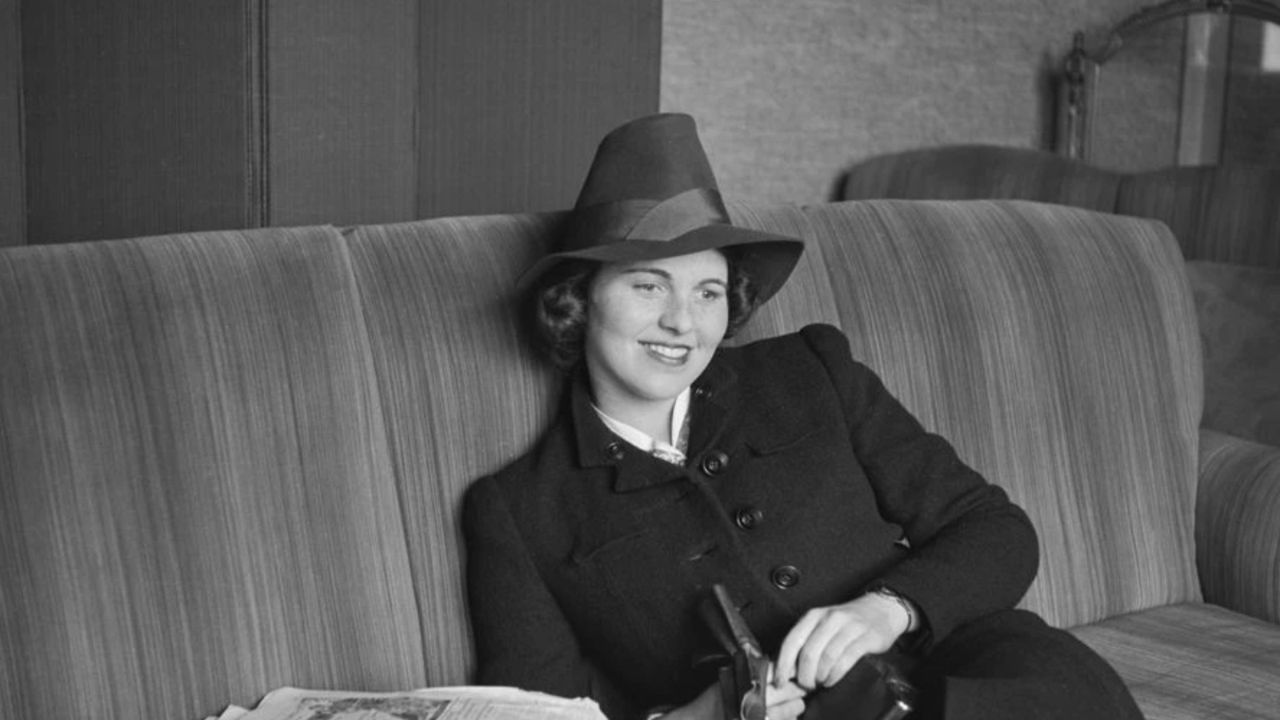
We know the Kennedys as one of the most politically influential American families. They held significant power for decades, but they hid one member from the public eye. It was Rosemary Kennedy whom Sasha Pieterse will portray.
From shame to subsequent acceptance, she underwent trials and tribulations. Pieterse’s psychological thriller will expound on her tragic life. Here’s everything you need to know about the hidden Kennedy daughter.
A Childhood Shrouded In Shame
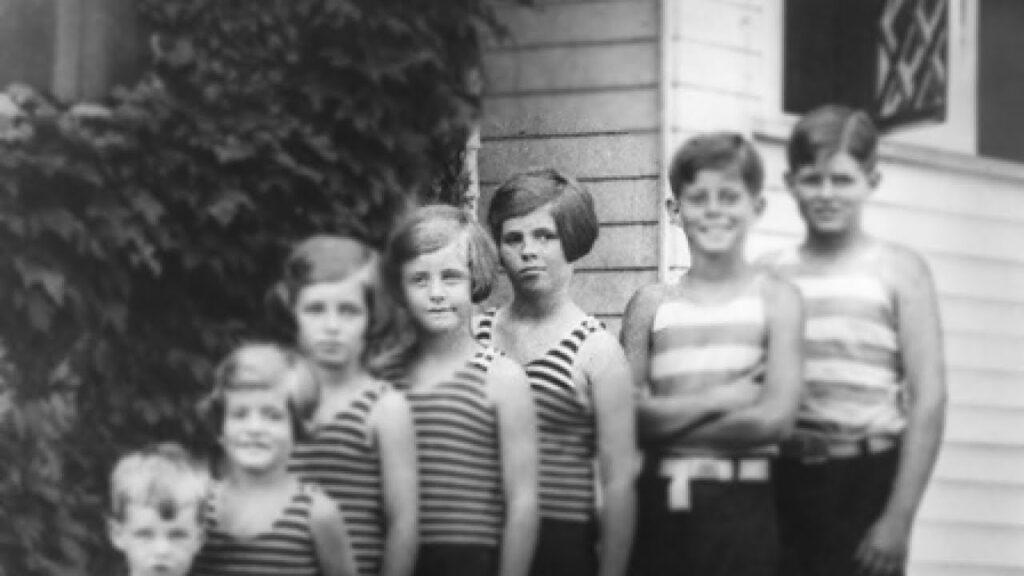
Unlike JFK Jr. and his other siblings, Rosemary’s childhood was shrouded in shame. It was stripped of normalcy right from her birth. She was born with developmental delays that concerned her family.
In the long run, they saw this as a roadblock. She would have trouble sitting and getting up. So they chose to send her to public school, but she had to repeat the grades because of her condition. Her siblings, on the other hand, were doing great considering the normalcy. It also prompted a sense of stigma within Joe and Rose Kennedy.
Because it was the early 1900s, the mental health stigma was a given. It also ruled out any scope of acceptance. Here, too, Rosemary was vehemently pressured to compete with her siblings.
It also frustrated her and affected her mentally. She attended several private boarding schools. But her care and education proved demanding for the elder Kennedys.
She enjoyed dancing, going to social events, attending opera, and shopping. It was also the frequent school shifts that made Rosemary irritable. However, her later years were marked by a horrifying incident.
Adulthood Locked Away In Lobotomy
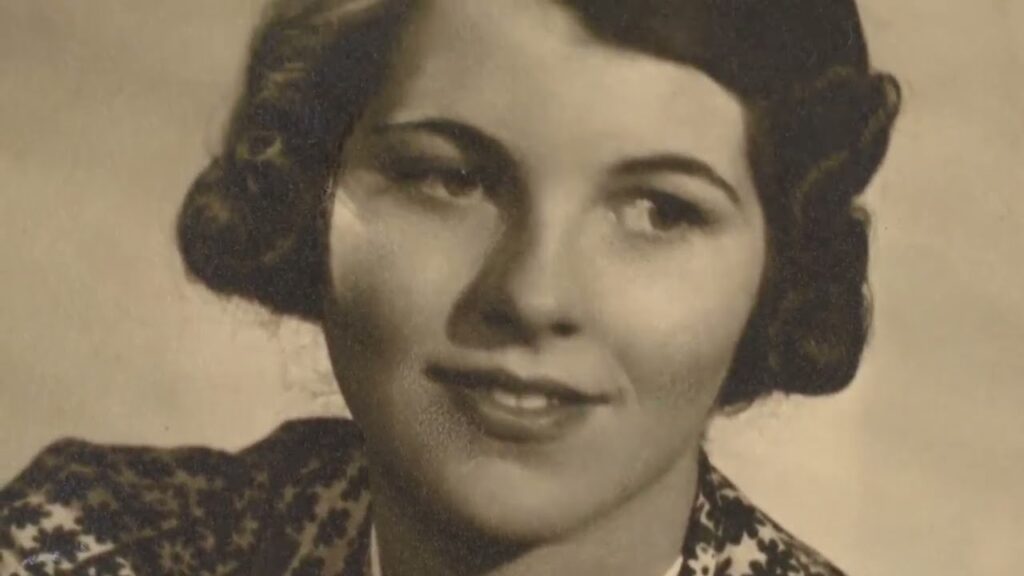
As a young adult, they enrolled Rosemary in a Montessori School in England. The frustrations were ever-present, and they grew volatile. She wished to be as free and liberated as her siblings. So she would often sneak out at night, which was becoming increasingly concerning.
In the year 1940, she returned to the US, as confirmed by Eunice Kennedy. She became moodier and increasingly frustrating. They would even label her as “irritable and difficult” when she was 22. Her constant expulsion from schools became worrisome. She would continue to slip out at night, prompting rumors.
One of these was that she carried venereal diseases. The nuns suggested it, and hence Joe Kennedy stepped in. The fear of social judgment fuelled him to resort to a lobotomy. The doctors viewed the procedure to stop her violent outbursts and mood swings. In 1941, they carried out the procedure without the knowledge of his wife, Rose Kennedy.
He only informed his wife after the surgery was done. It left Rosemary physically debilitated. The surgery also made her unable to walk and rendered her mental state that of a 2-year-old child. It left her in a physically and mentally incapacitated state. Hence, she was ‘locked away’ from the public eye.
Related: Top 10 Shows Like ‘Love Story: John F. Kennedy Jr. and Carolyn Bessette’
Rosemary Kennedy: An Erasure Fuelled By Political Aspirations
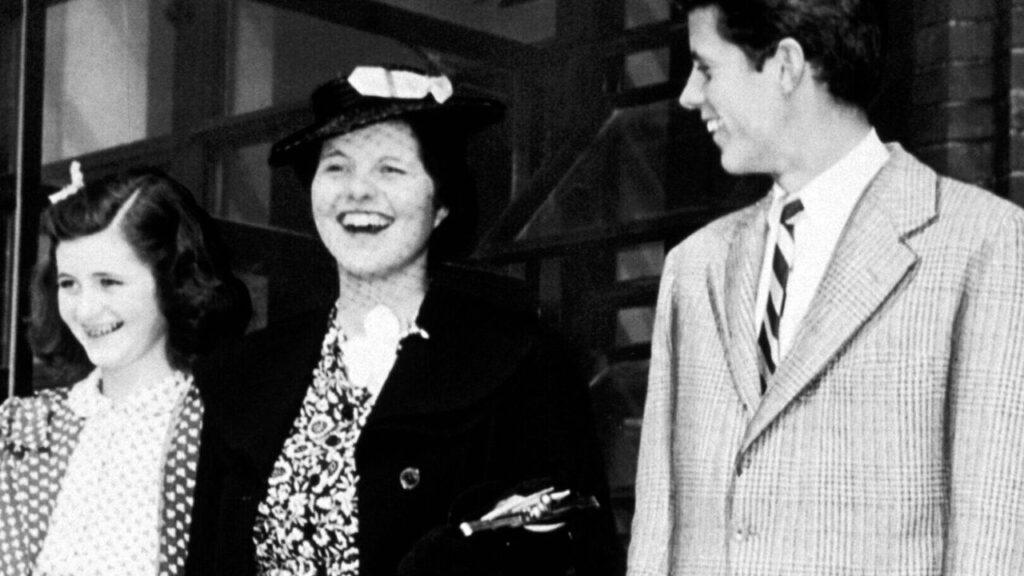
In a true sense, Rosemary’s lobotomy was an erasure of all sorts. Political aspirations fuelled it. The senior Kennedy did not want the family to carry the ‘shame.’
They reduced her to a liability because of her developmental state. It was also after a lobotomy that doctors realized something. That depression and frustration could have prompted her state.
To date, we have analyzed her symptoms as underlying autism. The neurological surgery took away her agency and sense of normalcy. She was institutionalized, and for almost 20 years, none of the Kennedys visited her.
From Craig House to the Kennedy Cottage, they moved her multiple times. It was in 1961 that her condition was made public, shortly after JFK became president.
The family also told John that she was reclusive, hence she stayed away. To the public, they lied about the failed lobotomy, saying she was mentally disabled. In the later stages, however, she was met with acceptance.
How Acceptance Catalyzed Social Change
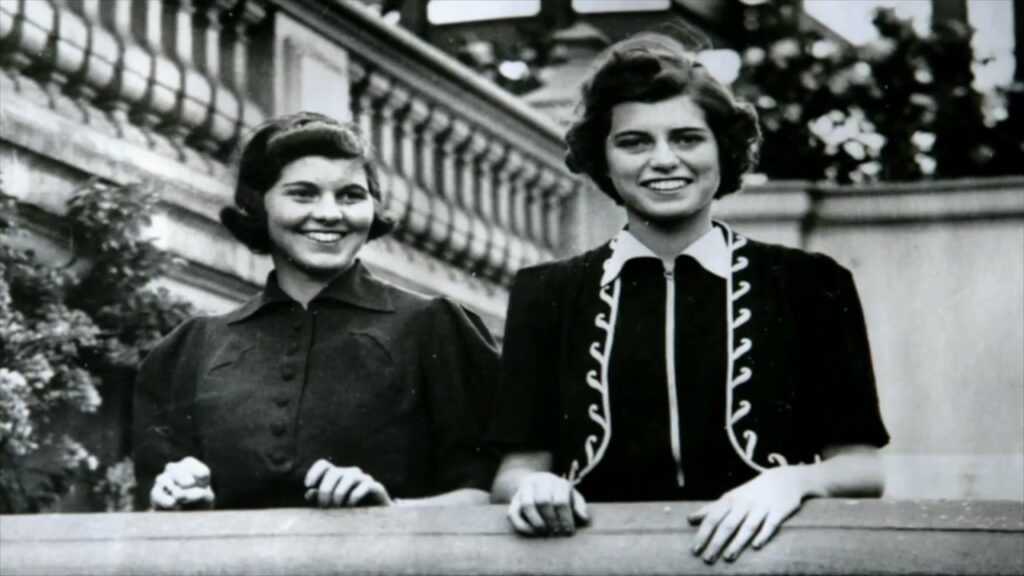
While Rosemary’s parents shamed her, there were exceptions. Her brother John, in her early days, would assist her in school dances. He would help her feel more confident, and it would mask the insecurity.
It would also help her feel a grain of normalcy and hope amidst shame. Eunice carried the same kindness and compassion. When it was made known that Rosemary was lobotomized, she took care of her sister. She included her in social gatherings and made her feel accepted.
You may have missed: Kevin Hart Refuses To Fight His Co-Star Dwayne Johnson Over Hollywood’s Top Spot
As a result, Eunice championed social rights for the disabled community. She created the Shriver Camp in the 1960s. It aided specially abled children to partake in sports.
The space became a playground of hopes and dreams. It was Rosemary’s case that led to the foundation of the Special Olympics. The 1968 one pivoted into a worldwide social movement facilitated by Eunice Shriver.
In 1987, Doris Kearns Goodwin’s book ‘The Fitzgeralds and the Kennedys‘ made Rosemary’s case public knowledge. The upcoming biopic also seeks to dive deep into the case, but from Rosie’s perspective.
Sasha Pieterse: A Portrayal Of Potential And Dreams

Sasha Pieterse’s inclusion in Rosemary’s biopic is refreshing. The actress spoke to Deadline about the project.
“Rosemary’s story has been told in fragments. What drew me to this project is how it explores her as a person, not a symbol, but a fully realized human being with dreams and vulnerabilities.”
Pieterse is popular for her role in ‘Pretty Little Liars.’ She played the charismatic and vindictive Alison DiLaurentis in the series. After that, she starred in various shows and movies. We know her for the mean queen persona, but that’s not it.
Everyone praised her double role in ‘The Image of You.’ It exhibited her range and versatility as an actress. This also applies to her upcoming role in Rosie Kennedy’s biopic. Emanuele Moreti and Nick Medavoy will spearhead this biopic film. Both Medavoy and Pieterse worked on Image of You previously.
The film will navigate Rosemary’s life and position her as an individual. Her hopes, ambitions, and story will be voiced from her perspective. It is based on the All That’s Interesting article ‘Rosemary Kennedy, JFK’s Sister Who Was Lobotomised And Locked Away.’
Rosemary existed as an individual with goals and aspirations. She loved dressing up and venturing into art spaces, and enjoyed the company of others. Her life was brimming with potential and prospects, albeit contrary to the societal norm.
What ultimately ended her dream was the nonconsensual neurosurgery. It killed her dreams and stripped her life of hope. To make it worse, the isolation caused irreversible damage to her dignity. It demonized and diminished her strengths, but there’s hope. The upcoming biopic leaves fans with hope of an accurate portrayal.
You might also like to read: Decoding The Cold War Politics: The Federal Raid On ‘Memories of Underdevelopment’