
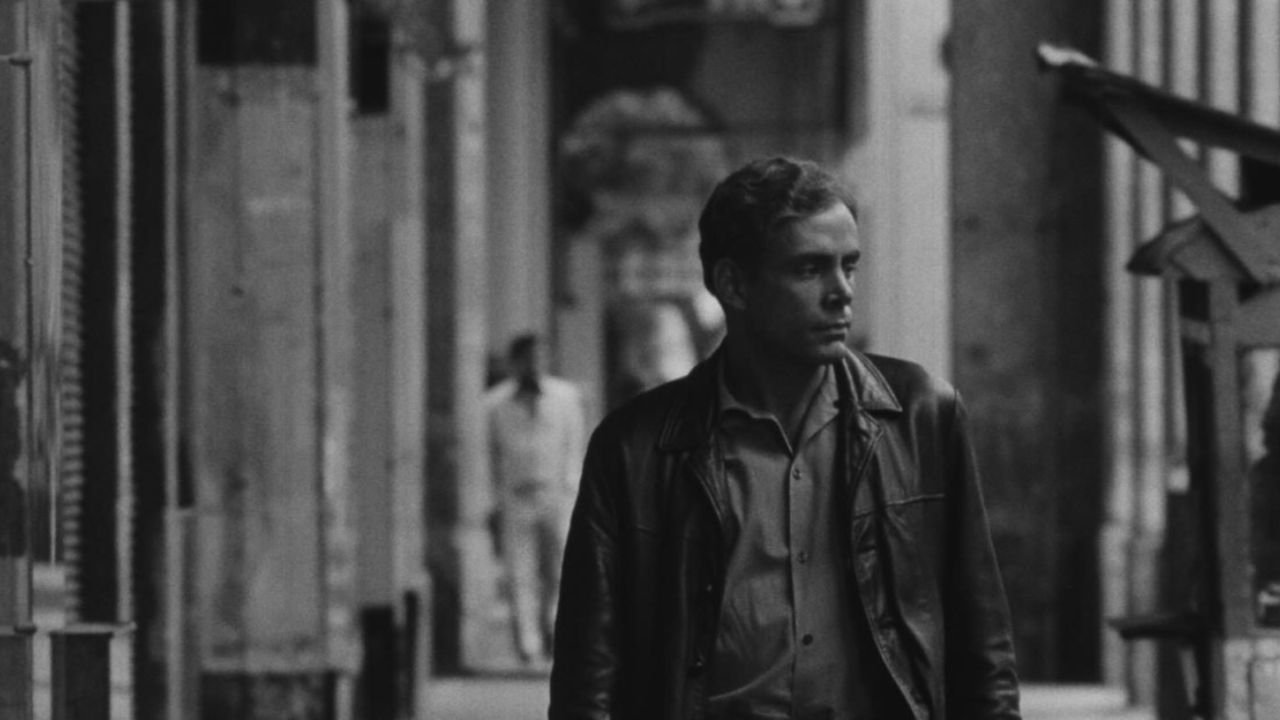
It’s been 58 years since ‘Memories of Underdevelopment,’ a work by the acclaimed director Tomás Gutiérrez Alea, had its premiere at the Pesaro Film Festival in Italy. While European viewers could watch this gem of filmmaking without restrictions, it was only after its arrival in the United States that a full-blown bureaucratic frenzy began.
By the time this 1968 Cuban drama made its way across the Atlantic, it had been transformed into more of a political weapon than an artistic accomplishment. What unfolded next was an incredibly surreal clash between artistry and political paranoia in the age of the Cold War. Let’s dive in to learn how it all played out.
The Celluloid Contraband And the Bureaucratic Crackdown
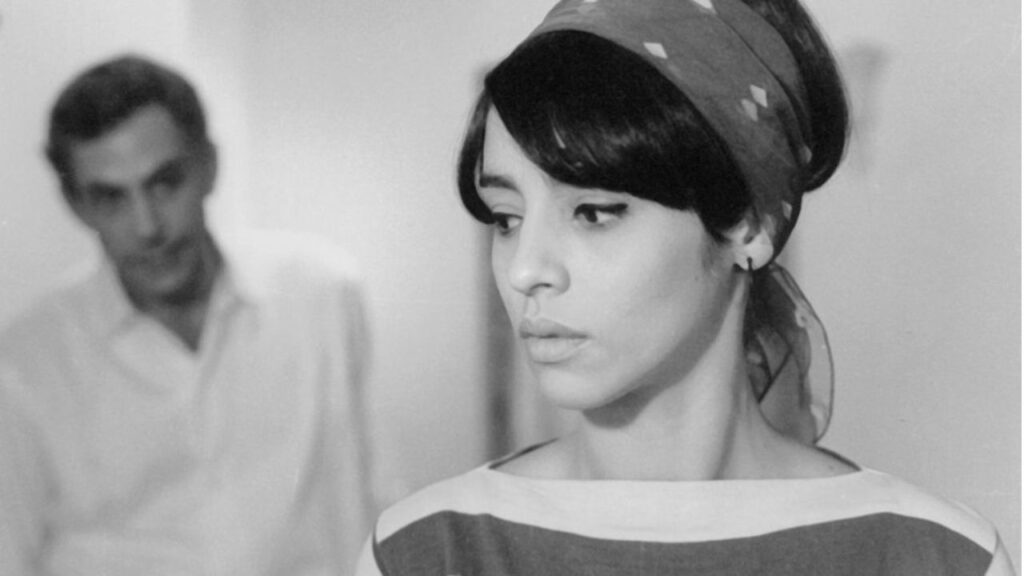
Before being available for public consumption, ‘Memories of Underdevelopment’ first aired as part of the New Directors/New Films series at the Museum of Modern Art and the Film Society of Lincoln Center in New York City. At that point, Americans could not have felt much more rattled because of the ongoing conflict with their arch-nemesis, Cuba.
Related: Why Did Clint Eastwood And Jack Nicholson’s 1994 Film Get Canceled?
The country was a potential nuclear threat, only ninety miles off the coast of Florida. A month after the screening, federal authorities raided the annual spring festival, which stored copies of Alea’s movie. The organization was planning to show it at the New Cuban Film Festival. However, the celluloid contraband leaked into commercial distribution in 1973 at a tiny theater.
And guess what? American critics went gaga. It led to the film’s selection among the award winners of the National Society of Film Critics. Nevertheless, Washington seemed utterly immune to any form of artistic achievement. The U.S. State Department categorically refused the visa to Alea, who wished to receive the honor.
The body also declined an accompanying visa to the director of the National Film Institute of Cuba, Saul Yelin, who wanted to interpret for Alea. Meanwhile, Hollis Alpert, the chairman of the critics’ association, mentioned a chilling threat from a Treasury official in the U.S. government.
He warned that the award acceptance by anybody in Alea’s name would be tantamount to violating the Trading with the Enemy Act of 1917. Andrew Sarris, the critic who attended the awards ceremony, then stepped up to defend the absent director. He addressed the attendees and praised Alea for being a heroic dissident standing up to the power of narratives on both sides of the Florida Strait.
Alea’s Masterpiece Amid The Trench Coat Diplomacy
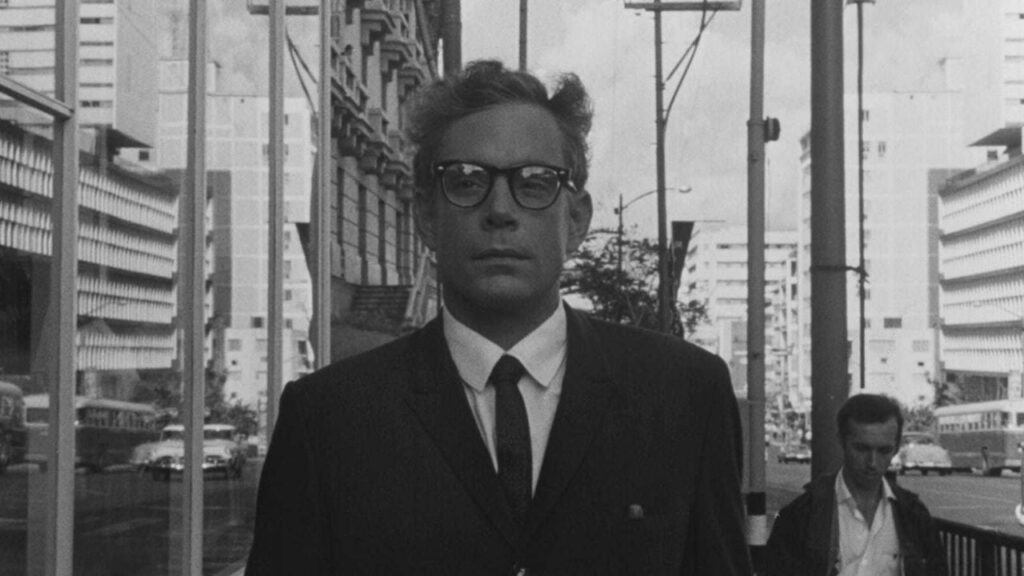
While the Washington administration perceived this film as a work of communism, the movie itself tells a much more bizarre story. It introduces the viewer to Sergio, a bourgeois writer residing comfortably in early-1960s Havana. Alea didn’t depict Fidel Castro’s uprising against Fulgencio Batista on a large scale.
In case you missed it: Bill Murray’s Ego And On-Set Fight With Lucy Liu Cost Him A Massive Blockbuster Franchise
Instead, he narrowed the scope of his story to focus on an intellectual observer of the events unfolding in Cuba. Sergio looks down from above on the city where he lives, saying the buildings are like cardboard. By doing so, the character reduced such dramatic geopolitical events as the Cuban Missile Crisis to nothing more than ephemeral newspaper headlines.
Sergio’s class privilege provides him with a perfect shelter from everything happening around him. When he faces an assault accusation against a minor girl named Elena, he successfully evades incarceration despite her family being in a rage. Furthermore, the director’s attitude towards the protagonist seemed quite regressive. Sergio views people, particularly women, as sources of personal profit and pleasure.
However, by juxtaposing these images of capitalist exploitation with Alea’s filming of Fidel Castro issuing ultimatums about the unconditional support of the revolution, a brilliant ambiguity in politics arises. It should come as no surprise that the film garnered more appreciation outside of Cuba. Domestic critics viewed it as a portrayal of obsolete thoughts failing to cope with the revolutionary spirit.
You might also like to read: Why Alec Guinness Thought George Lucas’s Original ‘Star Wars’ Script Had “Ropey” Dialogue