
In TV history, people take creative risks. But then there’s walking away from a cheque with more zeros than most people make in a lifetime. Just weeks after the haunting final episode of ‘Breaking Bad‘ aired, word spread that the show’s creator, Vince Gilligan, had done exactly that.
Jeffrey Katzenberg, the billionaire CEO of DreamWorks Animation and a self-described “nut” for the show, said publicly at a conference in Cannes that he had offered Gilligan $75 million to make just three more episodes.
When $75 Million Was Offered For Three More ‘Breaking Bad’ Episodes
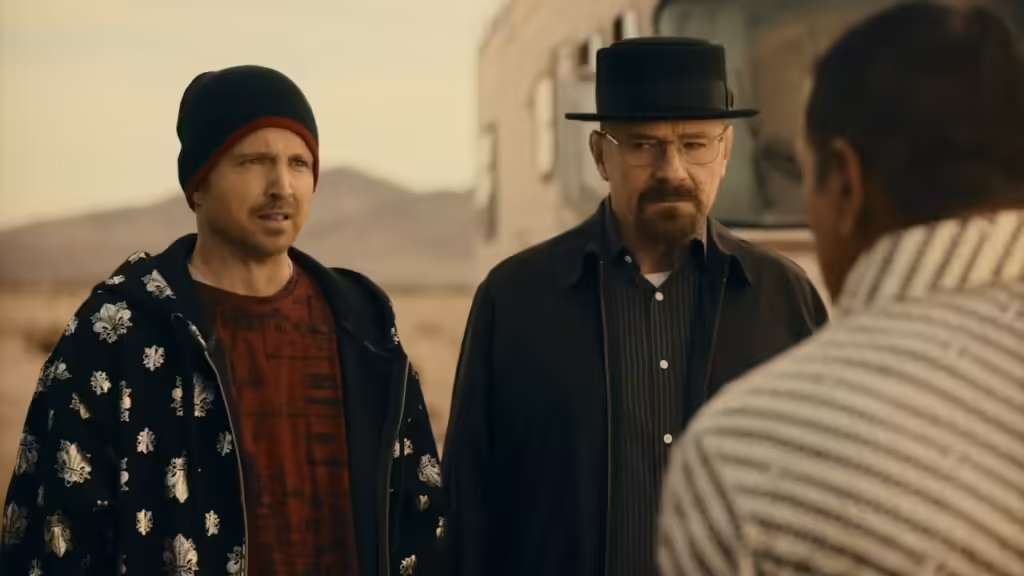
This wasn’t just a fan’s dream; Katzenberg saw it as a real business move. He wanted to create a big digital event, skipping regular TV channels and releasing the new episodes online only through a pay-per-view model.
“I had this crazy idea,” Katzenberg told the crowd. He admitted he didn’t even know how Walter White’s story ended when he made the pitch six weeks earlier.
Related: The Real Reason Walter White Became Heisenberg Changes How Fans See ‘Breaking Bad’
The money behind the offer was wild. Back then, a ‘Breaking Bad‘ episode cost about $3.5 million to produce. Katzenberg’s plan would have set a roughly $25 million per episode budget, which is a nearly 700% markup. “So they would make more profit from these three shows than they made from five years of the entire series,” he explained.
The idea was bold: shoot 180 minutes of story, divide it into six-minute pieces, and release one piece each day for 30 days. Viewers would pay between 50 and 99 cents per segment. “I said to them, ‘I’m going to create the greatest pay-per-view television event for scripted programming anybody’s ever done,’” Katzenberg added.
The ‘Breaking Bad’ Finale Joke That Explained Everything
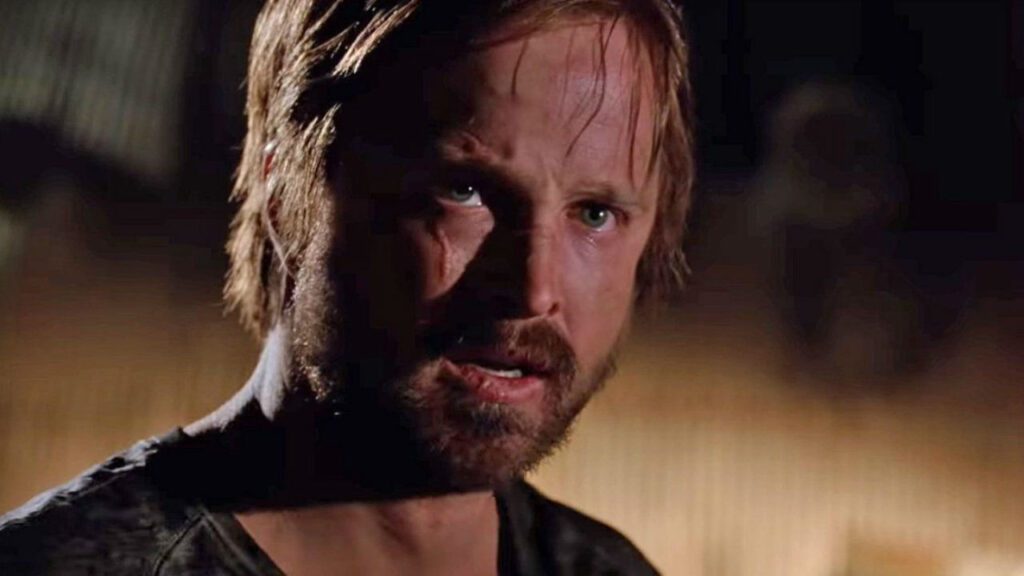
But even with all that money, the ‘Breaking Bad‘ team turned him down flat. At first, Katzenberg didn’t get it. He said the meeting ended with everyone laughing, and he told them, “Sorry, I missed the joke here. I don’t know why you’re all laughing.”
In case you missed it: ‘Breaking Bad’ Alternate Ending Reveals ‘Malcolm in the Middle’ Dream Twist Fans Still Love
The creators, led by Gilligan, gave him a strange answer that only made sense after the final episode aired. “They said, ‘Sorry, we can’t tell you, but it will reveal itself to you why this isn’t going to work out for us.’”
When the finale aired, with Walter White dead on the floor of a meth lab and Jesse Pinkman driving toward an unknown future, the joke became clear: there was nowhere left to go. The story was finished.
Art Shut Down Hollywood Money
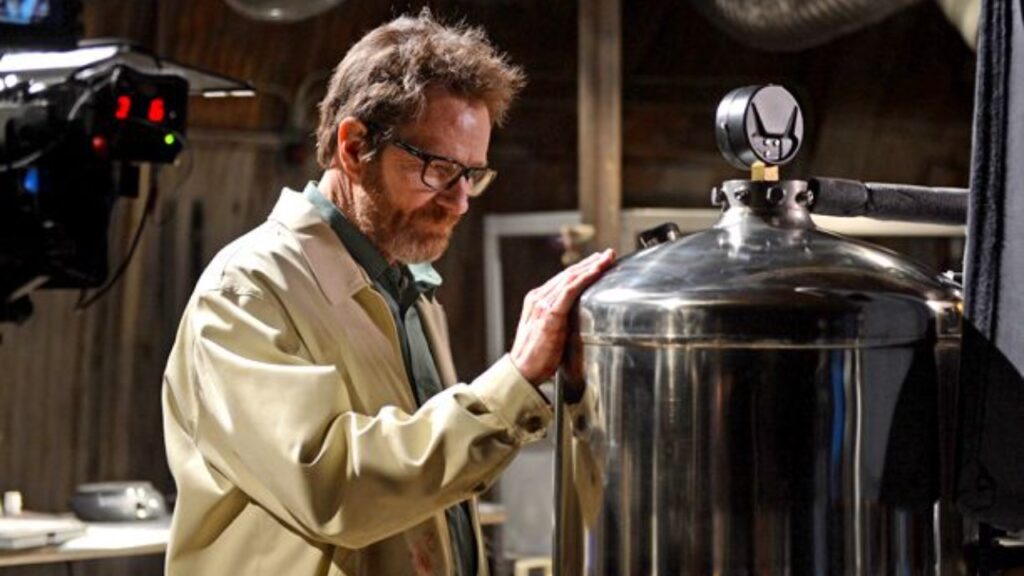
Fans might have wanted more of Bryan Cranston’s character, but Gilligan stuck to his guns. Katzenberg later admitted he hadn’t known the ending when he made the offer. Once he saw it, he understood why they said no.
“We had a very definitive beginning, middle, and end,” the creative team always said. They believed a story shouldn’t be dragged out just for money.
Even though the deal fell through, Katzenberg used the failed bid as a warning to Hollywood about where digital content was headed. “I share the story with you only to tell you that I have the courage of my convictions in this,” he said, pushing for high-quality, short-form mobile entertainment.
But for fans of the crystal blue persuasion, the story remains a legend of what didn’t happen: the day the entertainment industry threw its wallet at art, and art said “no.”
You might also want to read: ‘Breaking Bad’ Star Bryan Cranston Finally Says What Fans Got Wrong About Its Most Hated Character