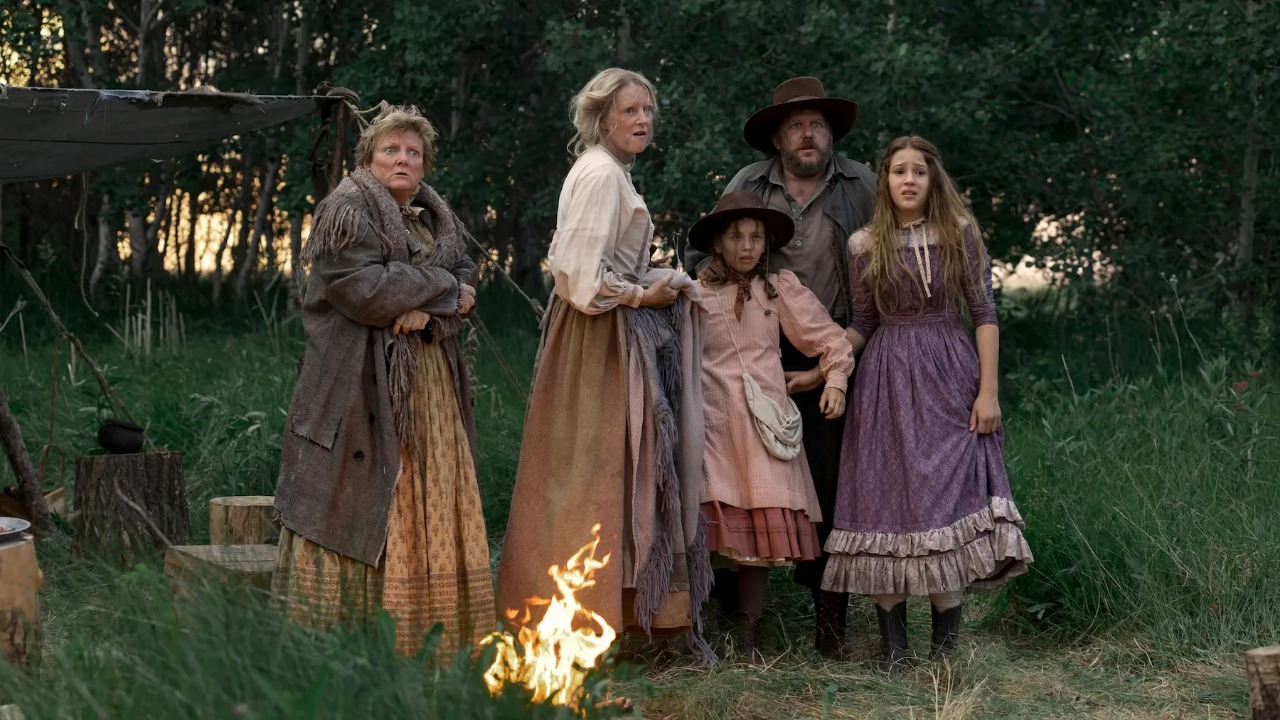
Netflix’s new ‘Little House on the Prairie‘ has introduced a new generation to Laura Ingalls Wilder‘s famous frontier story. But behind the heartwarming image of family life lies a much darker reality.
Wilder’s real childhood was filled with violence, hardship, tragedy, and controversial events that she left out of her beloved children’s books. Those hidden stories reveal a far different version of life on the American frontier.
The Real Life That Laura Ingalls Wilder Didn’t Put In Her Books
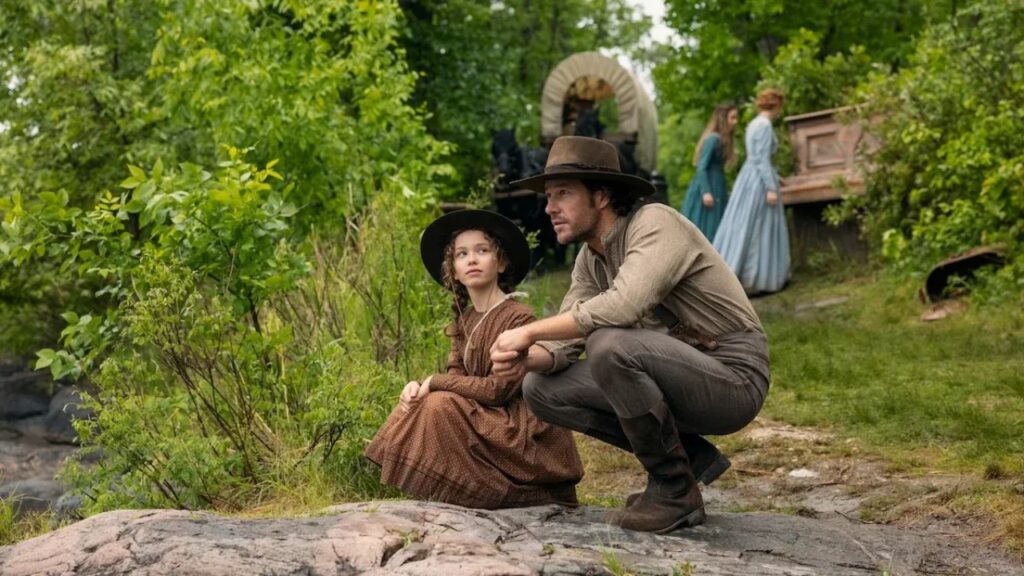
Laura Ingalls Wilder built her Little House series around her childhood memories, but she softened many of the darkest parts of her life before turning them into stories for children. Born in Wisconsin in 1867, she spent years moving with her family across the American frontier as they searched for land and a better future.
Related: Netflix’s ‘Little House on the Prairie’ Under Fire in Woke Slamming Debate Ahead of Season 2
Along the way, they faced failed harvests, prairie fires, deadly winters, and financial struggles. Years later, Wilder married Almanzo Wilder and faced even more hardships, including losing their first home in a fire, falling into debt, and battling serious illness.
She did not begin writing the Little House books until she was in her sixties, after her daughter, Rose Wilder Lane, encouraged her to turn her memories into children’s fiction. The result became one of America’s best-loved book series, but many painful experiences never appeared in its pages.
The Disturbing Stories That Were Left Behind From ‘Little House on the Prairie’
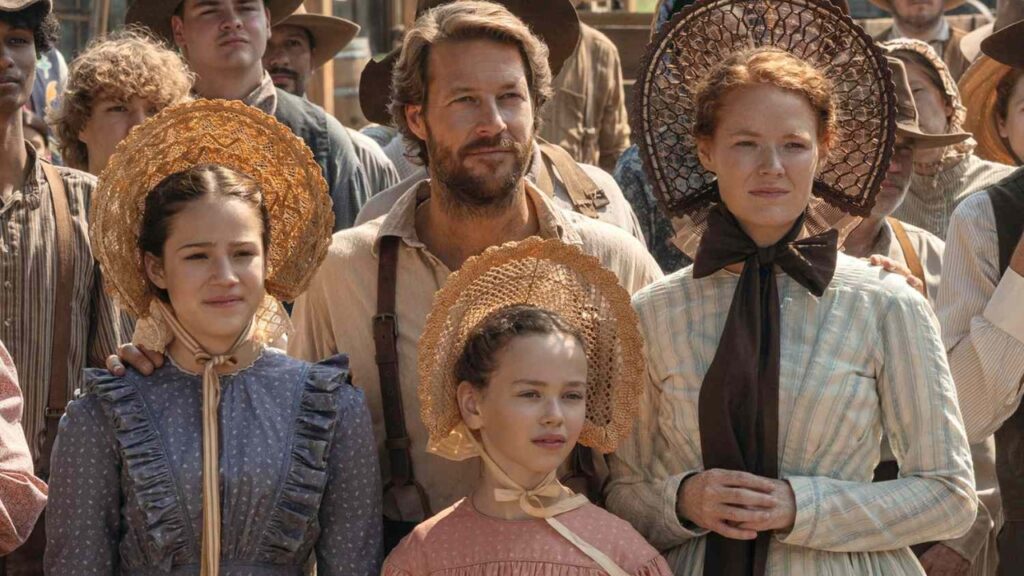
Before writing the children’s books, Wilder completed a memoir called Pioneer Girl after the 1929 stock market crash damaged the family’s finances. The manuscript was rejected, and Rose Wilder Lane persuaded her to rewrite it for younger readers. Rose also heavily edited the books. It led some scholars to question how much of the finished series reflected Laura’s own voice.
The original memoir contained scenes that were far too disturbing for children’s literature. Wilder described seeing a drunken man accidentally burn to death after lighting a cigar. She also recalled witnessing a shopkeeper drag his wife by the hair before pouring kerosene around their home. In another memoir published after her death, Wilder remembered childless neighbors, the Boasts. They offered their finest horse in exchange for her baby daughter, Rose.
In case you missed it: Willa Dunn Joins Netflix’s Little ‘House on the Prairie’ Cast As Iconic Rival
Even her father was portrayed more kindly in the novels than he was in real life. Biographer Caroline Fraser explained, “When you look at Charles Ingalls’s actual life, there were a lot of struggles, debts, even a kind of aimless quality. And she left all of that out [of Little House on the Prairie].” Wilder also wrote about Charles secretly taking the family away in the middle of the night after failing to settle a rent dispute. Despite those flaws, she still remembered him as a loving father and a gifted fiddle player.
The Hidden Controversies Behind The Little House Story
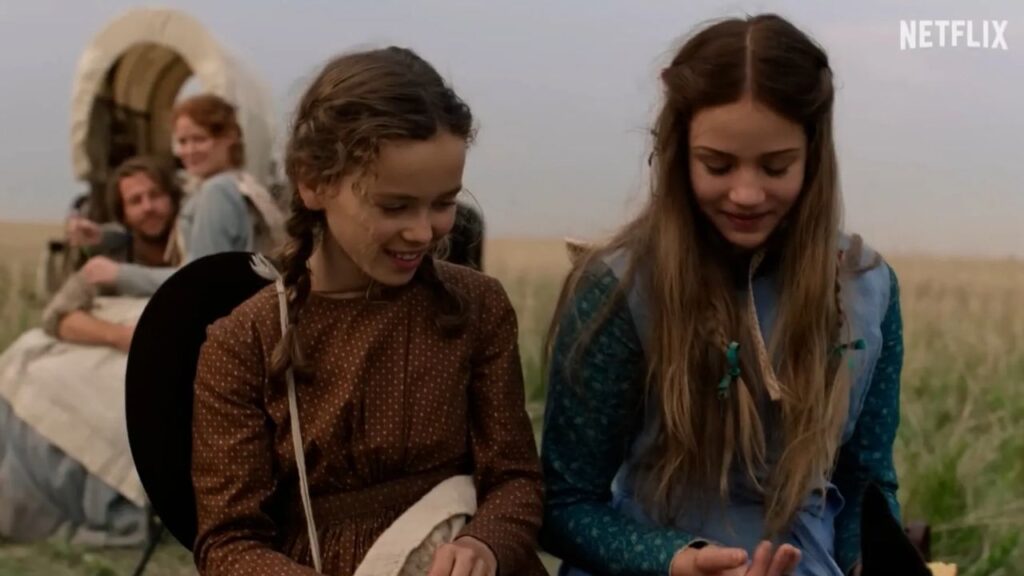
The real story behind ‘Little House on the Prairie‘ also includes claims and controversies that remain debated today. Fraser revealed that Wilder once claimed her father helped track down the infamous “Bloody Benders,” a family of serial killers who terrorized the Great Plains. Fraser dismissed the story, saying, “The Benders were real, but her father’s exploits weren’t. It’s interesting because Wilder would insist that her books were ‘all true.’“
Another difficult chapter involved the Ingalls family’s move to Kansas, where they settled on land belonging to the Osage Nation. The family lived with fears of conflict as tensions grew between settlers and the Osage people. They were eventually forced from their land. Wilder later changed a controversial line in ‘Little House on the Prairie‘ from “no people, only Indians” to “no settlers, only Indians” after recognizing its insensitivity.
Questions about Wilder’s views on Native Americans continue today. Political theorist Prof Noah Stengl argued that only two Native American characters speak throughout the Little House novels. “The implication would seem to be that while the settlers in the Little House novels are grateful for Indigenous aid. Wilder believes their existence is not worth taking seriously on an increasingly white frontier.”
Biographer Pamela Smith Hill has said many members of the Osage Nation still criticize Wilder’s work. At the same time, Caroline Fraser pointed to another remark from Wilder herself. She said, “If I had been the Indians I would have scalped more white folks before I ever would have left it.”
These forgotten stories show that the real history behind ‘Little House on the Prairie‘ was far more complex and unsettling than the version generations of readers came to know.
You might also like to read: Addictive New Crime Thriller Just Broke Every Netflix 2026 Premiere Record