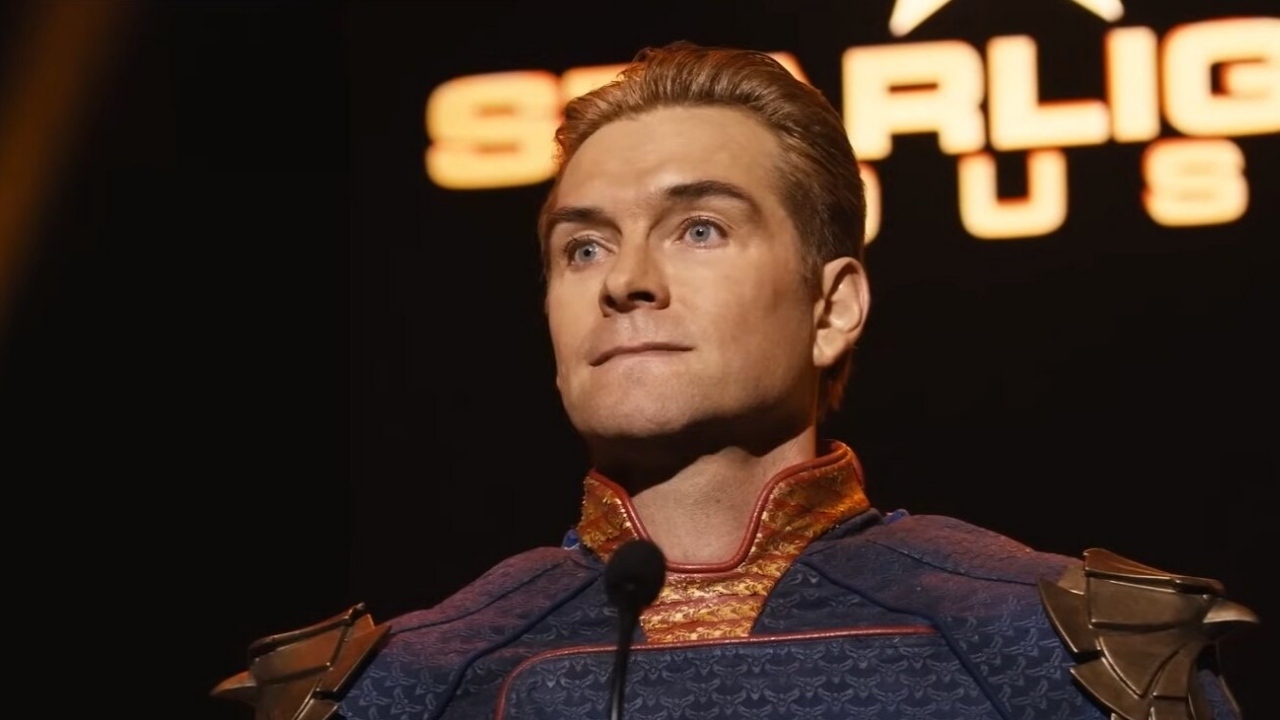
With ‘The Boys‘ Season 5 heading into its final stretch, the endgame for Supes and the Resistance is finally coming into focus. And at the center of it all stands Homelander, who is now more unstable, more powerful, and more convinced than ever that he’s untouchable.
But the irony is hard to miss: the man who believes he’s invincible may already be laying the groundwork for his own downfall. Yeah, Homelander’s kryptonite is finally catching up with him: shame.
A God Complex Built on Cracks Is Set To Shatter ‘The Boys’ Season 5
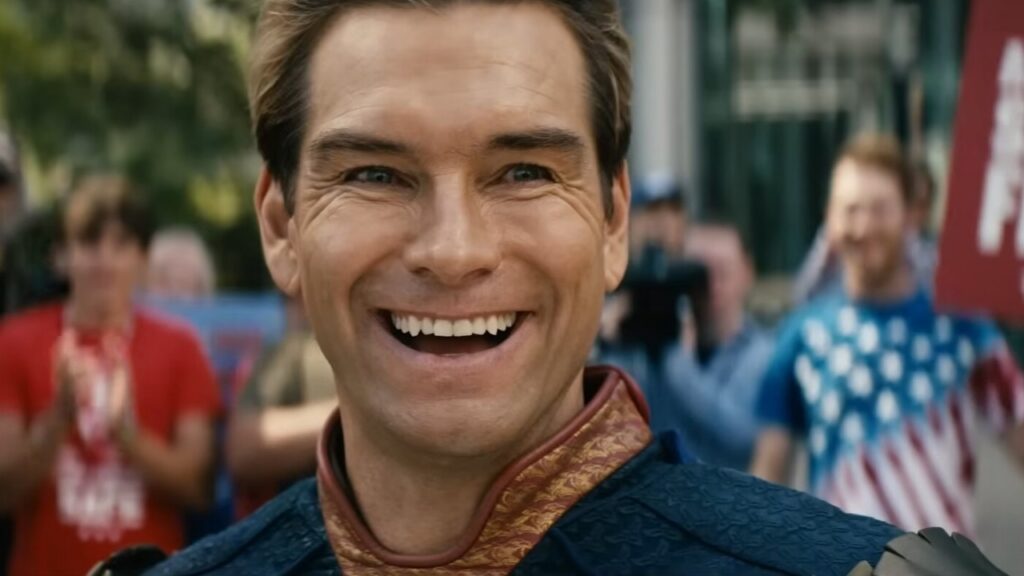
Homelander’s evolution across the series has turned him into something far more dangerous than a traditional villain. He is a fascist icon wrapped in celebrity worship. Publicly, he is Vought’s perfect weapon. Privately, he is a man shaped by emotional starvation, manipulation, and an obsessive need for validation.
His fixation on parental figures (most notably his disturbing dependency on Madelyn Stillwell in Season 1) reveals the emotional vacuum beneath the mask. Even his cruelty isn’t just ideological; it’s personal, reactive, and deeply insecure. That contradiction is key: Homelander doesn’t just want control. He needs reassurance that he deserves it.
Related: The Real Reason Black Noir Feels “Off” In ‘The Boys’ Season 5
As the seasons progress, Homelander’s isolation only sharpens his worst impulses. The more untouchable he becomes, the less accountable he is to anyone, and the more distorted his sense of morality grows.
By Season 4, that delusion has fully matured. Public violence, political positioning, and emotional detachment all feed into the same belief: that he is not just above consequences, but above humanity itself.
Season 5 escalates that trajectory. With Homelander effectively positioning himself as a divine authority over America, his decisions become less strategic and more impulsive, all driven by ego rather than control. And that’s where the cracks widen.
The Enemy Isn’t Just Outside, It’s Built Into the System
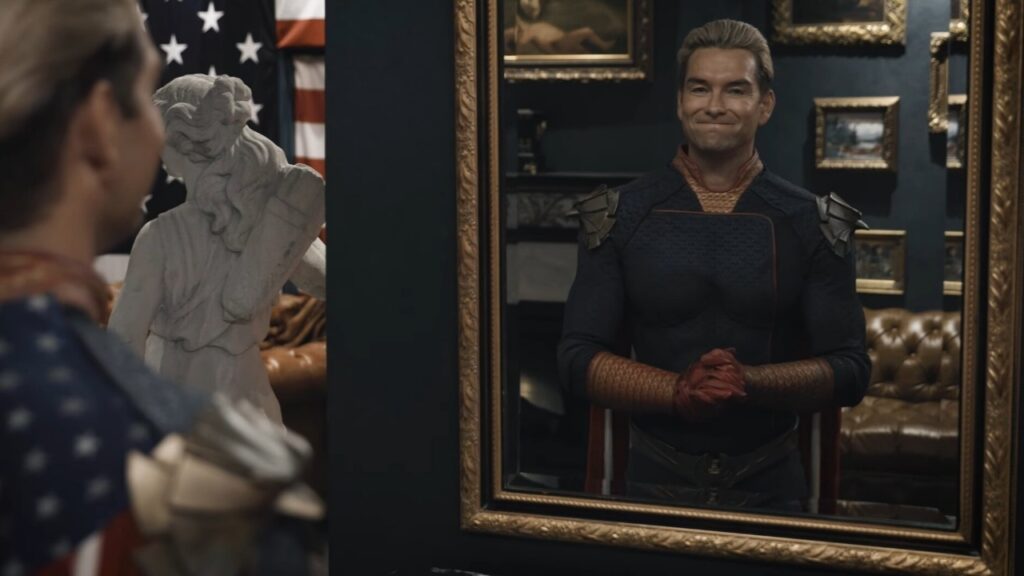
What makes Homelander’s arc compelling is that his downfall doesn’t rely on a single opponent. It’s being engineered from multiple directions. Billy Butcher’s deteriorating condition and unstable new abilities push him further into extremes, making him both a threat and a wildcard. Meanwhile, Hughie, Starlight, and the remaining rebel troupe continue to expose the moral rot of Homelander’s regime from within.
Even Vought itself becomes a factor. The corporation that created Homelander may eventually decide he’s too unpredictable to control, especially with escalating threats like the experimental supe virus introduced in Season 4.
In case you missed it: 10 Best ‘The Boys’ Comic Characters Ranked
And then there’s the wildcard element: the wider ‘Gen V’ universe, which hints at a growing instability in the supe ecosystem that could reshape everything. What makes Homelander’s arc feel inevitable isn’t just that people are trying to stop him; it’s that he can’t stop himself.
Every escalation, every display of dominance, every refusal to see himself clearly pushes him closer to collapse. He doesn’t just face enemies; he manufactures them. He doesn’t just provoke resistance; he accelerates it.
And in true ‘The Boys‘ fashion, the final season isn’t just setting up a battle between good and evil, it’s setting up the implosion of a man who believed he was a god. Homelander’s end may not come from defeat. It may come from realization—too late, and entirely on his own terms.
You might also like to read: Why ‘The Boys’ Spinoff ‘Diabolical’ Never Got The Chance To Explode