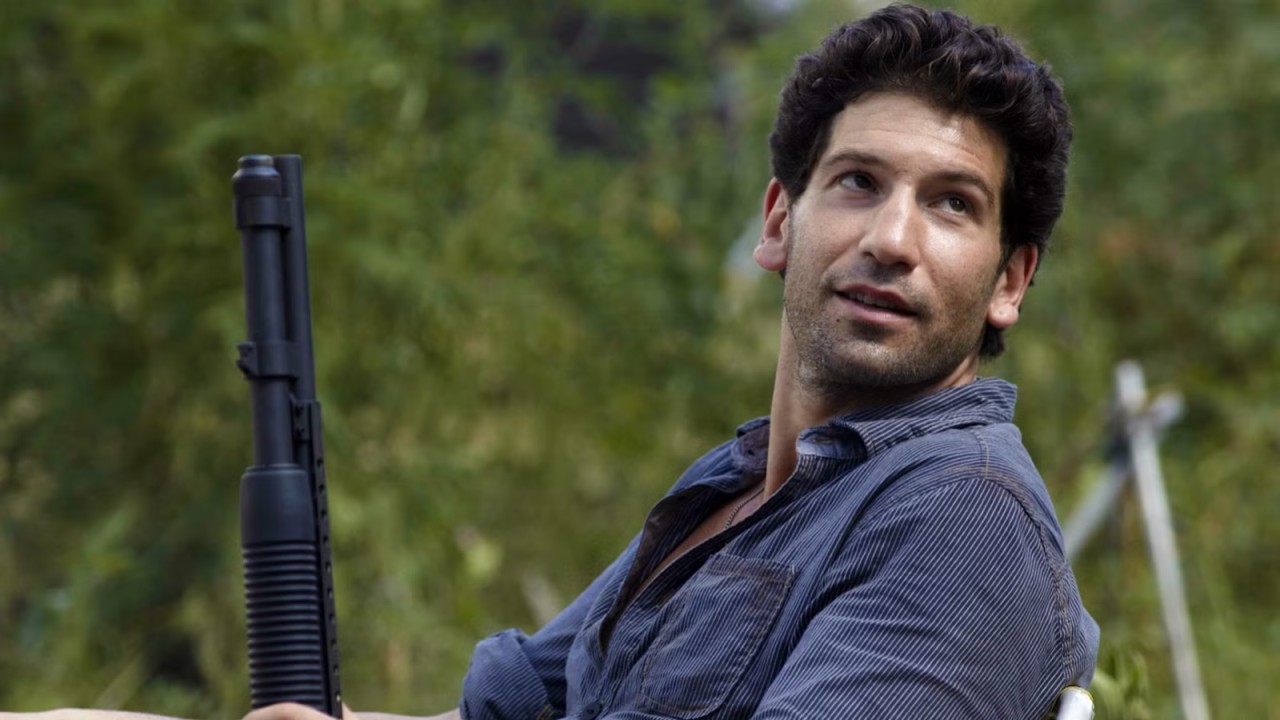
Few characters benefited more from ‘The Walking Dead’ television adaptation than Shane Walsh. Played by Jon Bernthal, Rick Grimes‘ former partner evolved into one of the show’s most fascinating and unpredictable figures, becoming a central part of the series during its first two seasons.
What makes that success even more surprising is how little source material existed for the character. In Robert Kirkman’s original comic series, Shane’s story ends remarkably early. The television writers saw far more potential in the character’s growing rivalry with Rick, and that decision ultimately produced one of the franchise’s strongest arcs.
Shane’s Comic Book Story Was Surprisingly Short
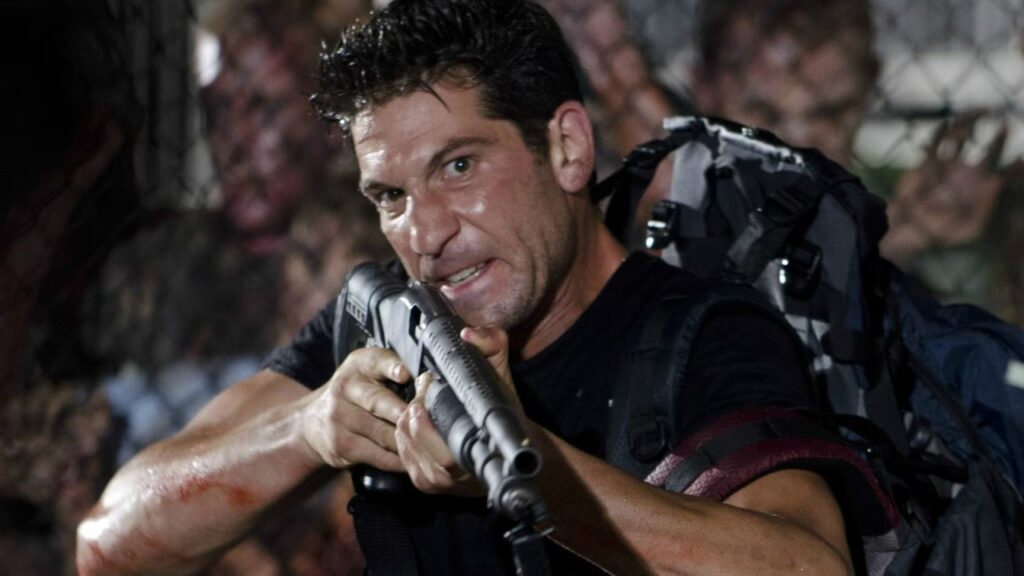
Shane’s role in Kirkman’s comic series was never intended to be a long-running storyline. His purpose was to serve as an early obstacle in Rick’s journey and to demonstrate how quickly the apocalypse could destroy relationships.
After Rick reunites with Lori and Carl outside Atlanta, Shane struggles to accept the new reality. He had stepped into the role of protector while believing Rick was dead, and Rick’s return leaves him increasingly bitter and resentful.
Related: ‘The Walking Dead’ Characters Who Must Return For The Final Season Of Daryl Dixon
That tension escalates rapidly over just a few issues. Shane becomes consumed by jealousy and eventually decides that Rick is the only thing standing between him and the life he wants. The conflict reaches its breaking point when Shane lures Rick into the woods and attempts to kill him.
Before he can carry out his plan, Carl intervenes and shoots Shane in the neck. The entire storyline is over by Issue #6, making it one of the earliest major character deaths in the comic’s history.
Kirkman later described Shane’s arc as a quick “wham, bam, thank you ma’am” storyline. It accomplished its purpose, but it wasn’t designed to be much more than a catalyst for Rick’s development.
‘The Walking Dead’ Series Chose A Much Slower Approach
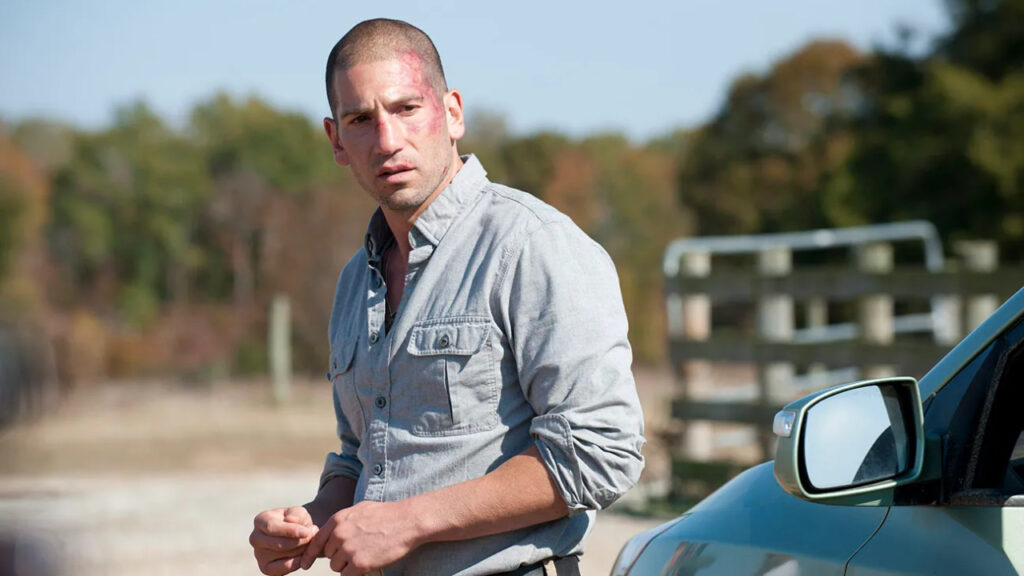
When Frank Darabont began developing ‘The Walking Dead’ for AMC, the original plan reportedly involved following the comics more closely. Shane’s death was initially expected to happen much earlier in the show’s run.
That changed once AMC ordered a shortened six-episode first season. Darabont and the writers realized they didn’t have enough time to properly explore the emotional fallout surrounding Shane, Rick, and Lori’s complicated situation.
In Case You Missed It: “It Hits Way Different This Time”: Norman Reedus Says Goodbye to Daryl Dixon After 16 Years in ‘The Walking Dead’ Universe
Rather than rushing toward the character’s death, they pushed it into the second season and built an entire narrative around his gradual unraveling. The decision gave the series room to develop Shane as something more than a jealous former friend.
The farm storyline proved especially important. It allowed the writers to explore how differently Shane and Rick viewed the apocalypse. While Rick continued trying to preserve some sense of morality and order, Shane adapted to the new world much faster and became increasingly ruthless.
That difference in philosophy made their conflict far more compelling than a simple love triangle. By the end of Season 2, Shane wasn’t just competing with Rick for Lori’s affection. He genuinely believed Rick lacked the instincts necessary to keep the group alive.
Jon Bernthal Turned Shane Into One Of The Show’s Best Characters
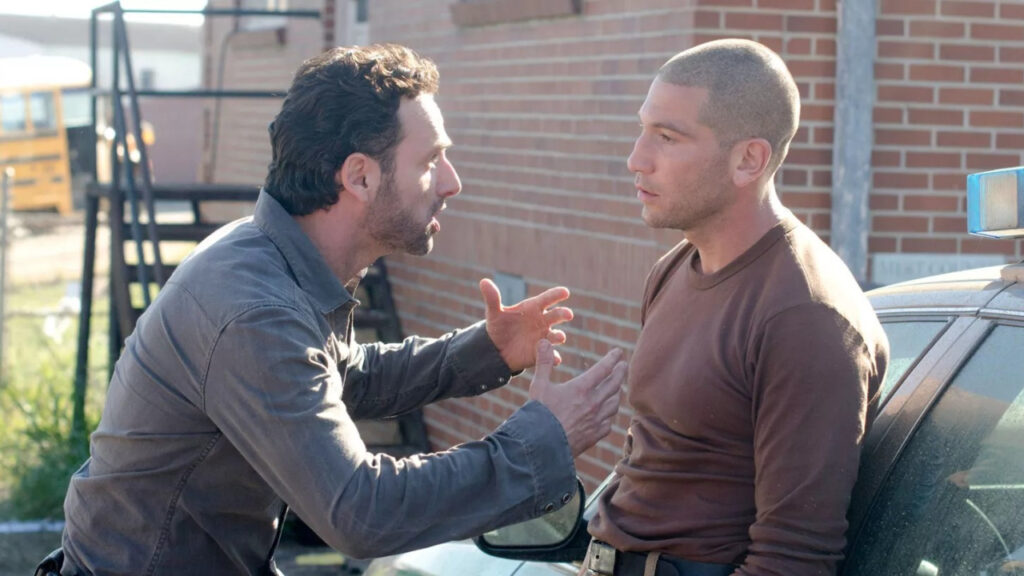
The expanded storyline would not have worked without Bernthal’s performance. Throughout the first two seasons, he managed to make Shane intimidating, sympathetic, frustrating, and tragic all at once. Even when the character made terrible decisions, viewers could understand how he arrived at them.
Moments such as Shane sacrificing Otis during a walker attack highlighted the growing divide between him and the rest of the group. To Shane, survival justified almost any action. To Rick, there still had to be limits. That ideological clash became one of the driving forces behind the series.
Because the writers gave Shane more time, they were able to explore his psychological decline in much greater detail. His paranoia, anger, and desperation didn’t appear overnight. They built gradually across two seasons, making his eventual downfall feel inevitable rather than sudden.
The storyline finally reached its conclusion in the Season 2 finale, ‘Better Angels’. Instead of repeating the comic exactly, the show altered the confrontation. Rick was forced to kill Shane himself, stabbing his former best friend before Carl later put down the reanimated walker version of Shane.
The change gave the moment even greater emotional weight. By extending a character who originally lasted only a handful of comic issues, ‘The Walking Dead’ created one of its most memorable antagonists and delivered a storyline that many fans still consider one of the show’s finest achievements.
You Might Also Want To Read: ‘Game of Thrones’ Actress Hannah Murray Says Cult Leader Claimed She Was ‘Possessed by a Demon’