Be it ‘My Neighbor Totoro’ or ‘Spirited Away,’ Studio Ghibli proved its knack for bringing serene landscapes and bucolic visuals to life. Both these films have a soothing charm and often spark joy and wonder in the audience. There is, however, a film that broke free from this creative convention and offered something deeply dystopian.
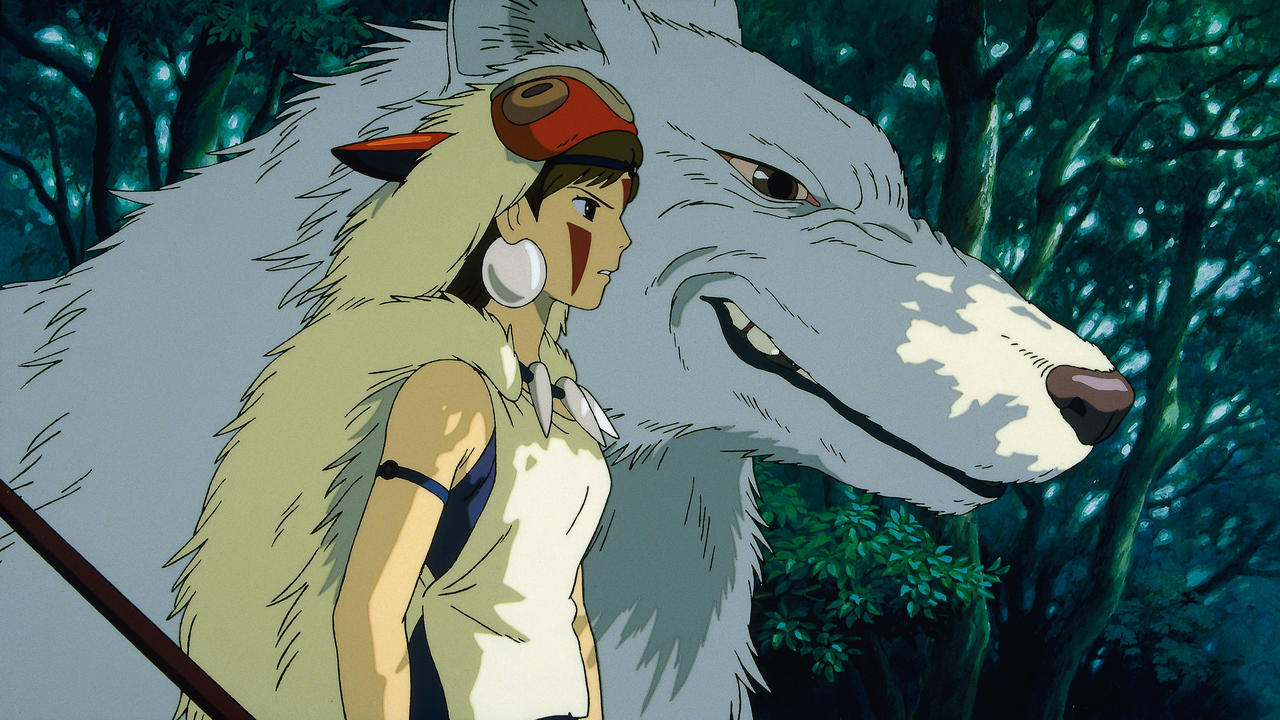
The film in question is ‘Princess Mononoke,’ which changed everything for the studio. The movie wasn’t born out of a tranquil space but real-life instances. It drew inspiration from the political unrest that ultimately shook its creative soul. However, it also dismantled the binary associated with good versus evil, and here’s why it’s all too important.
The Inspiration That Catalyzed Studio Ghibli’s Creative Shift
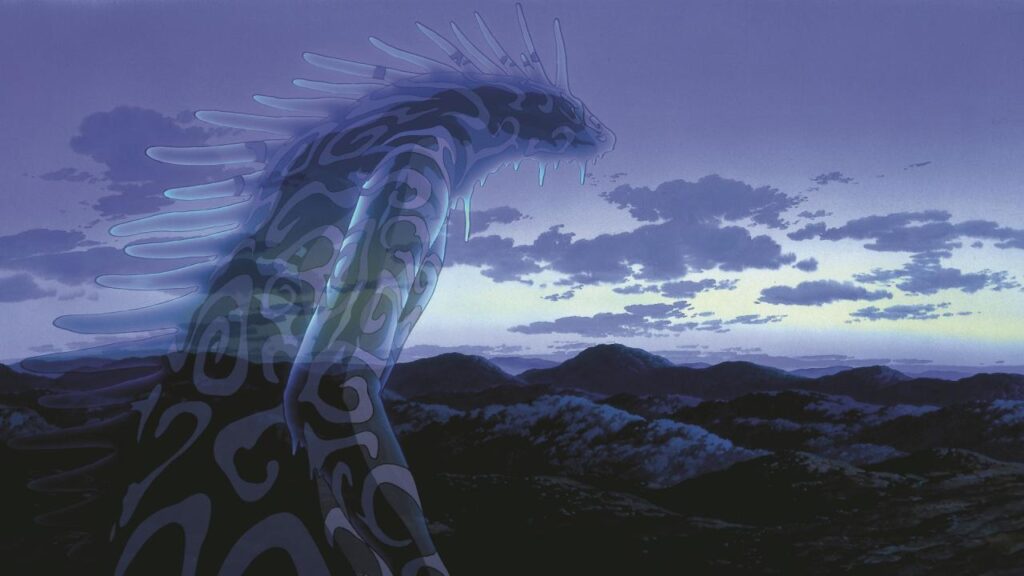
Hayao Miyazaki is often considered an auteur and a creative genius for many reasons. He carved a beautiful and wondrous landscape for children and adults through his impeccable storytelling. This holds for movies such as ‘My Neighbor Totoro,’ ‘Howl’s Moving Castle,’ and ‘Spirited Away.’ These projects had a fantastical element, but then came ‘Princess Mononoke,’ which changed it all. It was precisely the breakup of Yugoslavia that inspired one of Ghibli’s most compelling films.
Related: The Secret Aviation History Behind How Studio Ghibli Got Its Name
The violence, war crimes, and displacement tied to the historic event resulted in fatal casualties. In 1997, these themes and motifs found their way into the animated venture, taking the form of an ecological disaster. And guess what? This wasn’t the first time Miyazaki had worked on a film driven by environmental disaster as a central theme. He previously worked on his first feature film, ‘Nausicaä of the Valley of the Wind,’ which came out in 1984 and focused on ecocide.
It had post-apocalyptic and sci-fi elements. Meanwhile, ‘Princess Mononoke’ brought the horror of burgeoning industrialization, coupled with the destabilization of a serene, lush habitat. The film showed human greed at its absolute worst, but also underlined the impending doom brought forth by the cycle of violence. However, what it did best overall was to dismantle the binaries associated with the very violence that shapes the plot.
‘Princess Mononoke’ Dismantles The Binary of Good Versus Bad
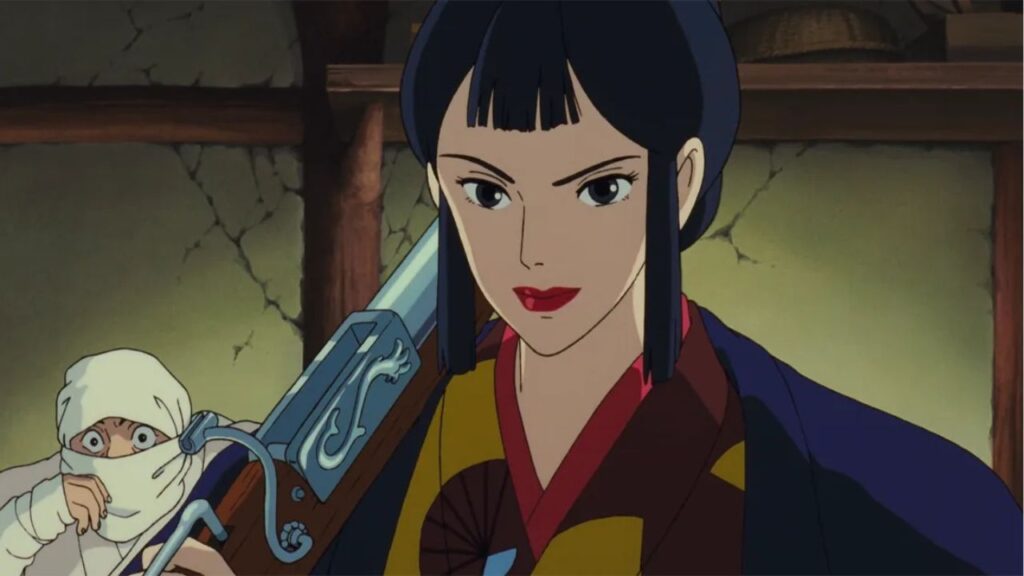
In the movie’s universe, there is no absolute right or wrong, only a gray area. The characters are flawed despite their moral standing, and it applies to the primary antagonist, Eboshi. She is a provider and nurturer for the outcasts, providing them with employment and housing in the Tatara Ba (Iron Town). These people include lepers, trafficked women, and even s– workers.
In case you missed it: How Katsuhiro Otomo’s Cyberpunk Classic ‘Akira’ Processed Post-War Japanese Trauma
Basically, it’s a transactional exchange where these people trade their labor and loyalty for a safe sanctuary, even if it means threatening the environment and engaging in violence. This becomes evident when a person shoots Ashitaka while attempting to rescue San. They also do not hesitate to kill boars. Similarly, Eboshi also killed Nago and the Deer God. So while she is a messiah for these people, she isn’t exempt from moral judgment.
Then there’s San, blinded by her prejudice and hatred towards humans. Her hatred takes the form of violence when she resorts to killing Eboshi all by herself. It is followed by Ashitaka acting as a voice of reason, a negotiator who brings peace between the Iron Town and the Ancient Forest, which are ultimately unified. It took casualties, loss, death, and a deity himself to instill reason and peace in the hearts of both animals and humans.
The important takeaway? ‘Princess Mononoke’ ends with one of its most important themes: the syncretic bond between humans and animals. It showed the possibility and the scope of both species to live in mutual harmony and respect. However, it also did so at the cost of destruction and catastrophe in more ways than one.
You might also want to read: 15 Anime Side Characters Who Are Stronger Than The Protagonist