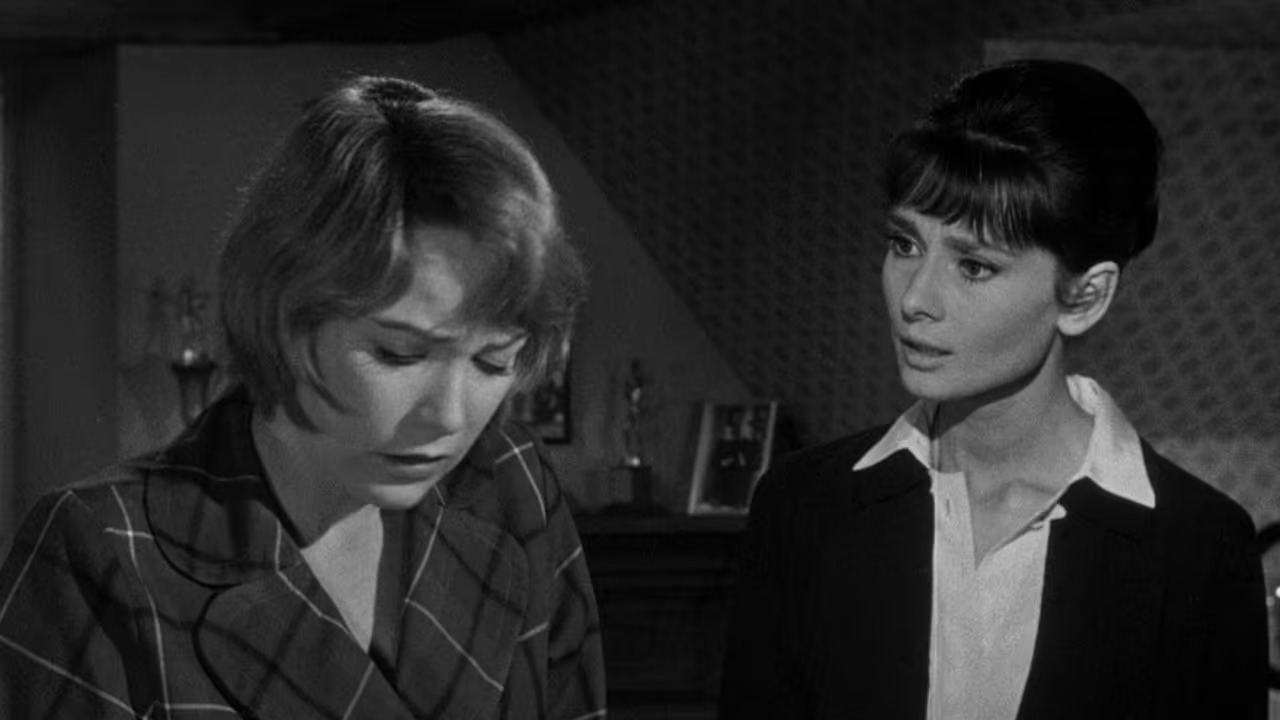
If you thought the 80s were the era that mostly revolutionized filmmaking, think again. The 1960s were in a league of their own, with movies challenging societal stereotypes and norms. They were a critique and a mockery of society in many aspects. Such is the case with this Audrey Hepburn cult classic, ‘The Children’s Hour.’
This 1961 movie explored not only the loss of morality but also society’s role in dismantling the sanity of two independent women. Read on to know how the movie destabilized the dynamic between the two female lead characters.
Traversing Loss of Sanity And Moral Decay In ‘The Children’s Hour‘
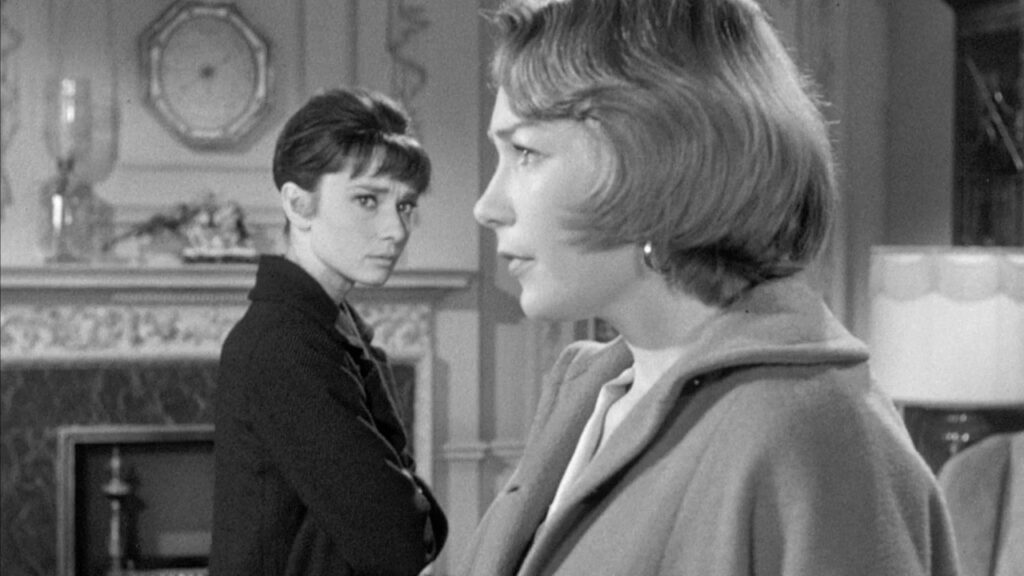
The calm before the chaos is something we often hear about, and ‘The Children’s Hour’ captures it perfectly. Just like that, it’s all peaceful in the lives of Karen Wright (Audrey Hepburn) and Martha Dobie (Shirley MacLaine). But things take a turn for the worse when they launch a boarding school, an all-girls’ institution that houses children of different temperaments. What causes the eventual turbulence in their lives is Mary, a bully in the making.
Related: Why Audrey Hepburn Found Humphrey Bogart ‘Terrifying’ Despite His Charm
Additionally, a rumor serves as a spark that ignites a wildfire within an orderly institution, leading to complete mayhem. It cost Karen and Martha their reputation, shame, and also led to emotional distress. This very society, which was supposed to act like a community, prompts Martha to take her own life. With that, she adds a painful conclusion to the entire ordeal.
This is where the moral decay comes in: a group of people decides the fate of two young, independent women. They drove one of them to insanity, ruined their careers, and shamed them for their orientation. It is the guilt that pushes one of them to find peace in an intolerant social space. But what this movie does best is mock the culture of shame.
How This Audrey Hepburn Classic Mocks The Culture Of Shame
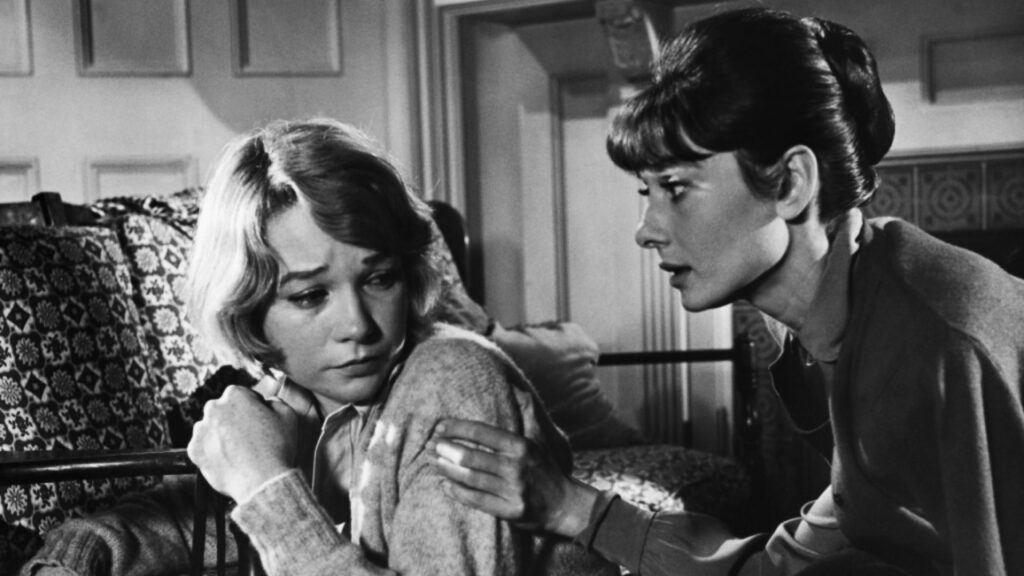
Before the smear campaign came into being, vilification was the norm in old times. ‘The Children’s Hour’ is a mockery of a society’s apathy and its culture of disgust and shame. Here, it is both shocking and frustrating that no one is held accountable, even right up to the very end of the movie. The financial settlements do little to compensate for what the ladies undergo, but that’s not it.
In case you missed it: The One Film Audrey Hepburn Regretted Turning Down More Than Any Other
For those not in the know, this movie draws on the 1930s play of the same name. It was said to be the worst time to exist as a queer individual, let alone a lesbian. The movie slashes into the very dogma of homophobia, but its aftermath is unbearable. Mary’s actions, along with the deeds of Peggy and Evelyn, destroy lives. To make matters worse, society adds fuel to the fire.
They treat Martha’s suicide as a spectacle with no remorse, instead of having a conscience about it. And even when the apology arrives, it arrives too late. The vilification, demonization, and shaming prove the common hatred and resentment among adults who could have prevented the tragedy. By the end of it all, ‘The Children’s Hour’ isn’t just a retelling of Henry Wadsworth Longfellow’s Broadway play.
While the play itself speaks of the peace, comfort, and even the joy of family life, the movie focuses on the exact opposite. The movie is a cautionary tale about parents who fail to safeguard and raise their troubled children. It is also a social commentary on an unreasonable society that is willing to sabotage independent women on the mere account of rumors and blatant lies.
You might also want to read: How Steven Spielberg Convinced Audrey Hepburn To Return To The Big Screen One Last Time