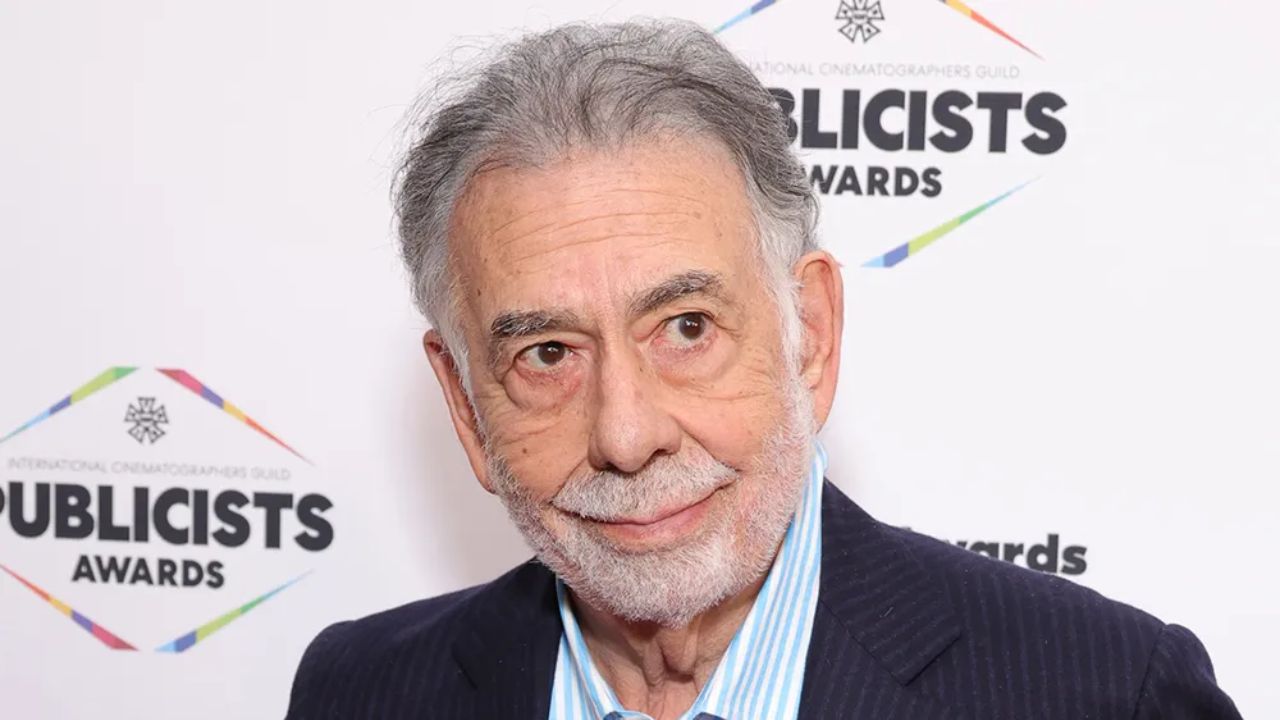
By the mid-1970s, Francis Ford Coppola had already conquered Hollywood. Within five years, he directed ‘The Godfather,’ ‘The Conversation,’ and ‘The Godfather Part II,‘ collecting five Academy Awards and establishing himself as one of the industry’s most powerful filmmakers. Most directors with such an epic filmography could have easily convinced studios to greenlight any project they wanted.
Instead, Coppola found nearly every major production house turning him down when he pitched ‘Apocalypse Now.‘ While the Vietnam War epic eventually became one of cinema’s greatest achievements, getting it made forced the director into a gamble of a totally different kind.
Studios Refused To Back Francis Ford Coppola’s ‘Apocalypse Now’
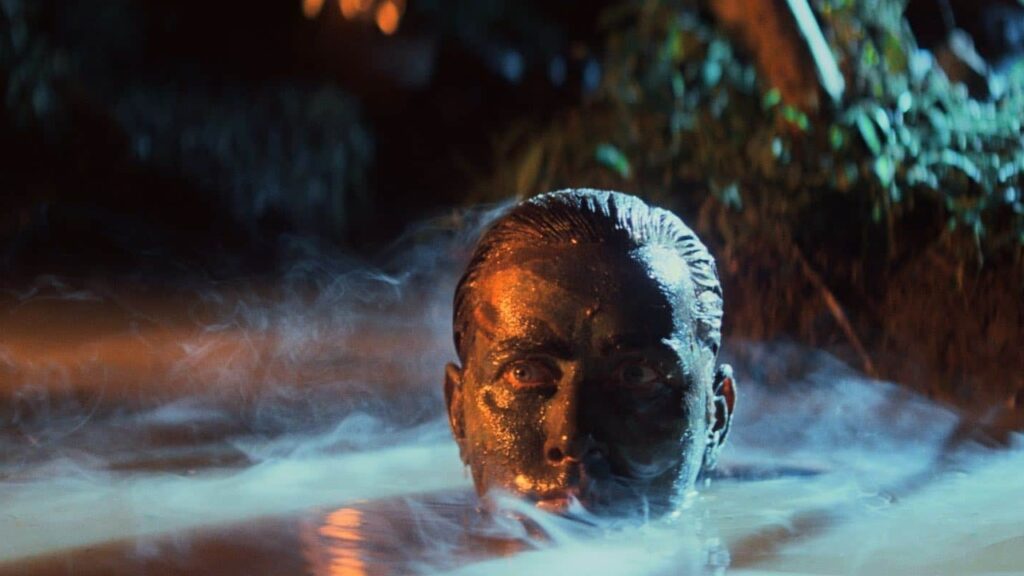
Coppola wasn’t asking Hollywood to fund an experimental art film. He estimated ‘Apocalypse Now’ would cost between $12 million and $14 million, almost identical to the budget of ‘The Godfather Part II.’ But even then, studios repeatedly passed on the project.
Related: When Martin Sheen Suffered A Real Heart Attack While Filming ‘Apocalypse Now’
Vietnam remained a difficult subject, as it had been only months after the fall of Saigon. But Coppola’s business demands created an even bigger obstacle. Unlike most directors of the era, he insisted on owning the film’s negative.
That would give him long-term control of the movie instead of handing ownership to a studio after production wrapped. It was an arrangement Hollywood almost never approved, particularly on an expensive production.
Barry Hirsch, who later became Coppola’s attorney, explained that ownership mattered for reasons beyond creative ones. One of the director’s biggest concerns was “Hollywood accounting.”
Hirsch said they wanted control over “those back ends, the definitions and the control and administration of all that stuff,” rather than leaving the movie’s financial future entirely in the studio’s hands. Despite the naysayers, Coppola refused to compromise.
He even dismissed his agents because he no longer wanted to depend on the traditional studio system. United Artists eventually agreed to finance domestic distribution and invested about $7 million, while allowing Coppola to regain ownership of the movie after several years.
Coppola Risked His Home And Fortune To Keep The Project Alive
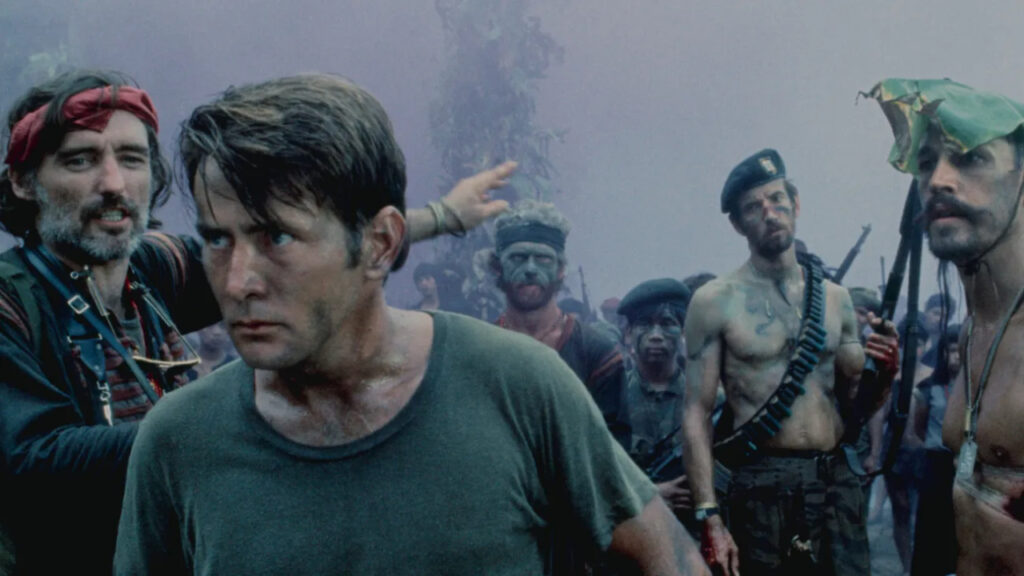
The deal with United Artists gave Coppola a path forward, but it didn’t solve his biggest problem. The studio’s investment covered only part of the budget, leaving millions of dollars still unaccounted for.
In Case You Missed It: 10 Best Films Of Francis Ford Coppola
Rather than postponing production while searching for another backer, Coppola decided to finance the gap himself and keep the project moving. He secured loans through Chase Manhattan Bank by mortgaging his Napa Valley home, his winery, and other personal property.
Moreover, he signed over future earnings from ‘The Godfather’ films, effectively tying the fortune he had spent years building to a single production. If ‘Apocalypse Now’ had collapsed, he would have lost far more than the amount worth one movie.
Producer Tom Sternberg later recalled that Coppola had already invested “a couple of million at least” before outside financing was complete. According to Sternberg, that approach reflected the director’s confidence.
“I’m going to go and make the movie. And if everybody knows I’m going to make it, it will fall into place,” Coppola said. Instead of waiting for Hollywood’s approval, he believed momentum would eventually attract the money he needed.
Barry Hirsch said that kind of commitment was almost unheard of in the industry. “Of all of the entrepreneurs, the successful filmmakers who have gone on to make huge careers and much money, never, except for Francis, none of them was willing to put his tail on the line.”
“They all let the studios take the risk,” Hirsch added. However, Coppola viewed the gamble differently and believed filmmakers should own the work they created, even if protecting that independence meant risking everything they had.
‘Apocalypse Now’ Became Coppola’s Biggest Gamble
Coppola shot ‘Apocalypse Now’ in the Philippines because its rivers and jungles could replicate the ones in Vietnam, but this decision quickly created problems. Typhoon Olga destroyed expensive sets and forced the production to shut down while crews rebuilt them.
The delays drove up the budget and added even more pressure on Coppola, who had already invested millions of his own money. The setbacks didn’t stop there. Martin Sheen suffered a heart attack during production, bringing filming to another halt.
When Marlon Brando arrived to play Colonel Kurtz, he hadn’t read the screenplay or Joseph Conrad’s ‘Heart of Darkness.’ He had also gained far more weight than expected. Coppola rewrote scenes and relied on close-ups and shadows to make the performance work.
The production eventually stretched from an expected 96 days to more than 150, while the budget climbed from roughly $12 million to over $30 million. Hollywood quickly branded the troubled shoot “Apocalypse When?” as many believed the film would become an expensive disaster.
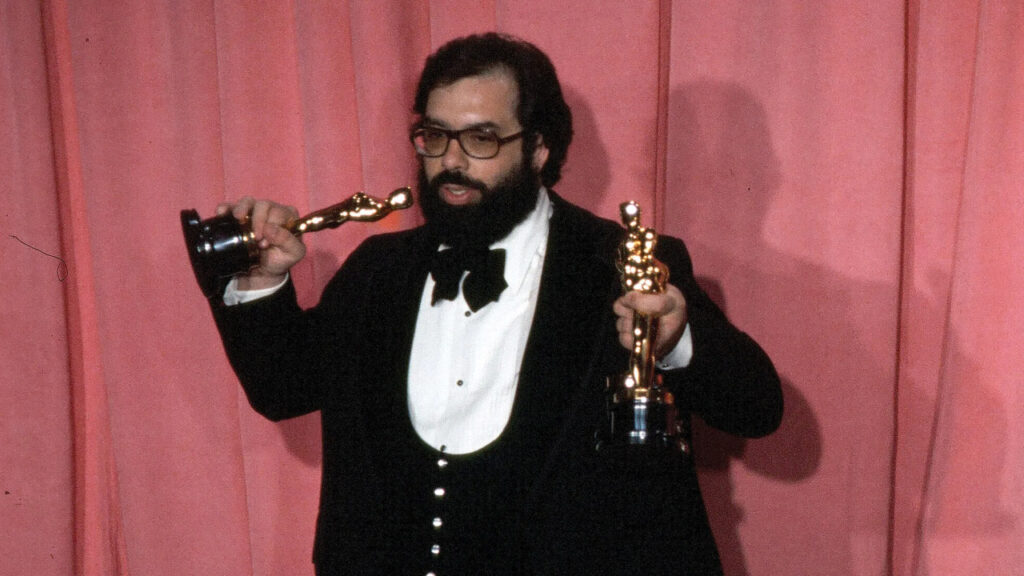
Coppola later admitted the pressure became so intense that he feared losing not only the movie but everything he had risked to make it. But when ‘Apocalypse Now’ finally reached theaters in 1979, the gamble paid off. The film won the Palme d’Or at the Cannes Film Festival.
It also earned eight Academy Award nominations and won Oscars for Best Cinematography and Best Sound. At the box office, it grossed over $100 million worldwide. More than four decades later, it remains one of the greatest war films ever made.
You Might Also Like To Read: Why Elizabeth Taylor Despised Being Known as a Sex Symbol Despite Global Fame