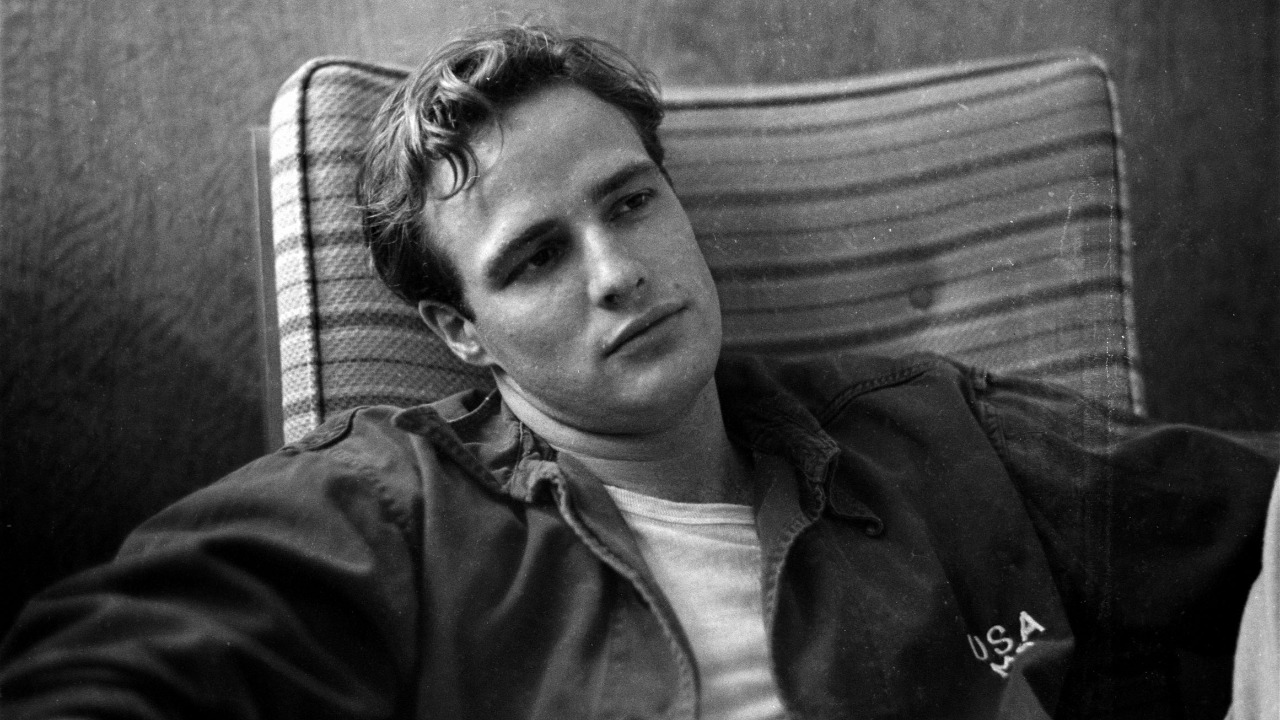
In the 1990s, long before ChatGPT, deepfakes, or the current panic over digital replicas in Hollywood, Marlon Brando sat in a room in Monterey, California, staring into a beam of light. A special effects guy named Scott Billups was testing a new scanner, a machine built to turn small statues into digital files. But Brando, the famously mercurial two-time Oscar winner, saw something else. He saw the end of the real, flesh-and-blood actor.
“Actors aren’t going to be real; they’re going to be inside a computer,” Brando said on cassette tapes he recorded late in his life. “You watch, it’s going to happen. Maybe this is the swansong for all of us.” Now, three decades later, with Tom Hanks warning that he could star in movies from the grave and studios using AI to bring back dead stars, Brando’s guess has stopped sounding like the rambling of a recluse and started sounding like a scary accurate prophecy.
The Digital Godfather and His Obsession With Facial Scans
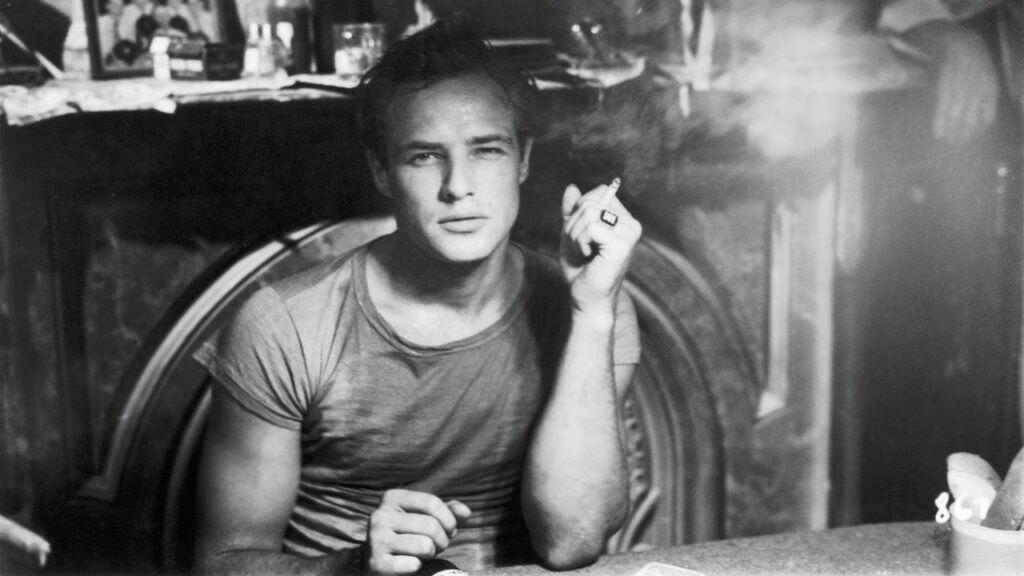
While most actors his age worried about method acting or ticket sales, Brando was obsessed with bits and bytes. He was dyslexic and preferred talking to writing, so he hoarded hundreds of hours of dictaphone tapes. When director Stevan Riley made the 2015 documentary ‘Listen To Me Marlon‘, he found a goldmine of audio where the ‘Godfather’ star talks about the inevitable digitization of the soul.
Related: The Real Story Behind Humphrey Bogart’s Famous Feud With Marlon Brando
However, Brando didn’t just talk. He tried to make it happen. In 1989, he got a detailed facial scan, making 200 different expressions like sadness, joy, and rage while a laser mapped his face. Scott Billups, a visual effects veteran who worked on ‘The Abyss‘, told CNN that Brando was desperate to be “the first actor digitized.” He wanted to star in a remake of ‘The Island of Dr. Moreau‘ using a younger, computer generated version of himself, long before CGI was good enough to pull that off.
“He wanted to know how to turn the modeling, how to change the light, how to modify the rendering,” Billups said. Brando was so proud of his digital head that he would bring a computer to producers’ offices, showing off his “trogne digitale” (digital mug) to convince them this was the future.
How Marlon Brando’s Vision Became the Birth of the Deepfake
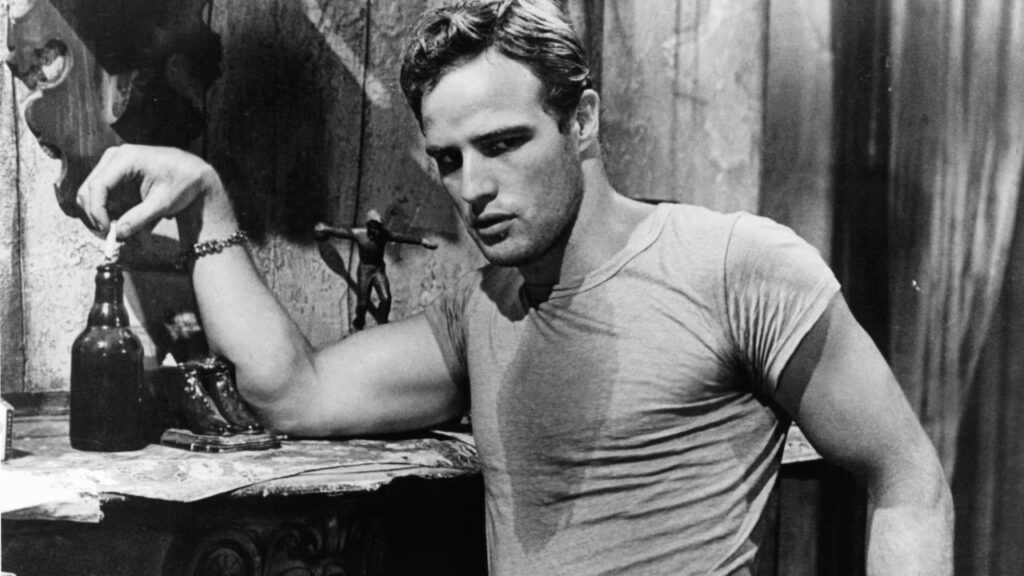
Billups first thought the actor was just looking for an easy way out, a way to act without the physical pain of being on set. But the truth was stranger and smarter. Brando understood that fame was a trap. He got swarmed in restaurants and bothered in the street. He figured that if a computer could copy his exact face, the real Marlon could be free.
In case you missed it: How ‘A Streetcar Named Desire’ Turned Marlon Brando Into A Method Acting Icon
“Digitized and reconstituted, Brando imagined actors would have a voice and a life beyond themselves,” Riley explained after the documentary came out.
Today, that reality is here. Tom Hanks previously talked about the “bona fide possibility” of a series of seven movies starring a 32 year old version of himself “from now until kingdom come.” In 2023, the actors’ strike brought Hollywood to a complete stop, partly over the use of AI to copy background performers’ faces for just one day of pay.
Why Marlon Brando’s AI Prophecy Matters for Today’s Actors
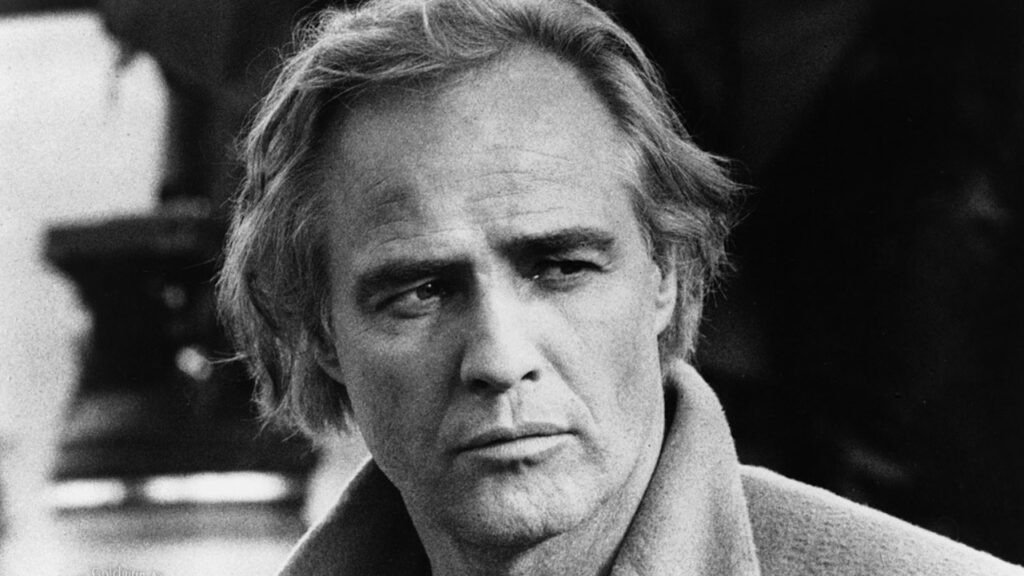
Brando’s way of seeing things gets to the heart of the current ethical mess in entertainment. He viewed the actor not as some sacred vessel of emotion but as data. He called the digitization process a way to “record facial expressions so as to be replicated.”
Film critic and futurist Mark Kerrigan says Brando’s bitterness was actually his genius. “He hated Hollywood, and he saw that the industry would eventually eat itself,” Kerrigan says. “If a computer can simulate a tear, the studio no longer needs the temperamental actor. Brando saw the ‘swan song’ coming because he lived through the birth of the machine.“
‘Listen To Me Marlon‘ ends with a ghostly, computer generated rendering of Brando’s face, a 3D model made from those 1989 scans, floating in the dark, reading his own eulogy. Back then, it felt like a quirky special effect. Now, it looks like a window into a future where no actor ever really dies, and no new one ever gets a chance.
“Actors aren’t going to be real.” You watch, Marlon said. And we are.
You might also want to read: Top 10 Bold 1970s Films That Broke Rules and Built Modern Hollywood