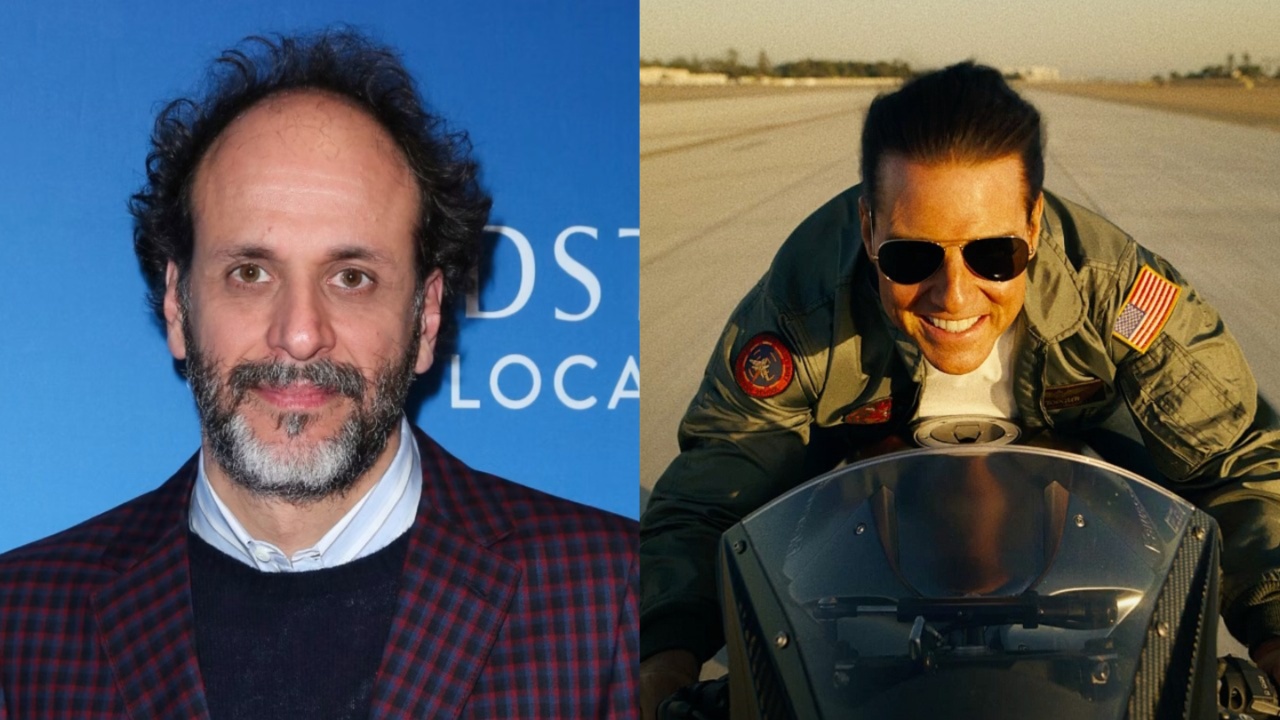
The Oscar-nominated director of ‘Challengers‘ and ‘Call Me By Your Name‘ has labeled the $1.5 billion blockbuster ‘Top Gun: Maverick‘ a “very bad movie,” arguing that its massive success has nothing to do with artistic merit and everything to do with a cynical “economy of nostalgia.”
Luca Guadagnino made these remarks while speaking at Il Foglio’s Innovation Festival. He did not hold back when discussing the 2022 Tom Cruise movie, which remains one of the most critically acclaimed and financially successful films of the decade.
Luca Guadagnino’s Brutal Take on ‘Top Gun: Maverick’

The director recalled a specific screening he attended while filming his own tennis drama, ‘Challengers.‘ “I remember when I was making Challengers, I went to see Top Gun: Maverick in a packed theater. It was huge for thousands of people, and it was a very bad movie,” Guadagnino said.
Related: Emily Blunt Reveals the Brutal ‘Edge of Tomorrow’ Scene That Even Broke Tom Cruise
The filmmaker acknowledged the raucous energy of the audience, noting they were “screaming, throwing popcorn,” and seemed “very happy,” but dismissed this reaction as a market condition rather than a sign of quality. “The economy of nostalgia right seems to be the only commodity that can be dominated by all types of markets,” he argued.
Luca Guadagnino’s Stark Reversal on Tom Cruise Sequel
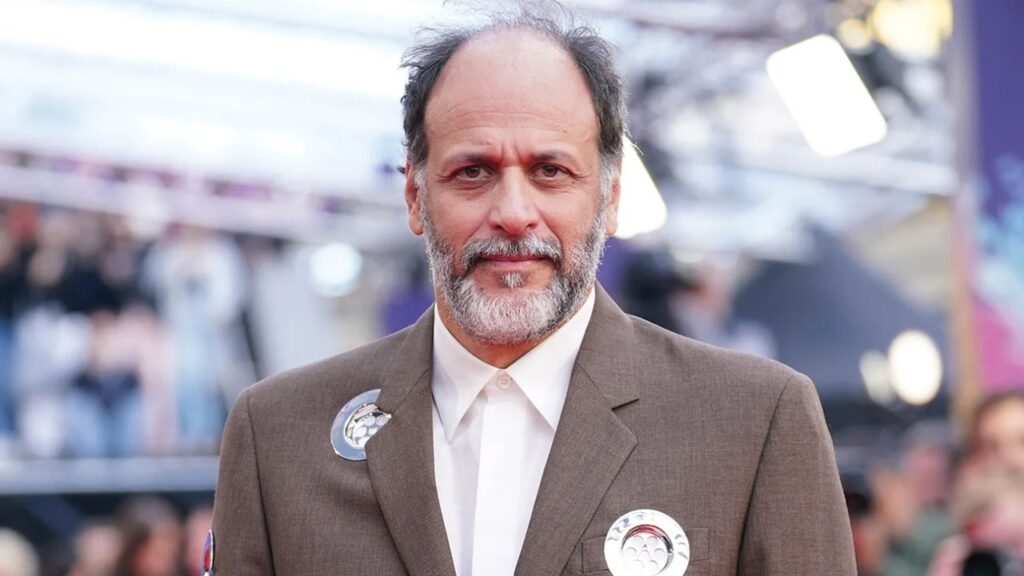
The comments represent a notable shift for the Italian director. In 2022, when Maverick was first breaking records, Guadagnino had a much more measured, almost complimentary take on the legacy sequel.
In case you missed it: Tom Cruise Was a Dyslexic Busboy Until One Explosive Audition Changed Everything
Speaking to Deadline at the time, he called the film a “very smart, intelligent, and thoughtful way of doing business,” praising how the sequel dealt with the passage of time by showing an older Maverick grappling with modern realities. Back then, he held the film up as a prototype for how Hollywood could do sequels right.
Now, however, he categorizes Maverick as part of a broader “pollution” of cinema. He lumped the film in with recent hits like ‘Inside Out 2,‘ ‘Beetlejuice Beetlejuice‘, and Steven Spielberg’s ‘Disclosure Day‘, arguing that Hollywood is frozen in a cycle of mining the past instead of inventing the future.
Hollywood’s ‘Pollution of Imagery’ and Nostalgia Economy
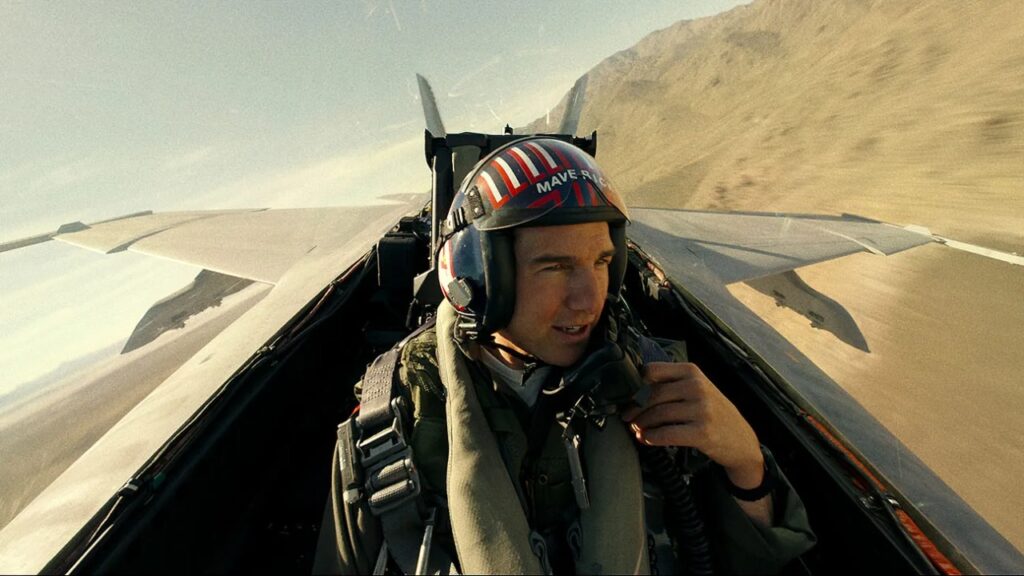
Guadagnino’s critique runs deeper than a simple dislike for fighter jets. He argues that the current reliance on intellectual property and nostalgia is an “algorithmic” failure that chokes out genuine art.
“We are working with something that deals with the unconscious, and we have to allow that to be cunning,” he previously warned. “If we trade in the unconscious for the algorithm of it all… that is where you fail.” He added that relying on data to justify remakes would have prevented masterpieces like ‘The Godfather‘ or ‘Goodfellas‘ from ever being made.
For Guadagnino, ‘Top Gun: Maverick‘ represents the ultimate endgame of this trend. It is a film that functions less as a story and more as a time machine, allowing audiences to escape into a sanitized, “frozen” vision of 1980s America. “I saw a country that was hanging so desperately onto a set of values visually that was reflected in the pictures of the ’80s,” he said after scouting locations in the Midwest.
While Maverick famously revived the box office post-pandemic and was nominated for six Academy Awards (including Best Picture), Guadagnino remains unimpressed, viewing it not as a cinematic triumph but as a “very bad movie” that succeeded simply because it made audiences feel safe and familiar rather than surprised or challenged.
You might also want to read: Tom Cruise Dodged a Massive Hollywood Controversy by Rejecting This Steven Spielberg Blockbuster