
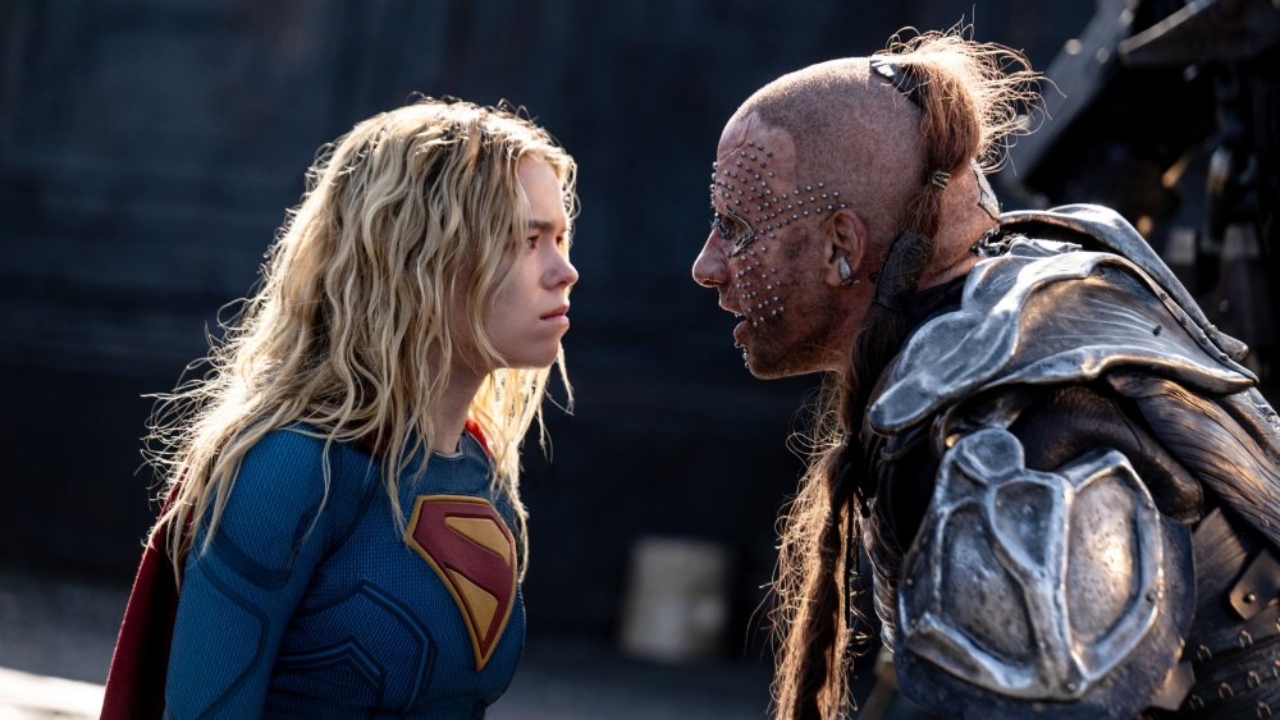
While ‘Supergirl‘ may be based on the acclaimed Supergirl: Woman of Tomorrow by Tom King, the film isn’t afraid to make its own way. The film does retain the emotional heart of the popular comic. However, some key aspects of the story have been altered, like its darker ending and the character of its central antagonist.
According to screenwriter Ana Nogueira, those changes weren’t made simply to surprise comic book readers. Rather, they were meticulously designed to make Kara Zor-El’s trip more personal and give her a full-fledged role in James Gunn’s new DCU.
The Real Reason ‘Supergirl’ Ending Needed To Change

The biggest difference from the comics is in the end. Years after trapping Krem in the Phantom Zone, Ruthye finally kills him in ‘Woman of Tomorrow’. The movie does not do that; instead, it is Kara who makes the life-changing decision during the climactic battle.
Related: ‘Supergirl’ Ending Sets Kara Zor-El On A Very Different Path Than Superman
For Writer Ana Nogueira, it was always a crucial part of the adaptation. She felt that Kara should experience the effects of revenge, rather than let another character do it for her. The conclusion is much more somber than a lot of fans were hoping for.
However, it also makes Kara a character who can make impossible choices when she’s pushed to her breaking point. Following ‘Superman’, the film leaves audiences with a version of Supergirl whose greatest strength isn’t simply her power, it’s the difficult choices she’s willing to live with.
Why ‘Supergirl’ Had To Take A Bold New Direction

When asked about the adaptation, Nogueira said her focus was to find out more about Kara than just her powers. She didn’t want to rely on the big comic book arc. She wanted viewers to relate to the character on a human level.
In case you missed it: ‘Supergirl’ Confirms DCU Isn’t Softening Lobo For The Big Screen
That also shaped the tone of the movie. ‘Supergirl: Woman of Tomorrow’ is a cosmic adventure. However, the script was inspired by the Westerns of the past, like True Grit, and focuses on a more personal revenge tale between Kara and Ruthye.
Nogueira also shared that she wrote the film with the lens of becoming a mother in 2022. The story is not autobiographical. But it does help to draw out themes of compassion, responsibility, and loss, which are all important in Kara’s emotional journey.
The main antagonist of the film, Krem of the Yellow Hills, is also reinvented. The film doesn’t quite follow his comic book character, though it does make him look more menacing than his comic counterpart, and adds extra layers to his backstory than the comic does, making him even more menacing.
In case you missed it: Milly Alcock’s Approach To ‘Supergirl’ Begins By Ignoring One Major Comparison