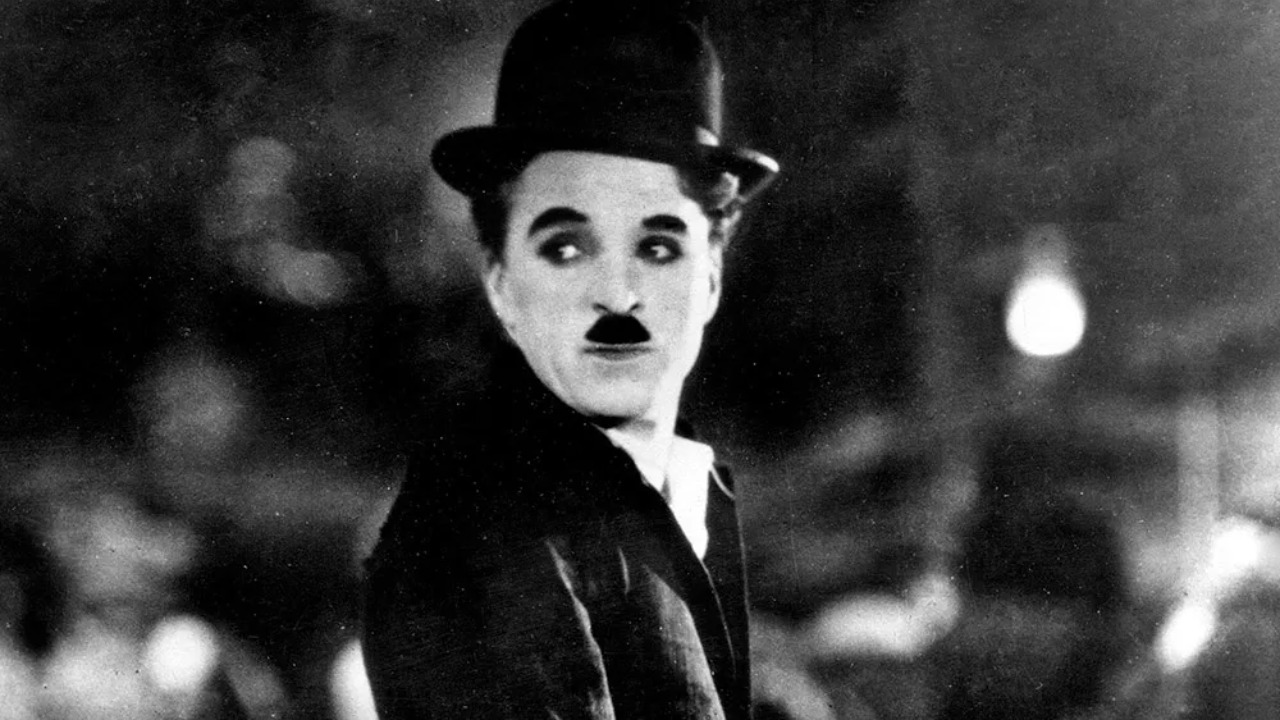
You hear a lot about famous movie directors who were hard to work with, guys like Alfred Hitchcock, Stanley Kubrick, and James Cameron. But before digital film let directors shoot a scene over and over forever, there was a little guy in baggy pants and a derby hat who set the standard for on-screen obsession. That was Charlie Chaplin.
Everyone knows him as the Tramp, the sweet, funny guy who made you cry. But new looks at old footage and biographies show a much tougher person behind the camera. Chaplin wasn’t just an actor. He was the boss of his set, a dictator about every little detail. He would burn through thousands of feet of film and make his co-stars cry just to get one small gesture right.
Charlie Chaplin’s Obsession With a Single Gesture
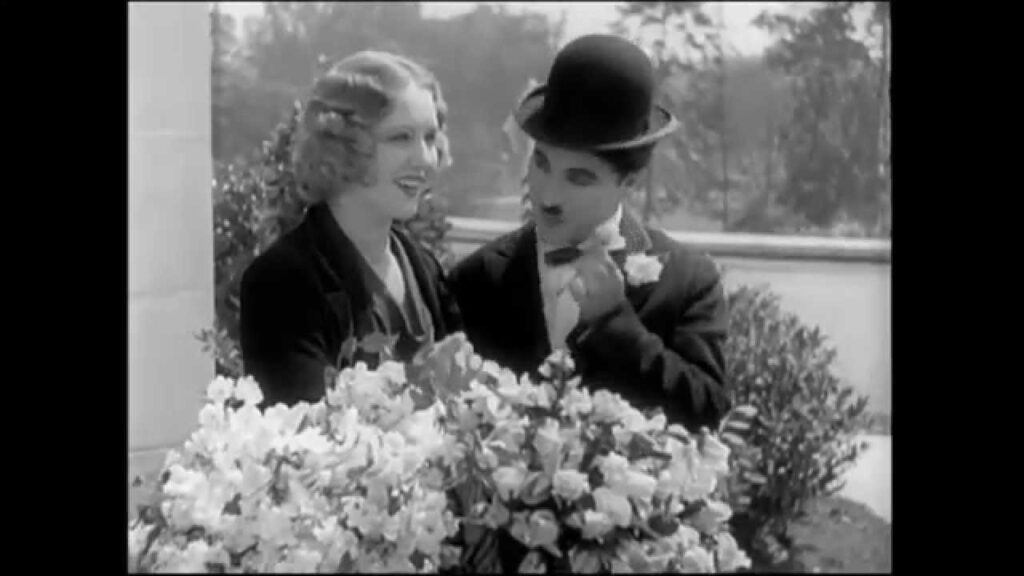
A historian named Hooman Mehran calls him “the king of the re-take.” And the numbers are crazy. For his 1931 movie ‘City Lights‘, there is a three-minute scene where a blind flower girl played by Virginia Cherrill gives the Tramp a flower. Chaplin shot that scene 342 times.
Cherrill was only 20 years old. She was a socialite he hired on a whim, not a real actress. But Chaplin did not care. He later said she was “doing something which wasn’t right.” He added, “A line. A contour hurts me if it’s not right.” He made her say those two silent words, “Flower, sir?” over and over until the film stock nearly wore out.
The Imperfectionist Method
Some people call this obsessive behavior. But film critic Richard Brody has a different take. He says Chaplin was actually an “imperfectionist.” Unlike most directors who plan out every shot on paper, Chaplin rarely used a full script. He would start with a simple idea like “Charlie goes to a health spa” and build the set. Then he would just make things up in front of the camera.
In case you missed it: ‘Peaky Blinders’ Connected Tommy Shelby to Charlie Chaplin Through a Shocking Real-Life Mystery
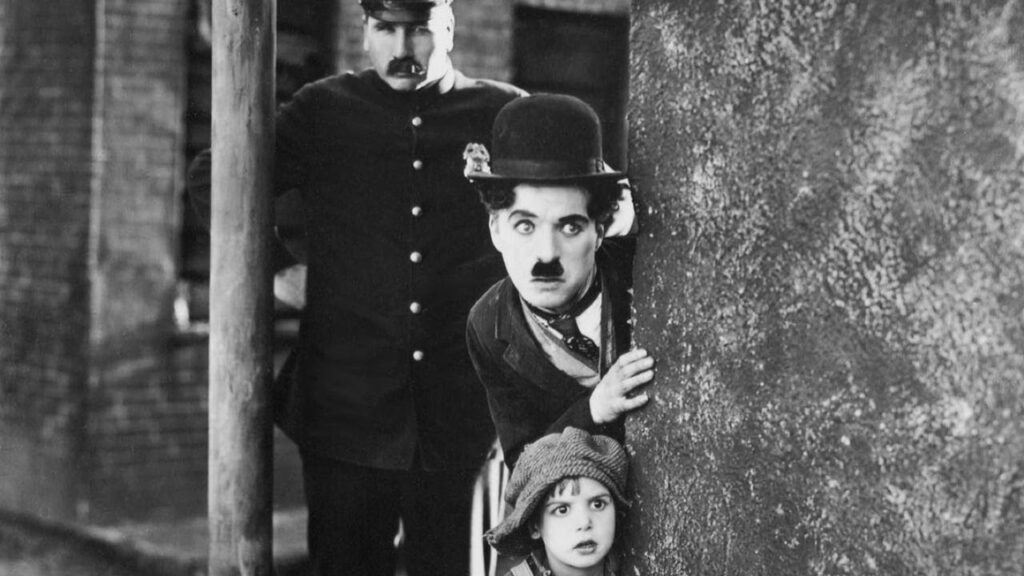
If a joke did not work, he threw it away. If the story changed, he reshot scenes he had already finished. Animator Chuck Jones remembered his father watching Chaplin shoot a scene more than one hundred times just to see if a different pair of shoes looked funnier. For Chaplin’s 1921 hit ‘The Kid‘, he shot 53 times more footage than he ever used.
The Cost of Genius on Set
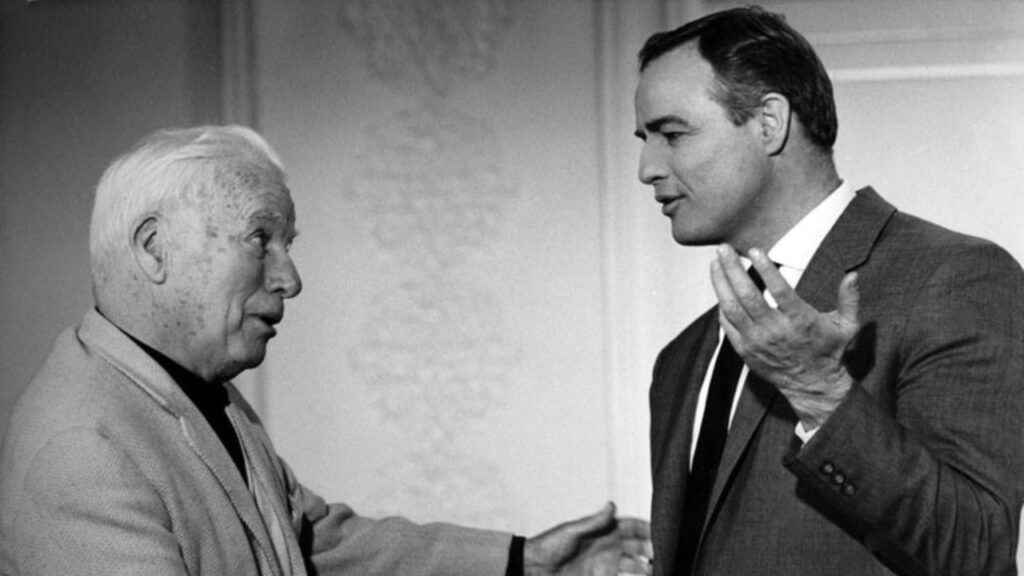
This way of working was torture for everyone else. In the 1983 documentary ‘Unknown Chaplin‘, actors talked about how Chaplin would stop production for weeks. He left the cast and crew with nothing to do while he sat on the set with his hands in his pockets, waiting for an idea to show up. When he needed to pause ‘City Lights‘ for two months, he just did it. He burned through his own money without caring.
“Chaplin was a one-man show,” Mehran says. He wrote, directed, produced, scored the music, and starred in his movies. He saw other actors as problems he had to put up with. Legend has it he once tried to make a film in which he was the only person on screen. For the few actors he did hire, he wanted them to copy him exactly. He would show them how to move, how to blink. When Marlon Brando worked with him on ‘A Countess from Hong Kong‘ and asked about his character’s motivation, Chaplin said, “Just do it as I tell you to do it, that’s your motivation.“
Why 342 Takes Created a Masterpiece
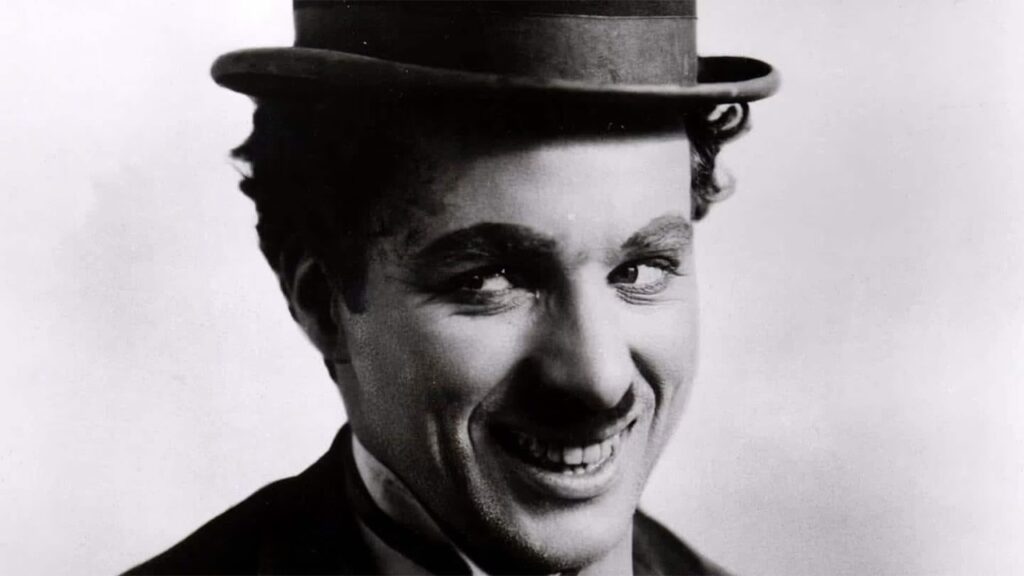
By the 1950s, people turned against Chaplin because of his political views and personal scandals. But he never changed how he worked. He moved to Switzerland and tried to destroy most of his outtakes because he was scared people would see his tricks. Luckily, some director friends saved the film reels, and those are now taught in film schools.
So why all the pain? For Chaplin, the Tramp was not just a costume. He was a real living person. In silent movies, with no words to explain what a character felt, the smallest physical movement meant everything. Give the flower too fast, and it is not sad anymore; hold a look for one second too long, and it turns into a joke.
In the end, ‘City Lights‘ was a huge hit. People still call it one of the greatest movies ever made. All those brutal takes turned into something beautiful. As one historian put it, Chaplin did not want a good performance; he wanted the only performance. And he was ready to do it 341 times to get the 342nd one right.
You might also want to read: Why Marlon Brando Called Charlie Chaplin “the Most Sadistic Man” He Ever Met