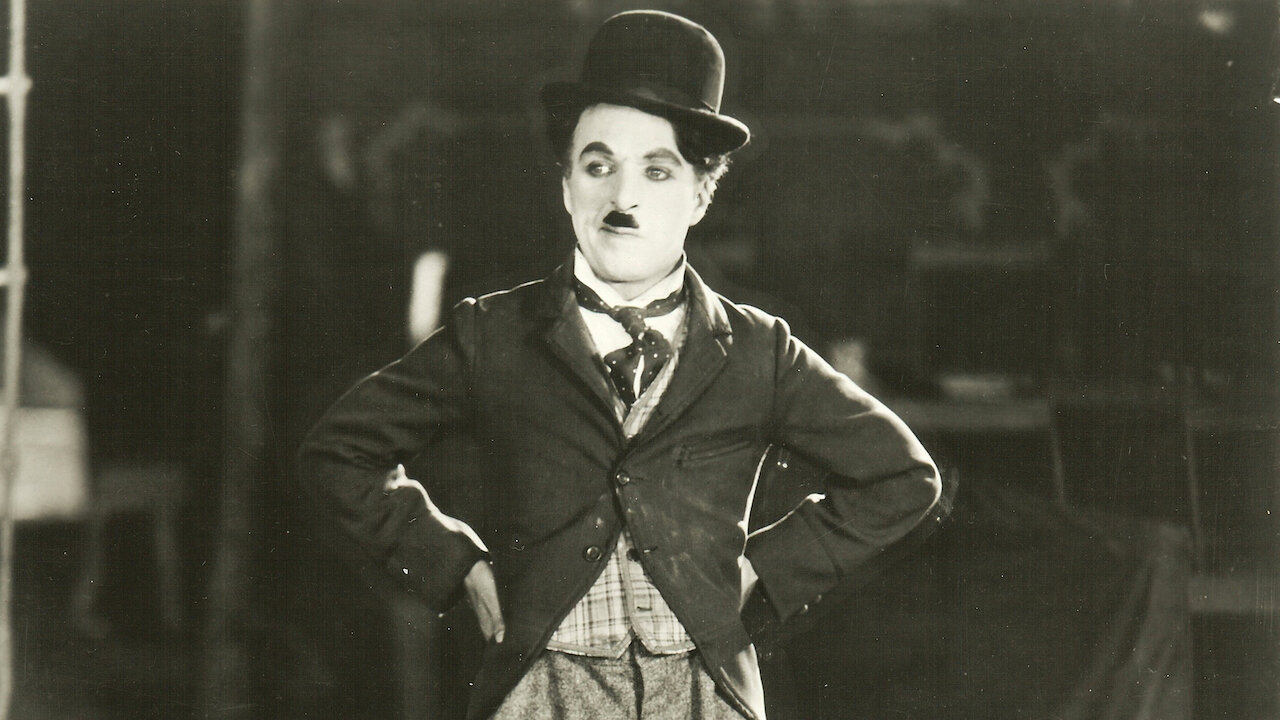
In the hot summer of 1915, America came down with a bad case of “Chaplinitis.” Everyone loved the Little Tramp, the silent film star with the toothbrush mustache, the bowler hat, and the bamboo cane. Theaters from Cincinnati to San Francisco held lookalike contests to cash in on the craze. Right in the middle of all this, a story started that has stuck around for more than a hundred years. The story goes that Charlie Chaplin himself sneaked into one of these contests without anyone knowing who he was, and lost.
But did he really trip over his own big shoes? Or is this just Hollywood’s favorite story about a famous person being brought down a peg?
Mary Pickford’s Dinner Tale and the 20th Place Failure
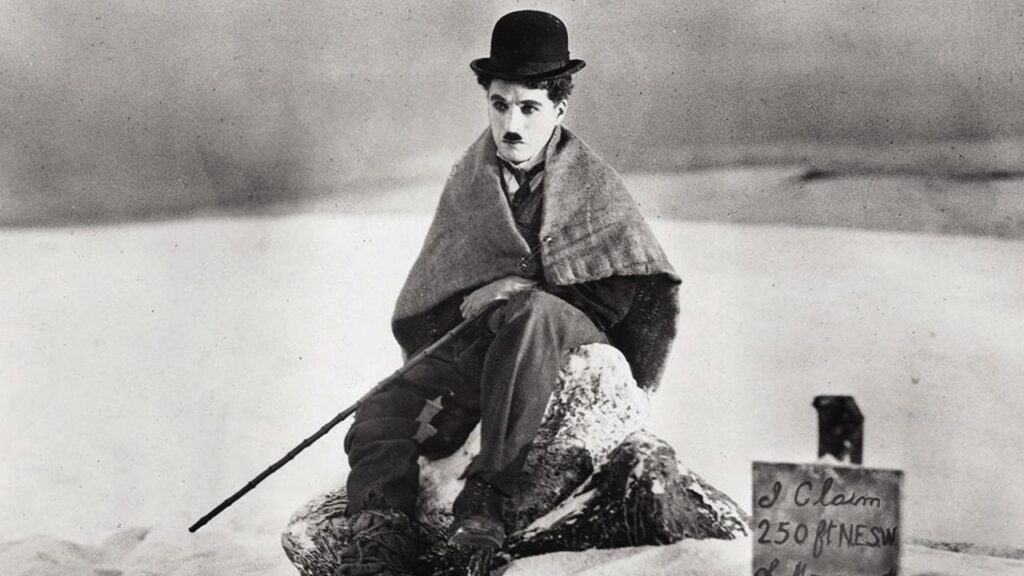
The wildest version, which gets shared a lot on social media, says Chaplin came in 20th place, or even 3rd. But if you dig through old newspapers and the official Chaplin website, the truth turns out to be messier, funnier, and more human than the myth.
Related: Why America Turned Against Charlie Chaplin at the Height of His Fame
The story first showed up not in a Hollywood gossip paper, but in the British press in 1918. According to the Association Chaplin, which is the official archive run by Chaplin’s family, the story comes from a dinner at the Anglo-Saxon Club in London. Silent film star Mary Pickford, who was known as “America’s Sweetheart,” was the guest of honor. People say she told a story to Lady Desborough about a trip to the United States.
Pickford said that Chaplin was so sure everyone knew him that he decided to test if anyone would recognize him without the costume. He went to a fair, took off his baggy pants and fake mustache, and joined a “Charlie Chaplin Walk” contest. Without the outfit, the judges had no clue who he was. Pickford said he “was a frightful failure and came in twentieth.”
Charles Chaplin Jr.’s Third Place Confusion
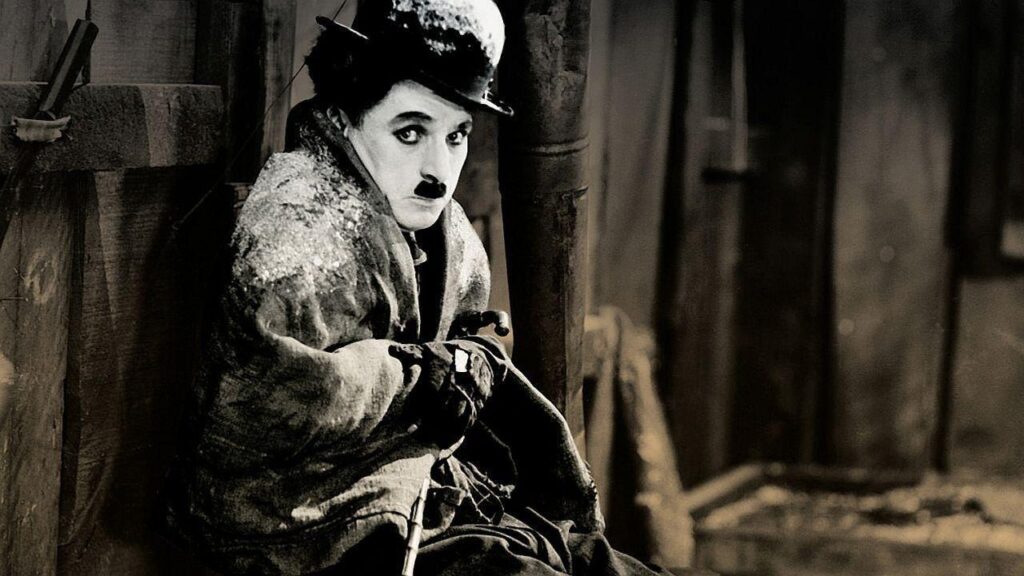
The story spread like wildfire, the way things did back in the 1920s. Newspapers from Singapore to New Zealand ran it, and when it reached Australia, the number changed to 27th place.
In case you missed it: The Charlie Chaplin Film Adolf Hitler Was Rumoured to Watch Twice
If Pickford started the rumor, Chaplin’s own son is the reason for all the confusion.
Years later, Charles Chaplin Jr. wrote a book called ‘My Father, Charlie Chaplin.’ In it, he gave a different version. He said his dad told him about a contest at Grauman’s Chinese Theatre in Hollywood. Charlie went up against 30 or 40 other people. “He came in third,” Charles Jr. wrote. “Dad always thought this one of the funniest jokes imaginable—whether on him or the judges or both, I don’t know.”
The problem is, Grauman’s Chinese Theatre didn’t open until 1927, years after Chaplin Jr. was born. So either he mixed up the story or his memory got fuzzy over time.
Chaplin’s Own Denial and the Missing Evidence
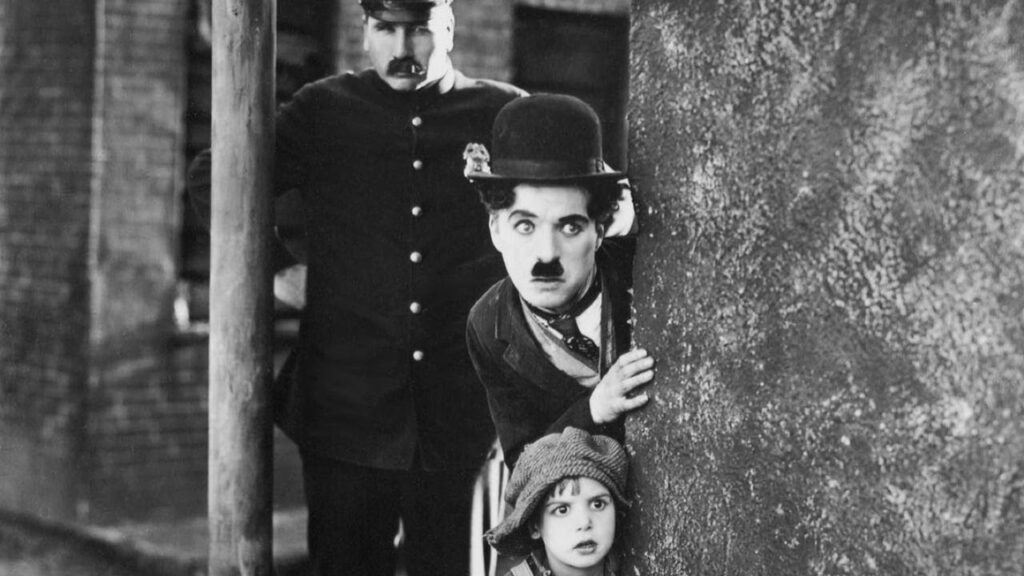
So did the most famous mimic in the world fail to mimic himself? For decades, researchers have looked for a photo or a newspaper clipping showing Chaplin in a contest lineup. They have never found one. In 1966, Chaplin himself finally set the record straight, saying that he talked to a reporter named Richard Meryman and flat out revealed the story wasn’t true.
“It’s not true,” Chaplin said. “Like the legend I entered a competition… In the first place, I’m working hard all day. I certainly don’t want to do that.” But even with Chaplin saying it never happened, some old records suggest a contest did take place in San Francisco.
The biography ‘The Tramp: The Life of Charlie Chaplin‘ notes that when Chaplin reportedly entered a contest at a San Francisco theater, he “failed even to make the finals.” The real Charlie was so unimpressed with the imitators that he told a reporter he was “tempted to give lessons in the Chaplin walk, out of pity.”
Why the Chaplin Contest Legend Lives On
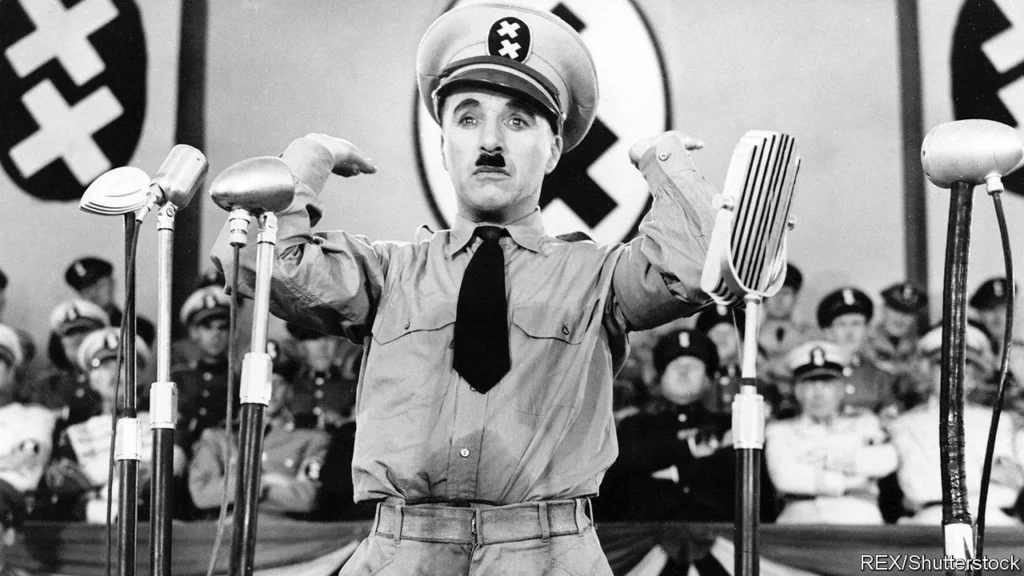
In the end, whether the story is true or not doesn’t really matter. The reason it has stuck around is because it gets at something real about fame. Charlie Chaplin, the man who controlled every little move he made on screen, was invisible without the costume. The legend shows that the Little Tramp was never just one man. He was an idea, and by 1915, the public owned him just as much as Chaplin did.
As the official Chaplin website put it when they rated the story as “Unproven,” the “perfect story” was simply too good to be true.
You might also want to read: ‘Peaky Blinders’ Connected Tommy Shelby to Charlie Chaplin Through a Shocking Real-Life Mystery