
For decades, the story was simple: Greta Garbo, the screen’s most luminous enigma, quit Hollywood because her final film was a flop. But several examined letters, insider accounts, and a 1949 screen test reveal a far more complex truth. Garbo didn’t just retire; she was erased.
In the autumn of 1941, Metro-Goldwyn-Mayer released ‘Two-Faced Woman.’ It was meant to be a victory lap. Garbo’s previous film, ‘Ninotchka (1939)‘, had been a smash hit, famously marketed with the tagline “Garbo Laughs!”. The studio, eager to capitalize on the war-era demand for escapism, decided to fully reinvent its $350,000-a-picture star.
The “Sweater Girl” Makeover Greta Garbo Never Wanted
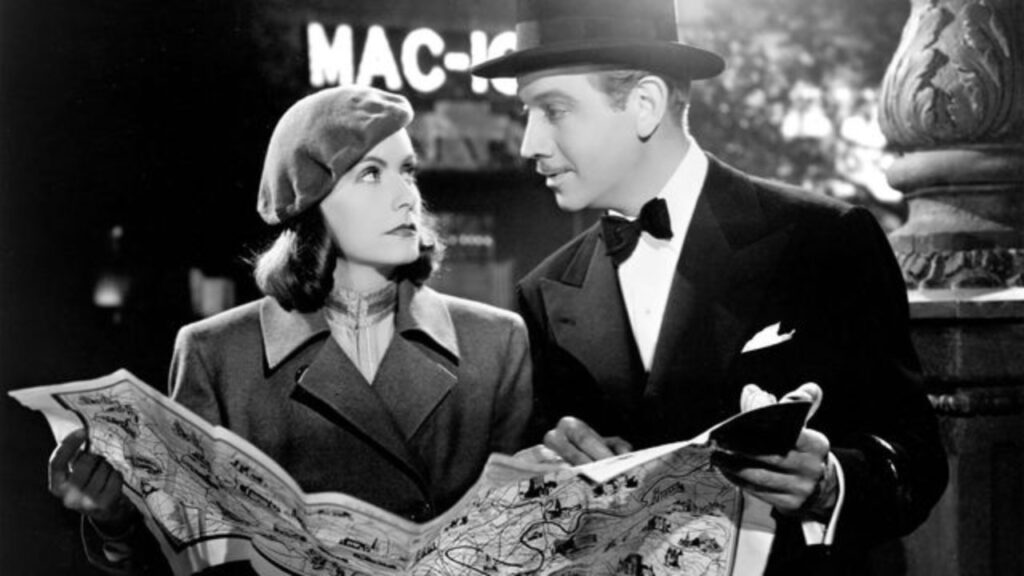
MGM turned the ‘Swedish Sphinx‘ into a “sweater girl.” “It was because of Garbo that I left M-G-M,” said costume designer Adrian, who resigned after the project. “In her last picture, they wanted to make her a sweater girl, a real American type. I said, ‘When the glamour ends for Garbo, it also ends for me.’”
Related: Why Greta Garbo and Clark Gable Never Made Another Movie After ‘Susan Lenox’
Garbo, then 36, was forced into dancing lessons she detested. At one point, the reluctant star reportedly hid from her instructor in a tree on her own property, shouting, “Go away, Rhumba, Go away!”
When ‘Two-Faced Woman’ premiered, the critics were not just disappointed; they were horrified. Time Magazine famously wrote that watching the film was “almost as shocking as seeing your mother drunk”. The National Legion of Decency gave it a “Condemned” rating, objecting to its moral tone. Although the attack on Pearl Harbour weeks earlier had tanked the box office, the damage was done.
Planning Her Exit Long Before the Flop
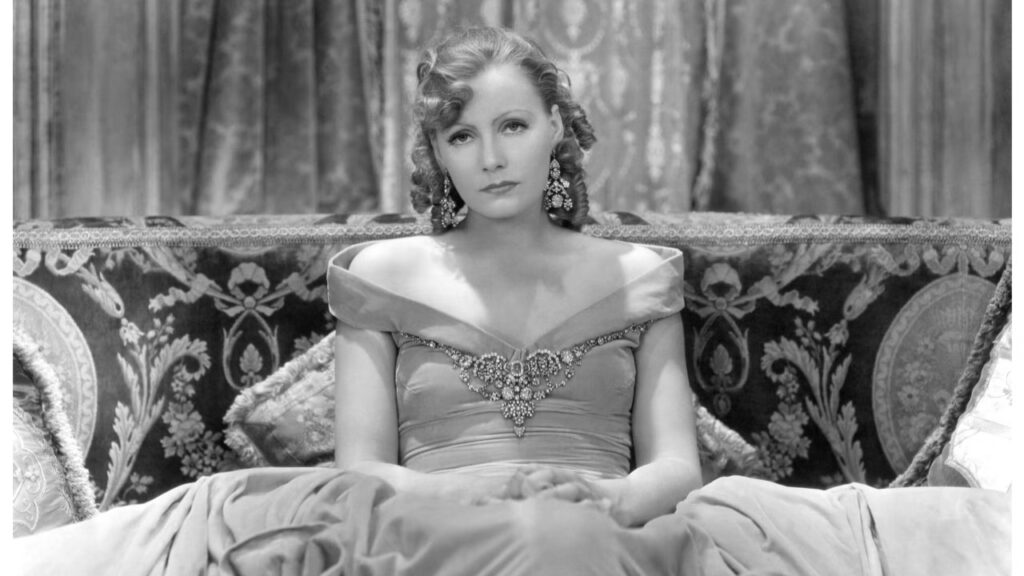
It is widely assumed that Garbo simply quit out of shame. But documents and biographies suggest a different timeline. In March 1941, months before the film’s release, Garbo was already amending her MGM contract, pushing back deadlines. She wasn’t waiting for the reviews; she was planning an exit. “People often glibly say that the failure of Two-Faced Woman finished Garbo’s career,” said director George Cukor. “That’s a grotesque over-simplification… I think that what really happened was that she just gave up. She didn’t want to go on.”
In case you missed it: The Incredible Rise of Clark Gable From Factory Worker to Hollywood Icon
Garbo herself called the movie “my grave,” but she had not intended to stop working forever. Archival research by Turner Classic Movies reveals that Garbo actually planned a hiatus. With World War II cutting off the European market, where her dramatic epics made their real profit, she saw no point in grinding out comedies she loathed.
The Final Rejection and a Life of Privacy
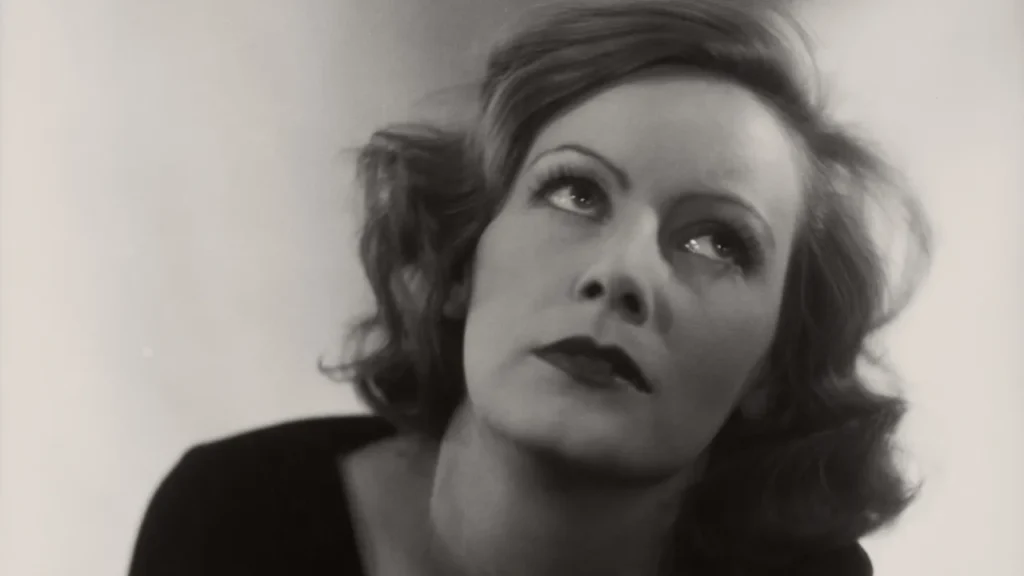
For nearly a decade after 1941, Garbo waited. In 1949, she finally agreed to come back for ‘La Duchesse de Langeais‘, a Balzac adaptation to be shot in France. To prove she still had “it,” Garbo agreed to a screen test.
The footage, lost for 40 years before being found in a garage, is haunting. It shows Garbo at 43, still radiant, still magnetic. Yet the financing collapsed. “It was one thing for her to not want to work,” wrote TCM historian Robert Osborne. “It was another to not have people care if she did or didn’t return.”
That rejection, not the failure of ‘Two-Faced Woman‘, but the failure of Hollywood to finance her comeback, sealed her fate. She began her legendary New York walks, buying a seven-room apartment at 450 East 52nd Street. When Billy Wilder offered her the role of Norma Desmond in ‘Sunset Boulevard,’ a part about a forgotten silent star, Garbo declined. She had no interest in playing the tragedy she was living.
“I was tired of Hollywood,” she later reflected. “There were many days when I had to force myself to go to the studio. I really wanted to live another life.” She died in 1990, but as the 1949 test proves, the camera never stopped loving her. It was Greta Garbo who finally walked away from it.
You might also want to read: Why Greta Garbo Vanished From Hollywood After Her Most Talked-About Film