It looks like a quaint English cottage tucked away on a bustling Hollywood corner, but the five-acre site at 1416 North La Brea Avenue is a fortress of independence. In 1917, as Hollywood’s studio system began tightening its grip on artists, the most famous man in the world decided he would rather build his own kingdom than serve another king.
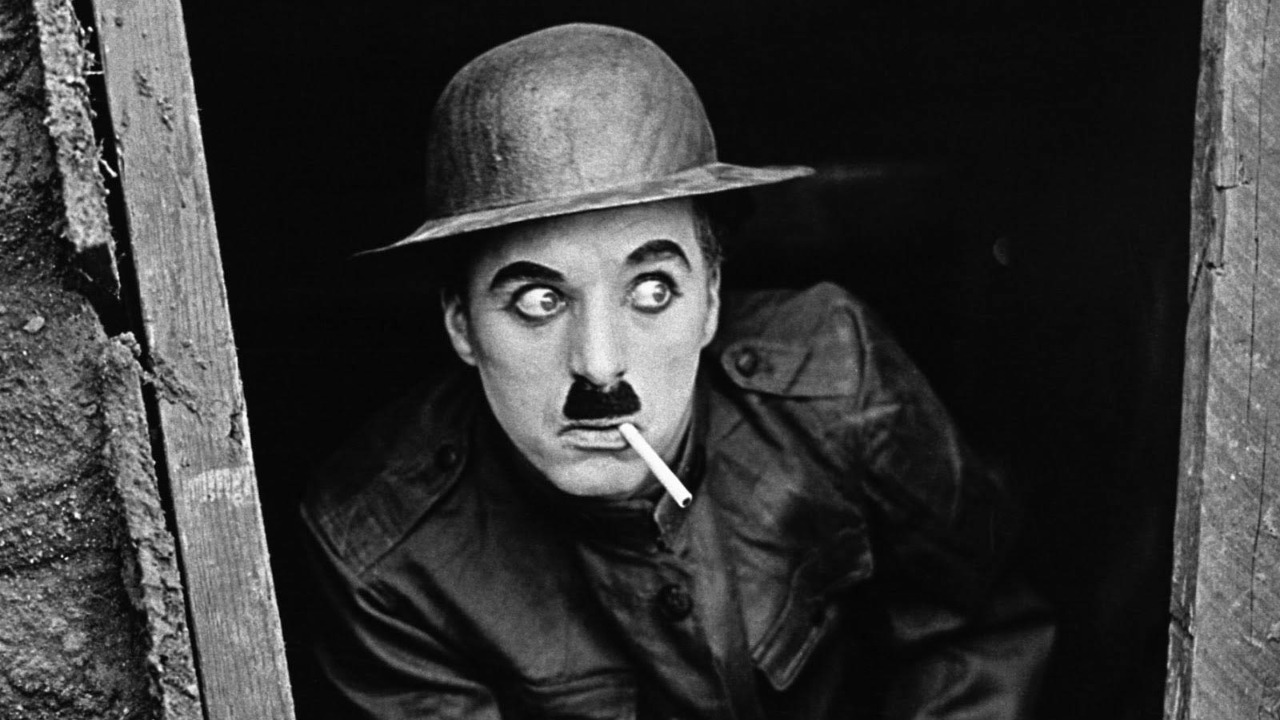
That man was Charlie Chaplin. The resulting structure, now rebranded as Chaplin Studios by new owners John Mayer and director McG, is more than a real estate landmark. It is a monument to the moment the inmates decided to take over the asylum.
Why Charlie Chaplin Built His Own Studio
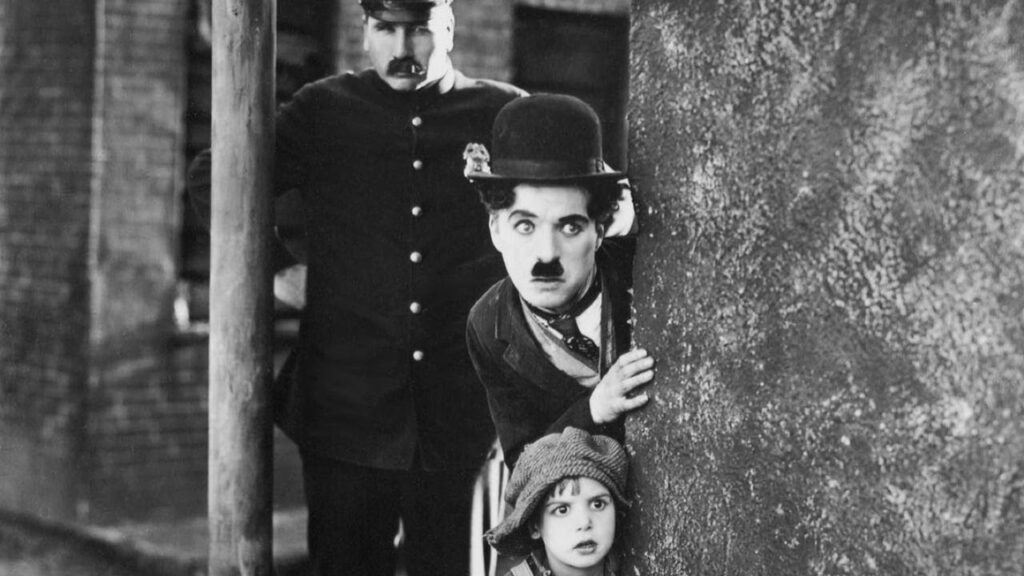
To understand the radical nature of the studio, one must understand the era. In the 1910s, Hollywood was a factory. Actors were cogs, and directors answered to investors. Despite earning a then-unfathomable salary, Chaplin chafed at the creative constraints of Mack Sennett’s Keystone and the contractual obligations of Mutual.
Related: Why Marlon Brando Called Charlie Chaplin “the Most Sadistic Man” He Ever Met
In October 1917, Chaplin announced he was breaking the mold. Purchasing a plot of land that contained a ten-room house and acres of lemon and peach trees, he spent $35,000 to construct his own self-sufficient production plant. To appease neighbors worried about a noisy industrial site near Hollywood High School, Chaplin disguised the complex as a storybook English village, complete with cottage-style facades that hid a film lab, cutting rooms, and offices.
The interior, however, was pure revolution. For the first time, a major filmmaker had a laboratory built specifically to answer to no one but himself.
“Chaplin’s studio became a kingdom with himself as the monarch,” writes the Criterion Collection. The single-minded purpose of the facility was to enable his artistic vision. Here, on his own stages, Chaplin tore up the rulebook. There were no release schedules dictating his pace. There were no producers telling him his pathos was too sentimental or his politics too sharp. He could take years to finish a scene, scrap entire storylines, or, as he did in 1923, produce a dramatic film like A Woman of Paris that featured him only as a cameo.
The United Artists Revolution
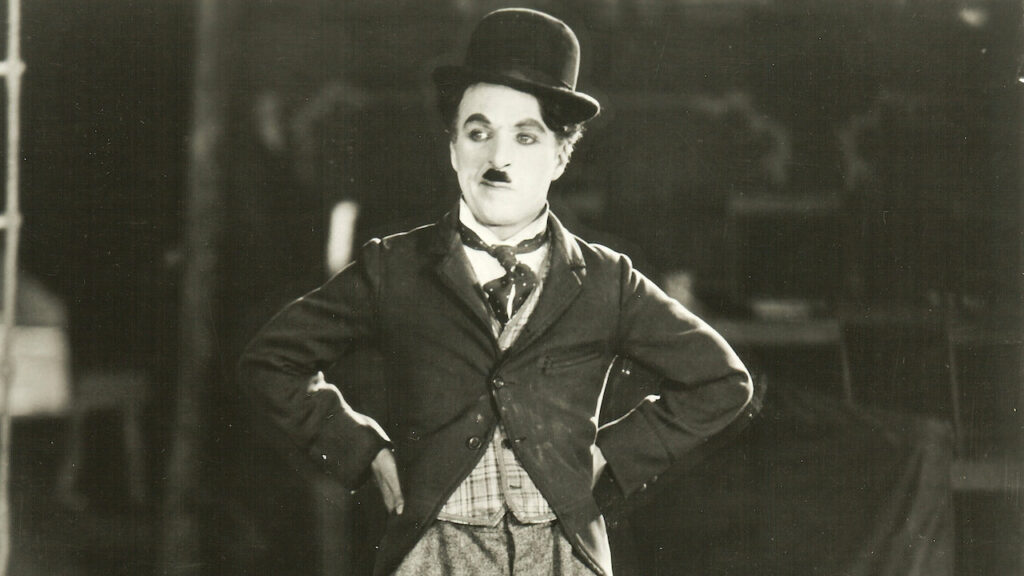
The studio became the physical headquarters for a seismic shift in the business. In 1919, within these walls, Chaplin teamed with Douglas Fairbanks, Mary Pickford, and D.W. Griffith to launch United Artists. As legend has it, when Metro Pictures head Richard Rowland heard the actors were starting their own distribution company, he sneered, “The inmates are taking over the asylum”.
In case you missed it: The Bizarre Story of How Charlie Chaplin’s Body Was Stolen After His Death
But that was precisely the point. United Artists was designed as an umbrella for individual artists to control their own product. It was the streaming service of its day, a direct line from the artist to the audience, cutting out the predatory middlemen.
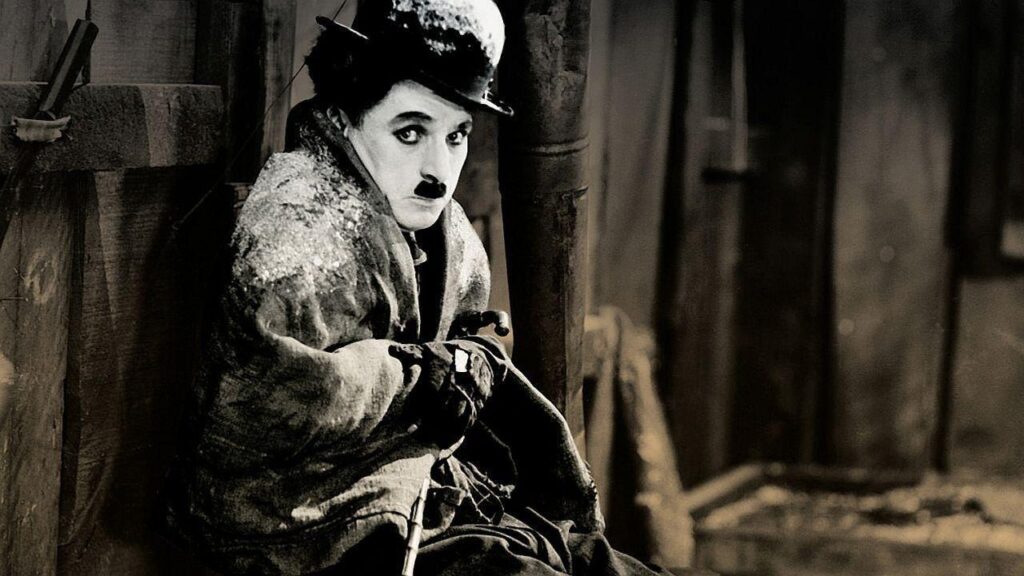
From 1918 until 1953, the La Brea lot was a creative volcano. Chaplin produced the vast majority of his masterpieces there, from ‘The Kid‘ (1921) and ‘The Gold Rush‘ (1925) to ‘City Lights‘ (1931) and ‘The Great Dictator‘ (1940). The backlot held the massive big top for ‘The Circus‘, a production plagued by a fire that destroyed the sets and a divorce that dominated headlines. Yet Chaplin persevered because he owned the dirt beneath his feet.
“Sign on with Charlie and you’re guaranteed to eat for a while,” comedian Chester Conklin once said, noting the fierce loyalty Chaplin commanded by keeping his troupe employed even during multi-year layoffs.
A Creative Legacy That Lived On
The property has lived many lives since Chaplin sold it in 1953. It became the headquarters for A&M Records, where Herb Alpert and Jerry Moss preserved the structure while cutting hits for The Carpenters and Carole King. In 1985, it hosted the “We Are the World” session. The Jim Henson Company later added Muppet eyes to the rafters.
But history came full circle in 2025. When John Mayer and McG finalized their purchase, they didn’t name it after the musicians or the puppets. They reverted to the original: Chaplin Studios.
“Fifty percent of the reason is because I didn’t feel good about going forward,” Mayer told The Hollywood Reporter, explaining the decision to restore the Chaplin name. “There’s a second life to it… to have people in their 20s go to a place called Chaplin, even if they’re not aware of what the connection is”.
Walking the lot today, the connection is palpable. The original brickwork remains. The footsteps of the Tramp are etched into the history of the concrete. For nearly 110 years, that corner of La Brea has stood as a testament to a simple, radical idea: the artist should own the factory.
The inmates aren’t just running the asylum anymore. They own the building.
You might also want to read: Why America Turned Against Charlie Chaplin at the Height of His Fame