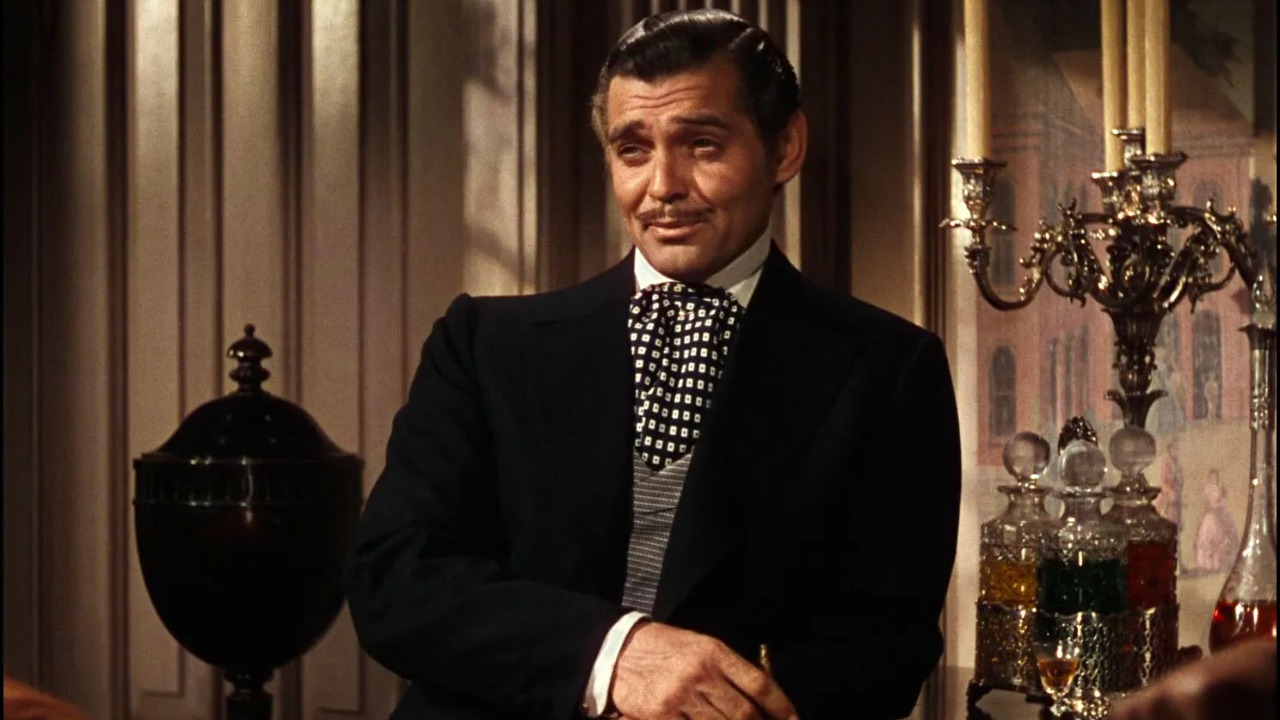
It was the most anticipated film of a generation, a four-hour Civil War epic plagued by one problem after another. It went through three different directors, a script that kept getting rewritten, and a nationwide search for Scarlett O’Hara that bordered on obsession.
However, on the first day of filming for ‘Gone with the Wind‘ in January 1939, the crew nearly fell apart. The “King of Hollywood” himself, Clark Gable, threatened to walk off the set and tear up his contract unless the studio gave in to one very specific, very secret demand. It had nothing to do with money or his co-star, but had everything to do with human dignity.
Why Clark Gable Walked Off Set Over Racist Signs on the Backlot
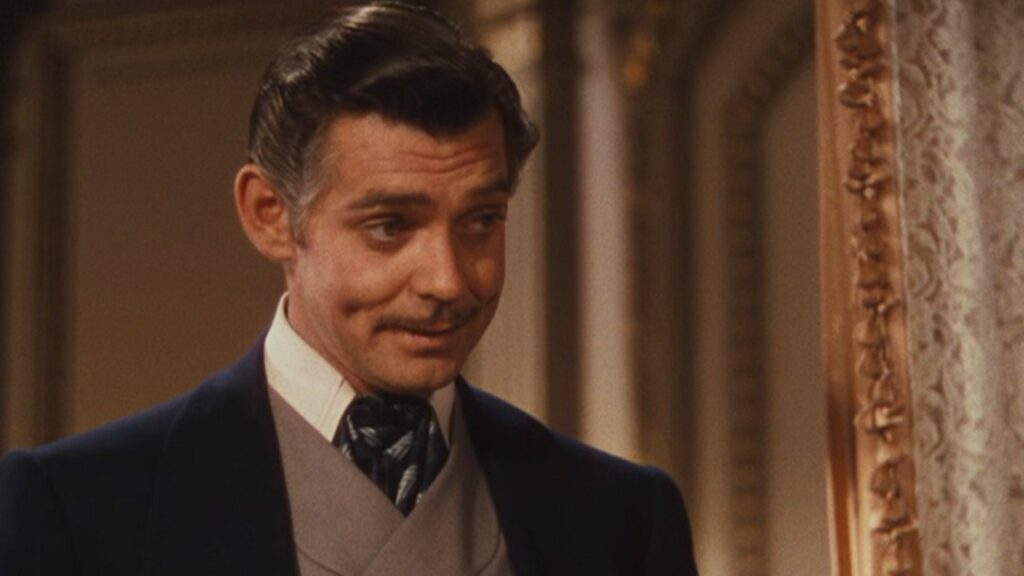
Forget the old tabloid rumors about “creative differences” or Gable not wanting to play Rhett Butler. The real reason for his anger was something he saw on the backlot of Selznick International Studios.
Related: The Scandalous Audrey Hepburn Drama That Forced Hollywood to Confront Lesbian Love
An extra named Lennie Bluett remembered it years later. Hollywood in 1939 was brutally segregated. When the Black actors showed up in their Confederate uniforms, they saw that the portable bathrooms were strictly divided. Signs were posted marking “White” and “Colored.” It was a reminder of the Jim Crow laws from the South, brought onto a movie set about the South.
“We’ve got babies at home,” the extras told Bluett. “They could kick us off the film if we raise a ruckus.” But Bluett wouldn’t take it. He walked to Gable’s dressing room, knocked on the door, and asked the highest-paid star in the world for two seconds of his time. He led Gable to the portable toilets and pointed to the signs.
People remember the exact words a little differently, but everyone agrees on how angry Gable was. Witnesses said he was shocked and swore loudly. He was disgusted. He grabbed a phone and called the director, Victor Fleming.
Gable’s Ultimatum to Director Victor Fleming
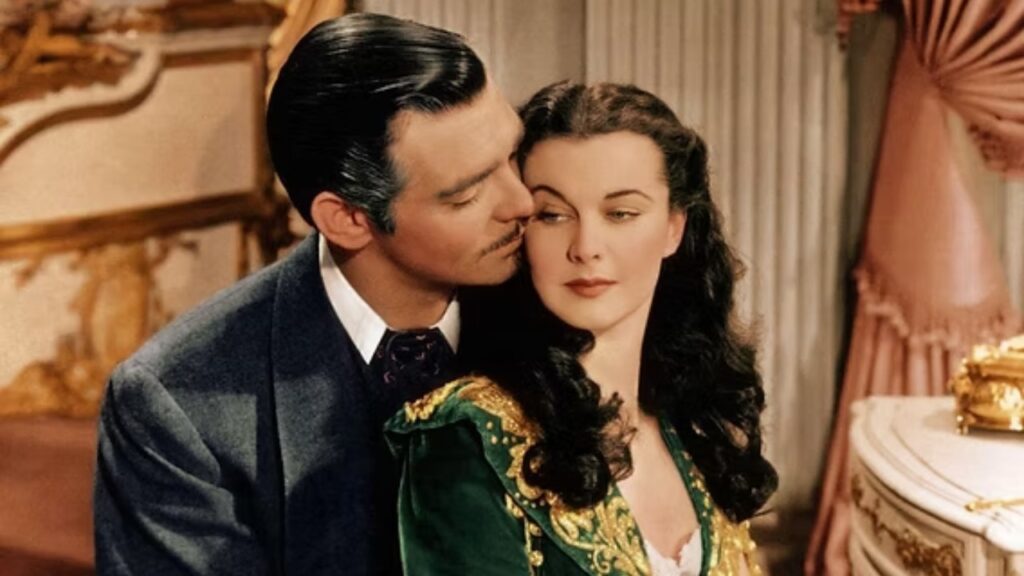
According to Bluett, Gable gave a short and brutal ultimatum: “If you don’t get those God damn signs down, you won’t have a Rhett Butler in this film.” The threat was huge as Gable wasn’t just the star, he was the only reason MGM had agreed to pay for the movie. The public had demanded Gable, and without him, the four-million-dollar production was dead.
In case you missed it: Why Alfred Hitchcock Avoided Working With Marilyn Monroe Despite His Blonde Obsession
Fleming knew he had lost. He called the prop master right away, and within minutes, the signs came down.
The bathroom fight was the most dramatic example, but it wasn’t the only time Gable almost quit. He was nervous about the role from the beginning and initially turned it down. He had been loaned out to Selznick by MGM boss Louis B. Mayer like a piece of livestock. He was terrified that millions of readers had already imagined Rhett Butler, and he was sure he would let them down.
Clark Gable Refused to Cry on Screen Until Olivia de Havilland Changed His Mind
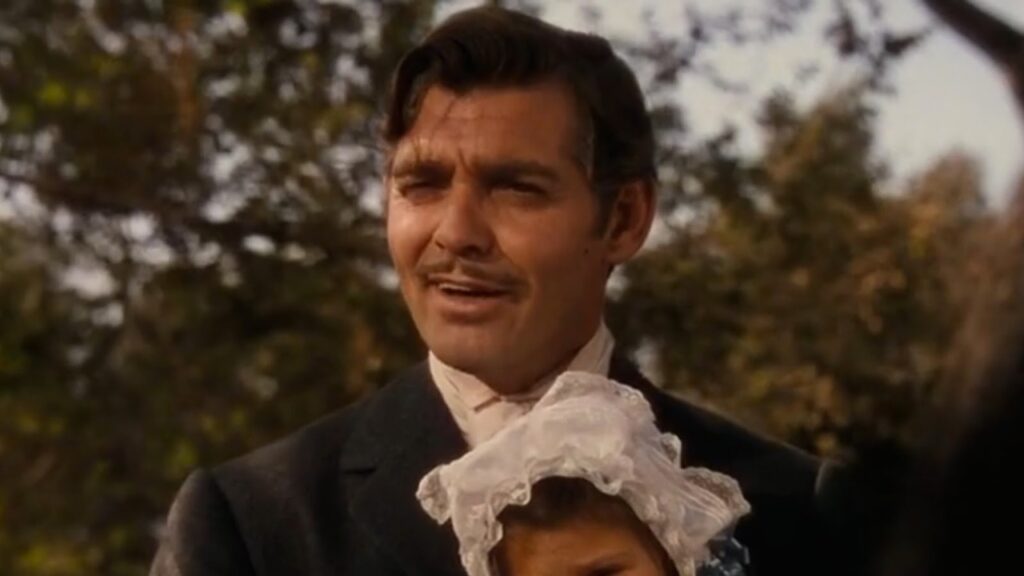
Gable’s biggest private battle was with the script. Late in the film, after his daughter Bonnie dies, Rhett Butler breaks down crying. Gable was born in 1901 and raised on the tough masculinity of early Hollywood. As a result, crying on screen felt like a threat to everything he stood for.
“He didn’t want to,” his co-star Olivia de Havilland said later. “He thought it was unmanly, you see. That was the training of men in those days.“
According to de Havilland, Gable panicked. He told her he couldn’t do it and that he “would just have to quit.” The director tried logic and coaching, but it didn’t work. Finally, de Havilland tried a softer approach. She convinced him that tears showed strength, not weakness. Gable finally gave in and let himself cry. That scene became one of the most heartbreaking moments in movie history.
How Clark Gable Used His Power for Simple, Radical Equality on Set
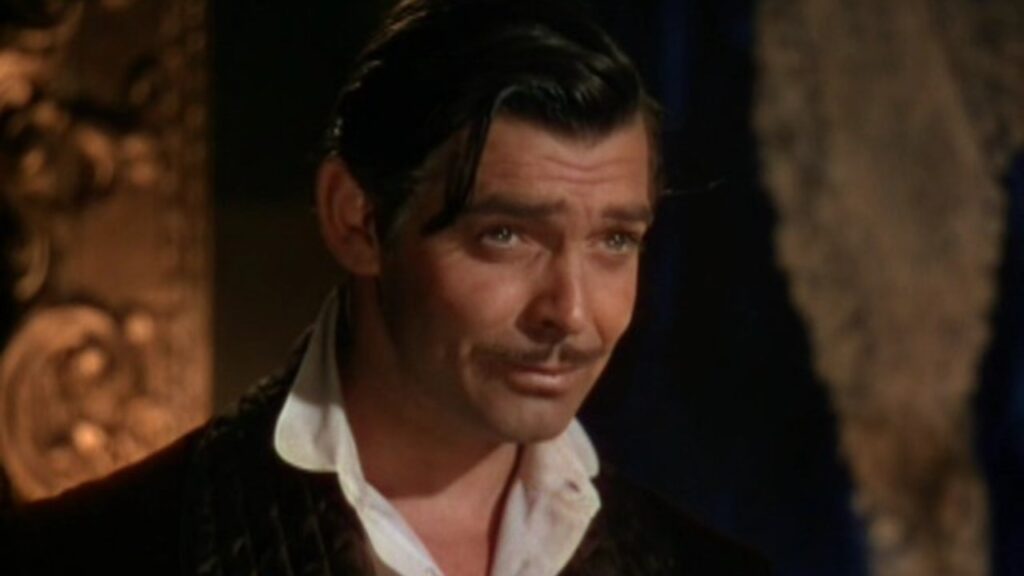
‘Gone with the Wind‘ won ten Academy Awards. Gable was nominated for Best Actor, but the Oscar went to Robert Donat that year. The story about the bathroom signs stayed buried for decades. It makes the modern view of the movie more complicated, since the film is often criticized for making the Confederacy look noble.
For the Black extras who risked their jobs to knock on his door, Gable’s help was instant and total. He couldn’t fix the racism in the script, but he refused to let his own workplace be run by the same bigotry they were filming. That day, the King didn’t just act like a movie star; he acted like a studio head. He used his power not for a bigger trailer, but for simple, radical equality.
As Bluett put it, “He cussed like a sailor… and the signs came down immediately.“
You might also want to read: The Marilyn Monroe Movie So Chaotic It Ended With a Hollywood Legend Publicly Mocking Her