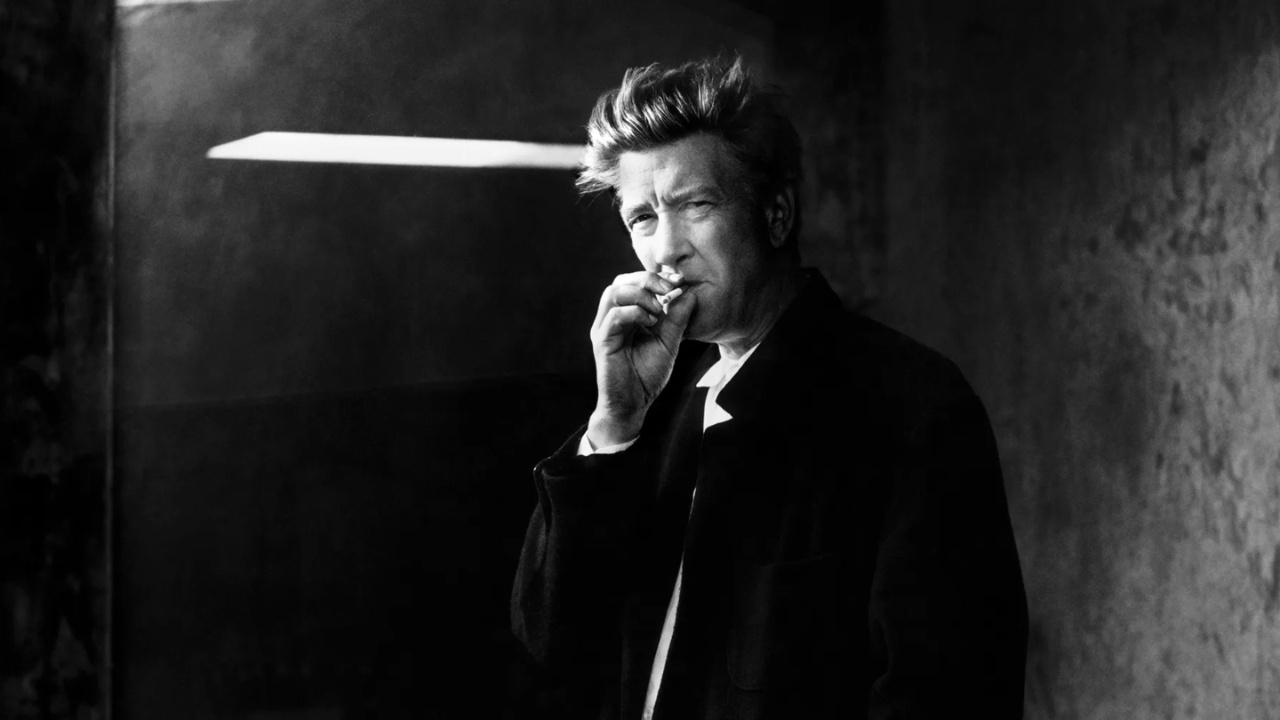
In 1993, the weirdest thing on Japanese television wasn’t a game show or an anime. It was canned coffee, filtered through the mind of David Lynch.
Two years after ‘Twin Peaks‘ collapsed on American television, the show found an unlikely second life in Japan, where its cult status turned into something closer to obsession. Fans held mock funerals for murdered homecoming queen Laura Palmer, drawing crowds of genuinely grieving viewers, and the film prequel ‘Fire Walk With Me,’ which flopped at home, actually did well in Japan. Coca-Cola’s Japanese arm took notice. Its top-selling canned coffee brand, Georgia Coffee, hired Lynch himself to direct a series of commercials starring the original cast, playing their roles again as if the show had never ended.
Inside the Making of the Georgia Coffee ‘Twin Peaks’ Ads
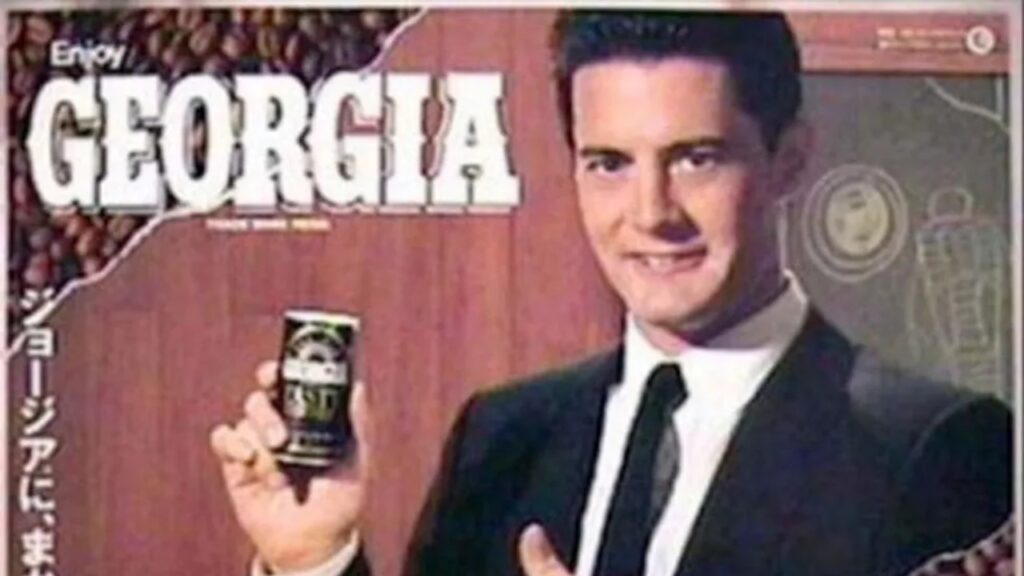
Working through the agency McCann-Erikson Tokyo, Lynch shot the spots in 1993 with Kyle MacLachlan, Madchen Amick, Michael Horse, Kimmy Robertson, Dana Ashbrook, and Catherine Coulson, rebuilding the show’s sets at Raleigh Studios in Hollywood. What came out of it was basically a secret seventh episode. The four 30-second spots played like a kind of “season 2.5,” following Agent Cooper as he helps a Japanese man named Ken track down his missing wife. Badalamenti’s score ran through each one, pulling the fictional world of ‘Twin Peaks‘ back together even while the ads were still trying to sell a can of coffee.
Related: Christopher Nolan Nearly Gave Up on This David Lynch Classic Before It Changed His Career
Lynch, true to form, enjoyed working inside the limits. Talking to biographer Chris Rodley for the book ‘Lynch on Lynch,’ he remembered the job fondly. He said the speed of packing a story into four quick spots was part of what made it fun: “Those were really fun to do. They were only 30 seconds apiece, four of them, things have gotta move real fast.” He also seemed genuinely charmed by how huge Japan’s canned coffee market was, a category he found both odd and massive at once. By his count, there were something like 150,000 kinds of canned drinks sitting on Japanese shelves, with new ones showing up all the time, and Georgia was the top seller of them all.
Why Coca-Cola Pulled the Plug on the ‘Twin Peaks’ Commercial Series
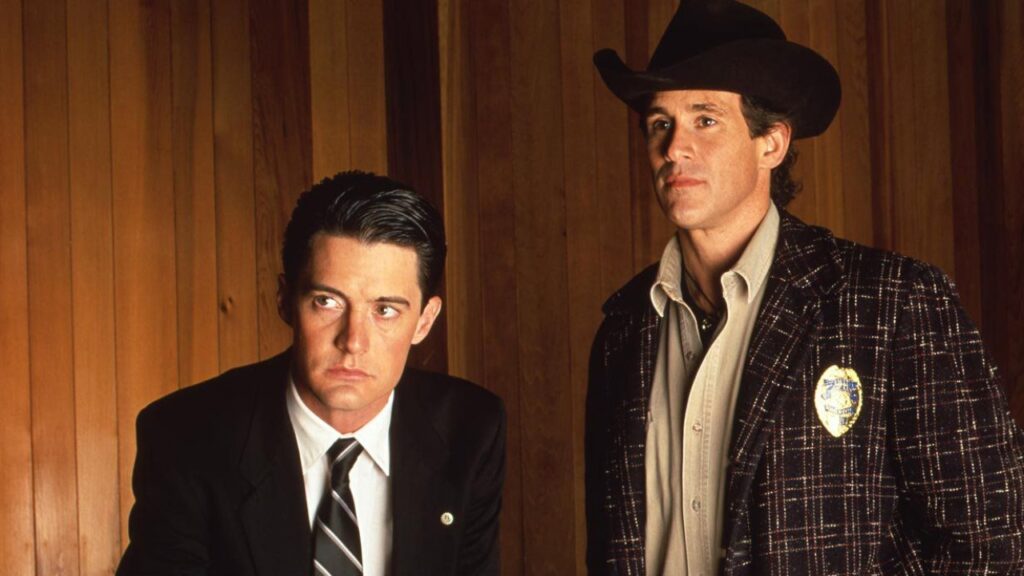
But the client wasn’t nearly as taken with the results as fans would later be. Coca-Cola had originally ordered eight commercials spread across two years, four in 1993 and four more meant to follow. Only the first batch ever made it to air. According to Lynch, the company found his surrealist fever dream, with its flickering lights, the Log Lady’s cryptic lines, and a detour through the Black Lodge, a bit too strange for a coffee ad. The canners, he later said, just wanted something safer. They wanted ads that were more ordinary, and that’s exactly why the partnership never made it to a second round.
In case you missed it: The David Lynch Sitcom That Came Nowhere Close To ‘Twin Peaks’
Academics have been kinder to the ads than the client ever was. Scholars have pointed to the commercials as a surprisingly effective example of squeezing long-form, director-driven storytelling into the tight, product-focused format of advertising. They argued that the story could have easily run much longer if Georgia Coffee hadn’t cut it off after four installments. One especially devoted YouTube commenter, quoted in that same academic writing, called the last installment the closest thing fans would ever get to a real ending for ‘Twin Peaks,’ a claim that held up until Showtime brought the series back in 2017.
Where to Watch the Lost David Lynch Coffee Commercials Today
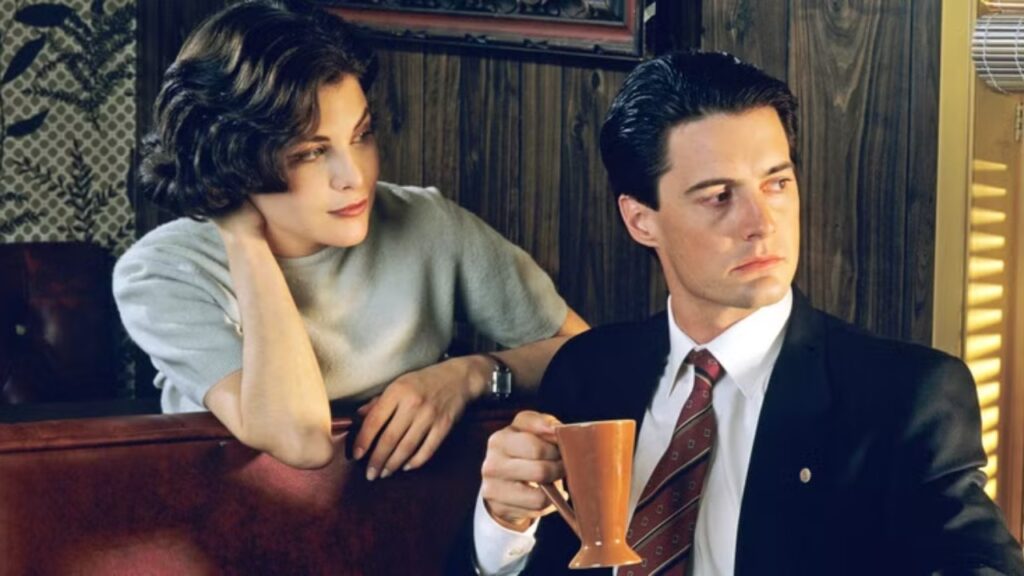
For years, the ads lived on as a kind of underground curiosity, tucked into the original ‘Twin Peaks‘ complete series DVD box set but quietly left out of the later Blu-ray collection. It left YouTube as the only place people could still watch Special Agent Dale Cooper give his verdict on a can of Japanese coffee: damn fine, thumbs up, cut.
The lesson seems to have followed Lynch around. It wasn’t the last time a brand pulled him into its world and then got nervous about what he handed back. They wanted a jingle, and instead they got the Black Lodge.
You might also want to read: Why David Lynch Could Never Get ‘Ronnie Rocket’ Made