

Long before ‘Twin Peaks‘ turned him into a television icon and his reputation as a master of surrealism was firmly established, David Lynch became obsessed with a project he could never quite bring to life. That project was ‘Ronnie Rocket,’ an eccentric screenplay he spent nearly 50 years revisiting, revising, and trying to get made but to no avail.
Despite attracting interest from major producers and studios throughout his career, the film never moved beyond the development stage. Nearly half a century after Lynch first conceived it as a follow-up to ‘Eraserhead,’ ‘Ronnie Rocket’ remains one of Hollywood’s most famous unmade movies and perhaps the greatest what-if in the director’s filmography.
The Wild Story Studios Couldn’t Understand
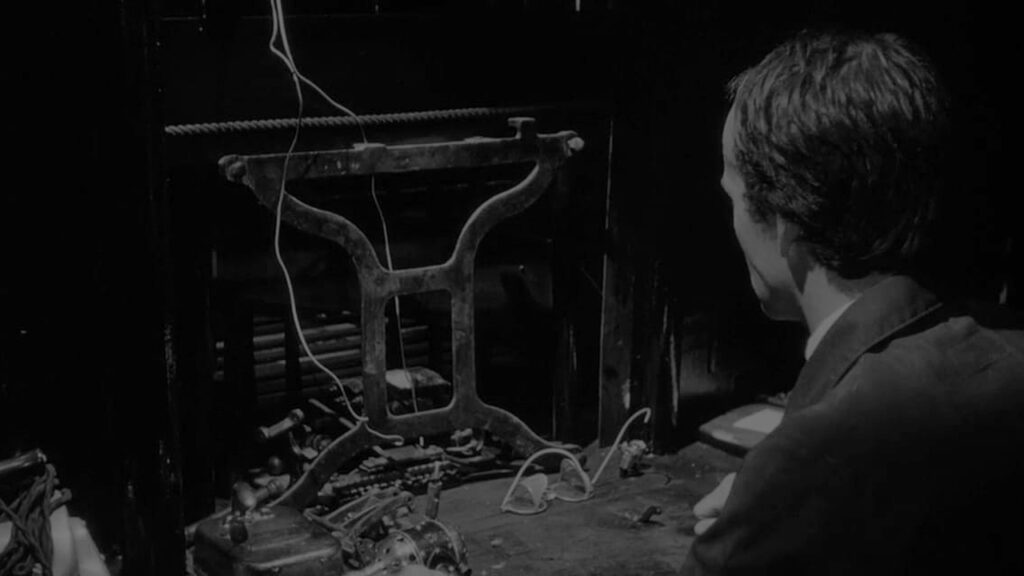
The biggest obstacle facing ‘Ronnie Rocket’ might have been its premise. Even people who admired Lynch’s work struggled to understand exactly what the film was supposed to be, let alone how it could be marketed to a mainstream audience.
Related: David Lynch Was “Kindly Asked” To Delete The ‘Barbie’ Short Film From His Website
When one studio executive asked Lynch what the movie was about, the director reportedly replied, “Electricity and a three-foot guy with red hair.” The executive never called back. Well, that description wasn’t entirely inaccurate.
The screenplay takes place in a surreal industrial city called Filadelfia and follows two interconnected storylines. One centers on a detective who discovers he can enter another dimension simply by standing on one leg.
Inside this strange realm, he encounters mysterious forces and bizarre figures known as the Donut Men, trenchcoat-wearing enforcers who use electricity as a weapon. The second storyline follows Ronald d’Arte, a boy left permanently three feet tall after a botched operation.
Ronald survives only through a constant supply of 60-cycle alternating current electricity. While he suffers agonizing withdrawal without it, he once develops unusual abilities when connected to power and eventually transforms into a teenage rock performer known as Ronnie Rocket.
Even by Lynch standards, the screenplay was difficult to categorize. It blended science fiction, fantasy, mystery, music, noir, and surrealism into something that barely resembled a conventional Hollywood movie.
The Project Kept Losing Its Backers
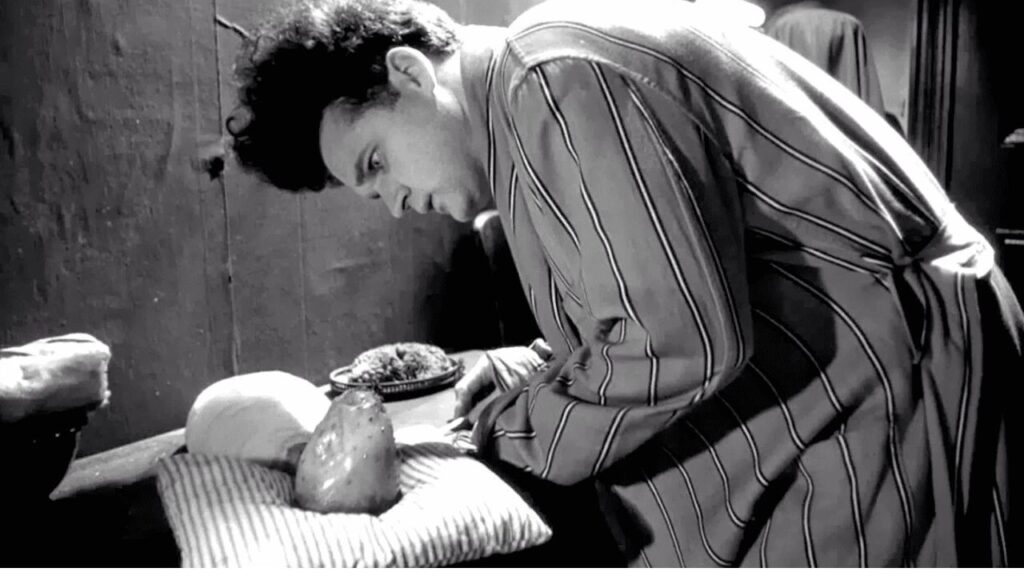
After ‘Eraserhead’ established Lynch as one of independent cinema’s most exciting new voices, he began looking for financial support to bring ‘Ronnie Rocket’ to the screen. One of the earliest opportunities came through Brooksfilms, the production company founded by Mel Brooks.
In Case You Missed It: Christopher Nolan Nearly Gave Up on This David Lynch Classic Before It Changed His Career
Brooks admired Lynch’s talent, but the company ultimately decided the screenplay was simply too unusual to justify the investment. Rather than financing the movie, Brooksfilms offered Lynch the chance to direct ‘The Elephant Man.’
That decision worked out remarkably well for Lynch’s career, but it also marked the beginning of a frustrating pattern. Over the following decades, several major production companies explored developing ‘Ronnie Rocket.’ Francis Ford Coppola’s American Zoetrope became involved at one stage.
Meanwhile producer Dino De Laurentiis also expressed interest in helping bring the film to life. Strangely, neither effort lasted as both companies encountered severe financial difficulties before production could begin. The repeated setbacks gradually gave Lynch’s unmade film a reputation as one of Hollywood’s cursed projects.
As Lynch’s profile continued to grow through films such as ‘Blue Velvet’ and later ‘Twin Peaks,’ opportunities to revisit the screenplay of ‘Ronnie Rocket’ occasionally resurfaced. Yet despite the director’s increasing influence, the project never gathered enough momentum to escape development hell.
Changing Landscape Derailed David Lynch’s Project
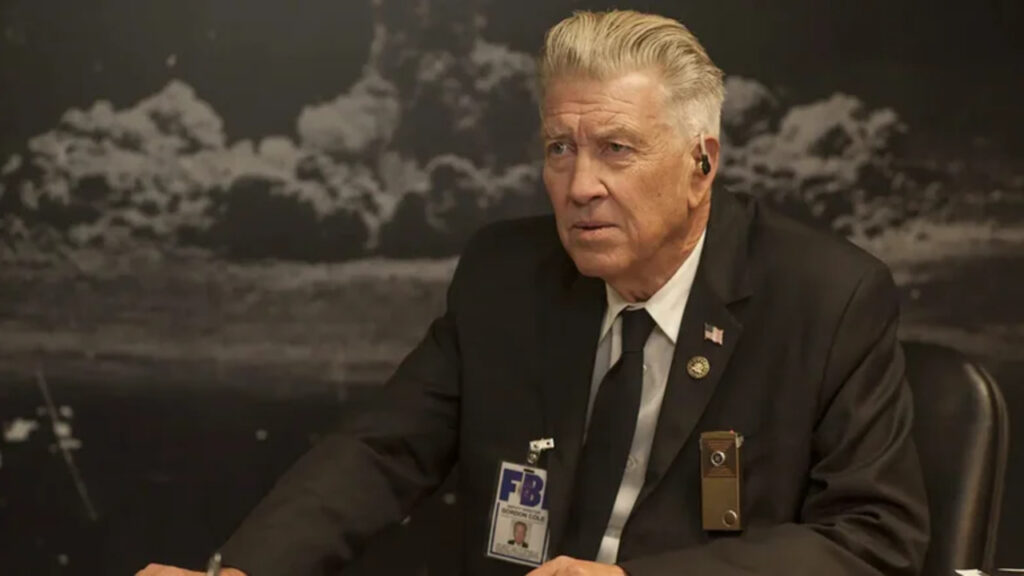
Even when financing appeared to be within reach, Lynch faced another unexpected problem. The physical world he had written into the screenplay was slowly disappearing around him. The director envisioned ‘Ronnie Rocket’ as a dark, dreamlike tribute to the industrial landscapes that fascinated him.
Massive factories, smokestacks, oil refineries, brick buildings, and flickering neon signs were all essential components of the film’s visual identity. By the time Lynch had enough industry clout to seriously revisit the project, many of those environments had changed dramatically.
While scouting locations in northern England, he discovered that modernization had transformed much of the industrial architecture he hoped to use. The places that inspired the screenplay no longer looked the way they had when he first imagined the story.
Lynch also became increasingly frustrated by the spread of graffiti, which he believed disrupted the timeless atmosphere he needed for the film. “Graffiti kills the possibility to go back in time and have the buildings be as they were,” he once lamented.
“Cheap storm windows and graffiti have ruined the world for Ronnie Rocket.” Eventually, Lynch accepted that the film might never happen. He later admitted that he never quite found the final creative breakthrough needed to fully unlock the screenplay and tie its ideas together.
Despite the odds, ‘Ronnie Rocket’ didn’t disappear completely. Many of its themes resurfaced throughout the rest of his career. Electricity, alternate dimensions, mysterious doubles, strange little figures, and dreamlike realities all became recurring elements in lynch’s works such as the 1990 show ‘Twin Peaks.’
‘Ronnie Rocket’ itself never reached audiences, but pieces of it survived in the projects that followed. That lingering mystery has only strengthened the movie’s reputation over the years, turning it into one of cinema’s most fascinating unfinished dreams.
You Might Also Like To Read: Timothée Chalamet And Selena Gomez Lead Illumination’s New Alien Adventure