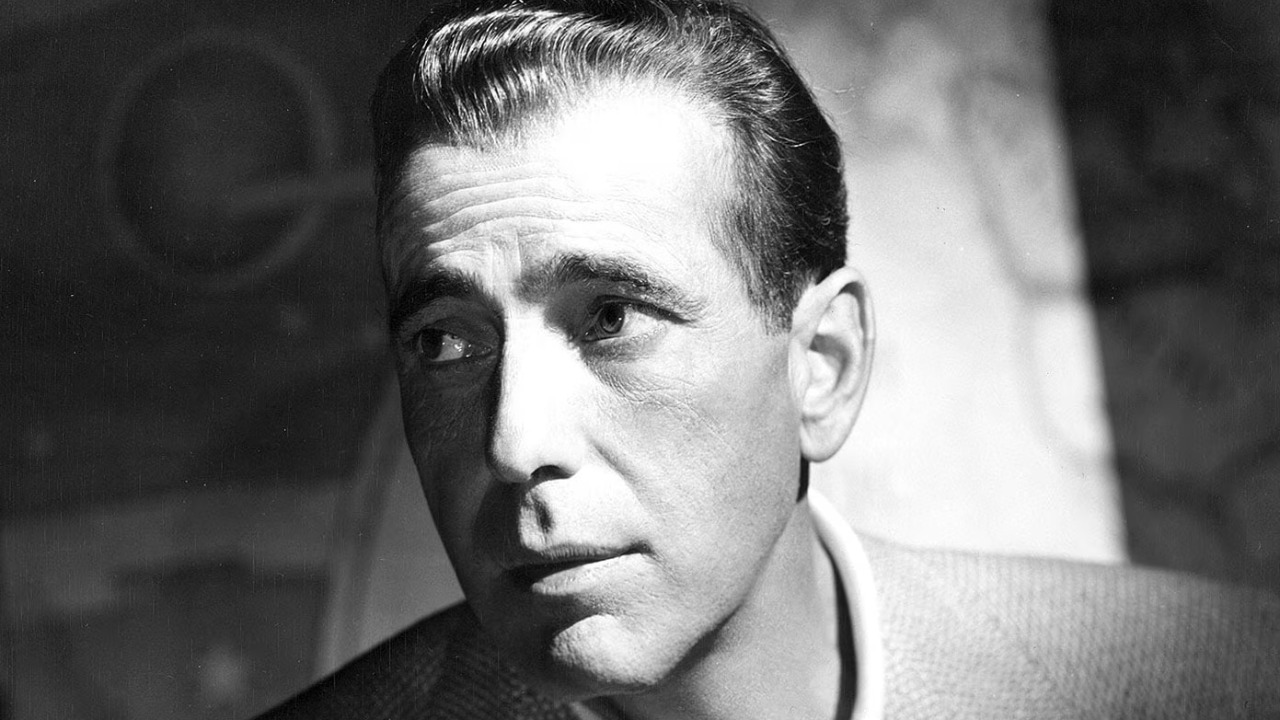
In the winter of 1940, Humphrey Bogart’s obituary was already being drafted. Not for the man, but for the career. After clawing his way out of Broadway and enduring a brutal contract at Warner Bros., the 41-year-old actor found himself typecast as a stock villain in B-movies. Studio boss Jack L. Warner famously loathed his attitude, and the public seemed indifferent to the balding, lisping character actor with the scarred lip.
Then, against all odds, a dusty novel titled ‘High Sierra‘ ripped up that obituary and rewrote cinema history.
How Paul Muni and George Raft’s Rejections Became Humphrey Bogart’s Salvation
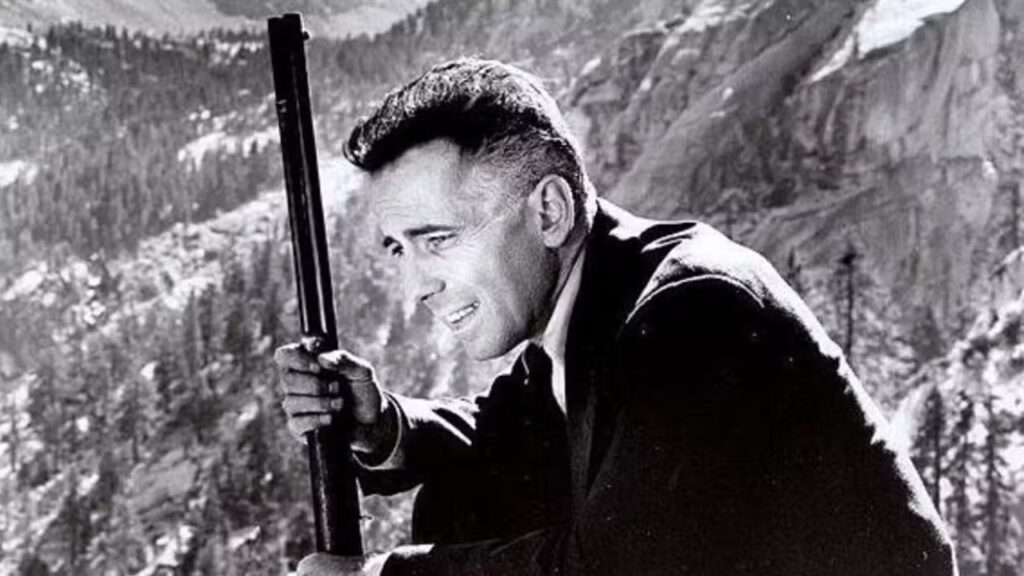
When Bogart signed on to play aging gangster Roy ‘Mad Dog’ Earle in Raoul Walsh’s 1941 masterpiece, he was not the first choice. He wasn’t even the second or third. According to archival production notes and the exhaustive biography ‘Bogart‘ by A.M. Sperber and Eric Lax, the role was a hot potato that the biggest stars of the day refused to touch. The part was written for Paul Muni, who walked out on Warners. It was then offered to George Raft, the ultimate arbiter of screen cool. But Raft, terrified of playing a character who dies at the end, turned it down, a decision he would regret for the rest of his life.
Related: Humphrey Bogart Admitted This Hollywood Legend “Scared the Bejeezus” Out of Him
Enter Bogart, desperate and hungry. He had read W.R. Burnett’s novel in Redbook magazine before it was even published. He knew Roy Earle was his ghost, a reflection of his own frustrations: a man past his prime, watching a new generation of “jitterbugs” ruin the game, yearning for one last shot at redemption.
The Birth of the “Bogie” Persona
To understand the desperation, one must look at the docket of humiliations Bogart endured in the years prior. In 1937, he was forced to play a henpecked father opposite child star Sybil Jason in ‘The Great O’Malley‘. On set, director William Dieterle bullied a young actress; Bogart, disgusted, reportedly unzipped his pants on camera to disrupt the take until he was allowed to act the scene his way. He was a caged animal.
In case you missed it: The Real Story Behind Humphrey Bogart’s Famous Feud With Marlon Brando
But ‘High Sierra‘ was different. The script, co-written by a then-unknown John Huston, offered Bogart the chance to bleed. Roy Earle is a murderer, but he is also a poet of the lost. He dreams of returning to a simple farm life. He tries to fix a young woman’s club foot out of misplaced chivalry. He adopts a stray mutt.
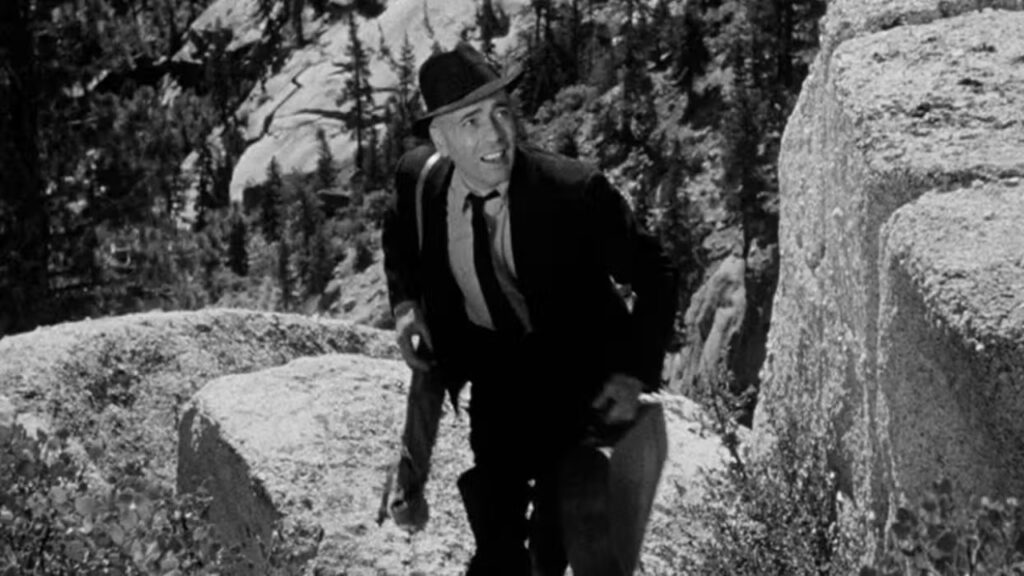
Critics at the time noted the “Wagnerian” quality of the film. The New York Times called it a “valedictory befitting a first-string god“. For Bogart, it was the first time the camera loved him, not despite his wrinkles, but because of them. When he exits prison at the start of the film, pale, thin, wearing a cheap black suit, he looked like a relic. By the time he is cornered by police atop Mount Whitney, breathing heavily and holding a gun, he had become an existential hero.
How ‘High Sierra’ Bridged Two Eras of Hollywood Crime Cinema
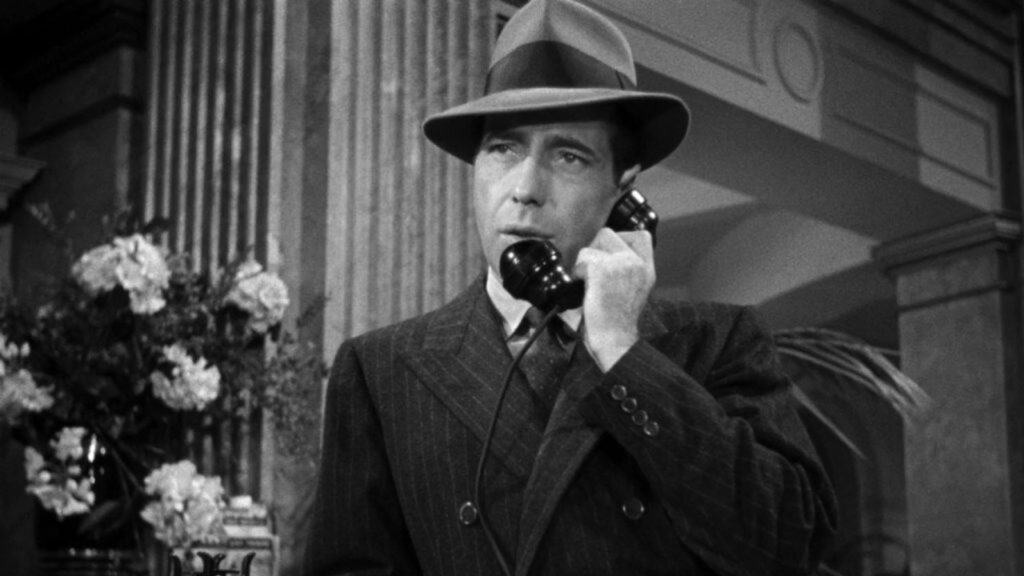
‘High Sierra’ bridged the gap between the snarling gangsters of the 1930s and the film noir anti-heroes of the 1940s. It proved that Bogart could carry a picture with “tensile authority.“
The numbers prove the miracle. Before 1941, Bogart was a supporting player languishing in the shadow of James Cagney and Edward G. Robinson. After ‘High Sierra,’ released just months before ‘The Maltese Falcon,’ he was at the top. John Huston, who became his lifelong collaborator, later admitted that the success of this film gave him the leverage to direct and to cast Bogart as Sam Spade.
Decades later, the American Film Institute would rank Bogart as the greatest male star of classic American cinema. But they were not measuring the icon of ‘Casablanca‘; they were measuring the survivor of ‘High Sierra‘.
For as Bogart himself once noted, the secret to Roy Earle was simple: “He has a code. He sticks to it. And even though it kills him, he wins.” It was the blueprint for a legend.
You might also want to read: Humphrey Bogart Almost Returned for a ‘Casablanca’ Sequel That Never Happened