
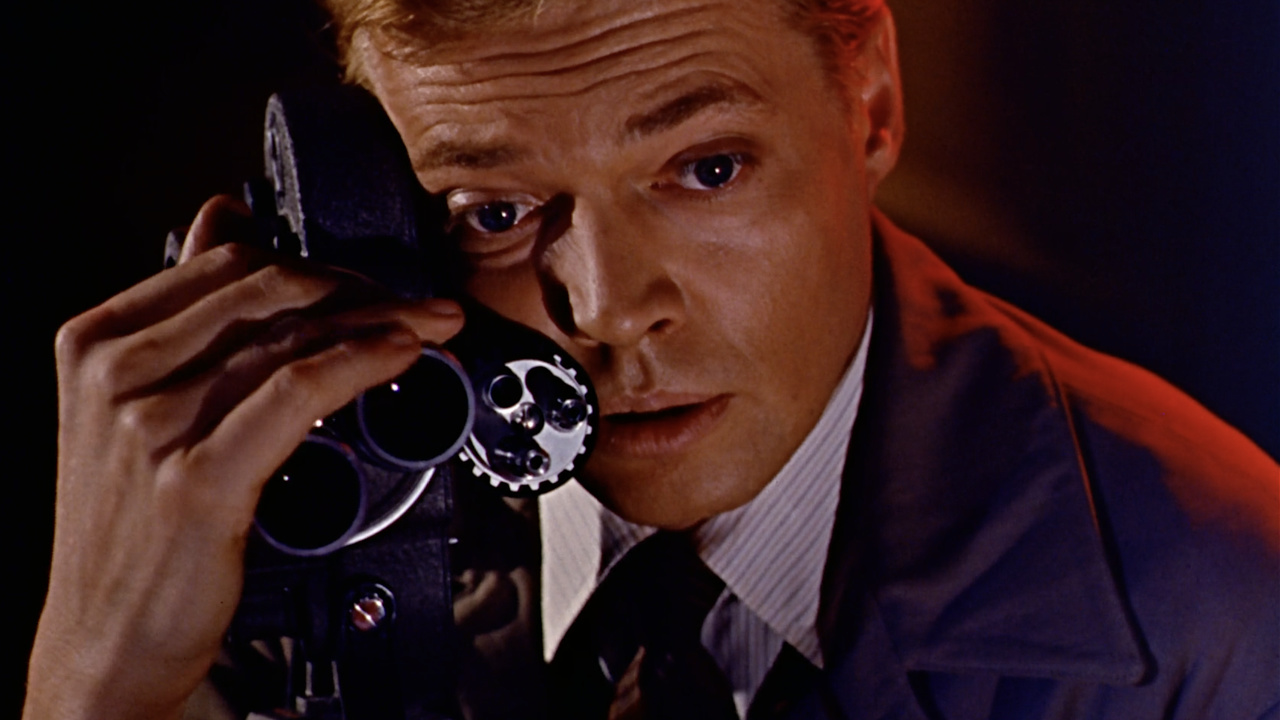
In the spring of 1960, Michael Powell was at the very top of British cinema. But by summer, he had become a pariah.
This was the man who gave the world the beautiful Technicolor romance, ‘The Red Shoes‘, and the heavenly fantasy, ‘A Matter of Life and Death‘. Still, he had now committed the ultimate sin against British decency. His crime was a low-budget horror film called ‘Peeping Tom,’ a creepy story about a serial killer who films his victims as they die.
The Most Shocking Film Reviews That Destroyed Michael Powell’s Reputation
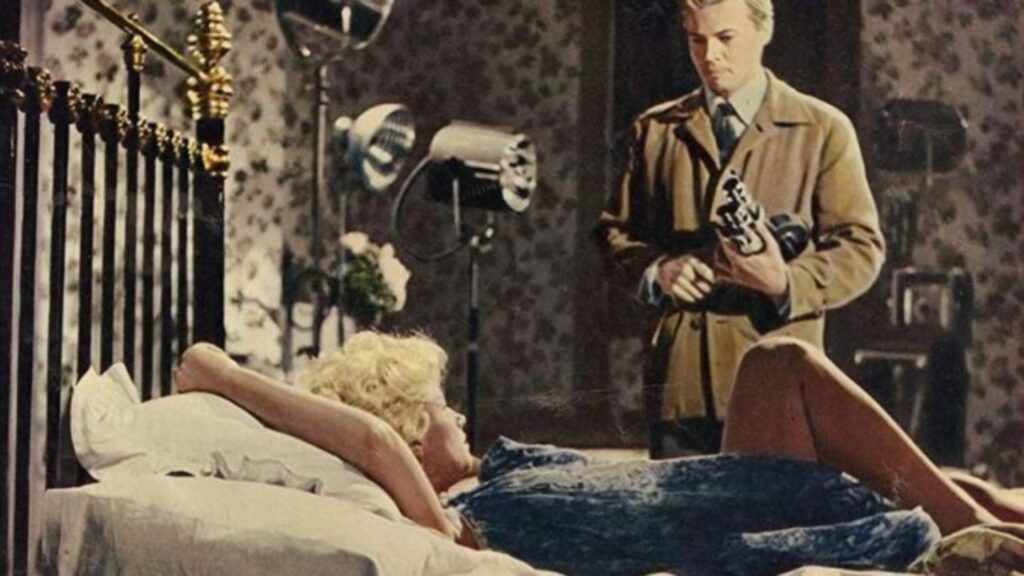
When the movie came out on April 7, 1960, the critics did not just hate it; they went crazy. The film not only shocked London, but it also destroyed one of the greatest directing careers in movie history.
Related: How ‘Sunset Boulevard’ Exposed Hollywood’s Darkest, Timeless Truths
Caroline Lejeune from The Observer walked out of the press screening in a dramatic huff. She wrote, “It’s a long time since a film disgusted me as much as Peeping Tom.” Her reaction sparked a mob attack from other critics.
The most famous insult came from The Tribune, which said, “The only really satisfactory way to dispose of Peeping Tom would be to shovel it up and flush it swiftly down the nearest sewer. Even then, the stench would remain.”
Len Mosley from the Daily Express famously claimed the film was more nauseating than the leper colonies of East Pakistan. But the harshest words came from Dilys Powell at The Sunday Times. She was not related to the director but called the movie “essentially vicious.”
And just like that, the director was labeled a pervert.
How the Film’s Voyeuristic Horror Made Audiences the Villains
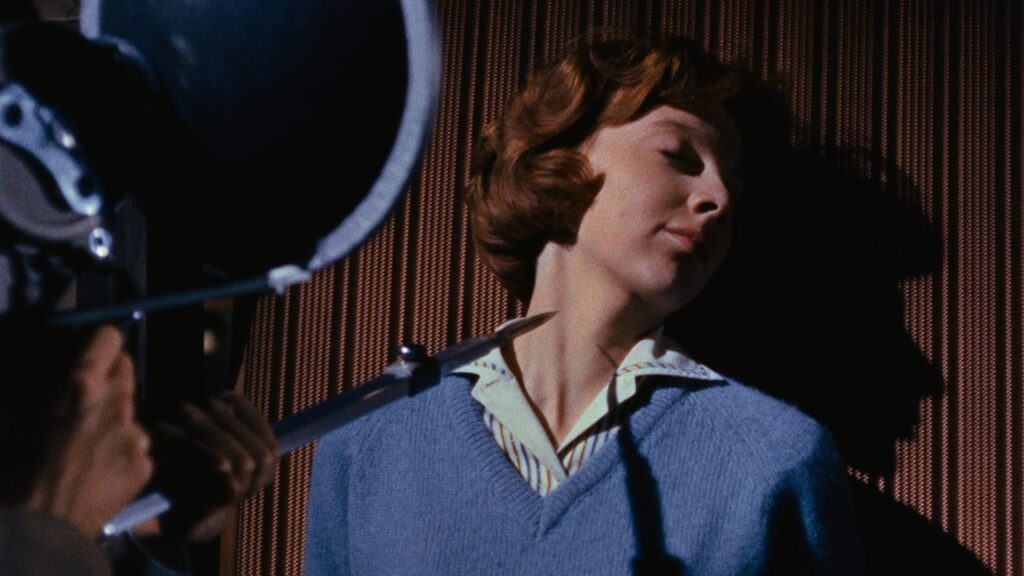
So why did everyone hate it so much? The violence was no worse than Alfred Hitchcock’s ‘Psycho‘, which came out a few months later and was a huge success. The real reason lies in how uncomfortable the film made the audience feel about themselves.
In case you missed it: The Dark Reality of Marilyn Monroe’s On-Set Struggles That Turned Hollywood Against Its Biggest Star
Here is the thing: ‘Peeping Tom‘ forces you to look through the killer’s camera. You do not just watch Mark Lewis kill people; you sit in his seat. You see through his viewfinder. For a moment, you share his thrill. The movie breaks down the very act of watching a film. It points a finger at the audience and calls them nosy accomplices.
Director Martin Scorsese later argued, “I have always felt that Peeping Tom and 8 1⁄2 say everything that can be said about filmmaking.” He added, “It shows the aggression of it, how the camera violates.”
Back in 1960, Britain was not ready for that truth. On top of that, the film made fun of the dirty relationship between Soho porn shops and the so-called respectable newspaper business. That was a direct attack on the very men writing the reviews. It was a movie about a filmmaker, made by a filmmaker, that suggested cinema itself was a kind of sickness.
The Career-Ending Backlash and Martin Scorsese’s Rescue of a Masterpiece
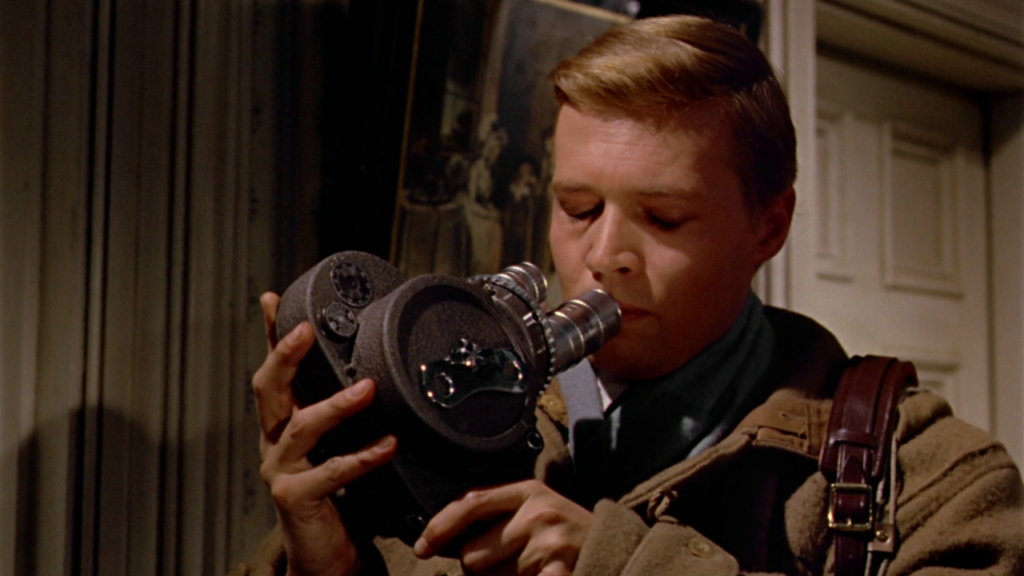
The backlash was immediate, and it killed Powell’s career. He could not get financing for new projects. The distributor, Anglo-Amalgamated, got scared of the scandal, pulled the film from theaters, and sold the negative to a black-market dealer. At 55 years old, Michael Powell, a giant of world cinema, could not find work in his own country.
As the BBC notes, “Condemnation of ‘Peeping Tom’ was almost universal.” And for Michael Powell, “the hostile reaction to this movie effectively ended his long and illustrious career.”
For twenty years, the film sat in the dark, like a forbidden footnote. Then things changed in the 1970s. It was rediscovered thanks to Scorsese, who loved Powell and helped pay for a new release. Today, ‘Peeping Tom‘ is seen as a masterpiece. It helped create the slasher genre and is a landmark of psychological horror.
Even the critics who destroyed Powell finally gave in. Dilys Powell, who helped ruin him, had a change of heart late in her life. She wrote, “Today, I find I am convinced that it is a masterpiece.” She added, “If in some afterlife conversation is permitted, I shall . . . apologise.”
That apology came 34 years too late. The film’s 50th-anniversary re-release is a chilling reminder: sometimes, the audience just cannot stand to look at the monster in the mirror.
You might also like to read: Why Greta Garbo Vanished From Hollywood After Her Most Talked-About Film










 sparked outrage, destroyed Michael Powell’s career, and later became a cult masterpiece of psychological horror.)