
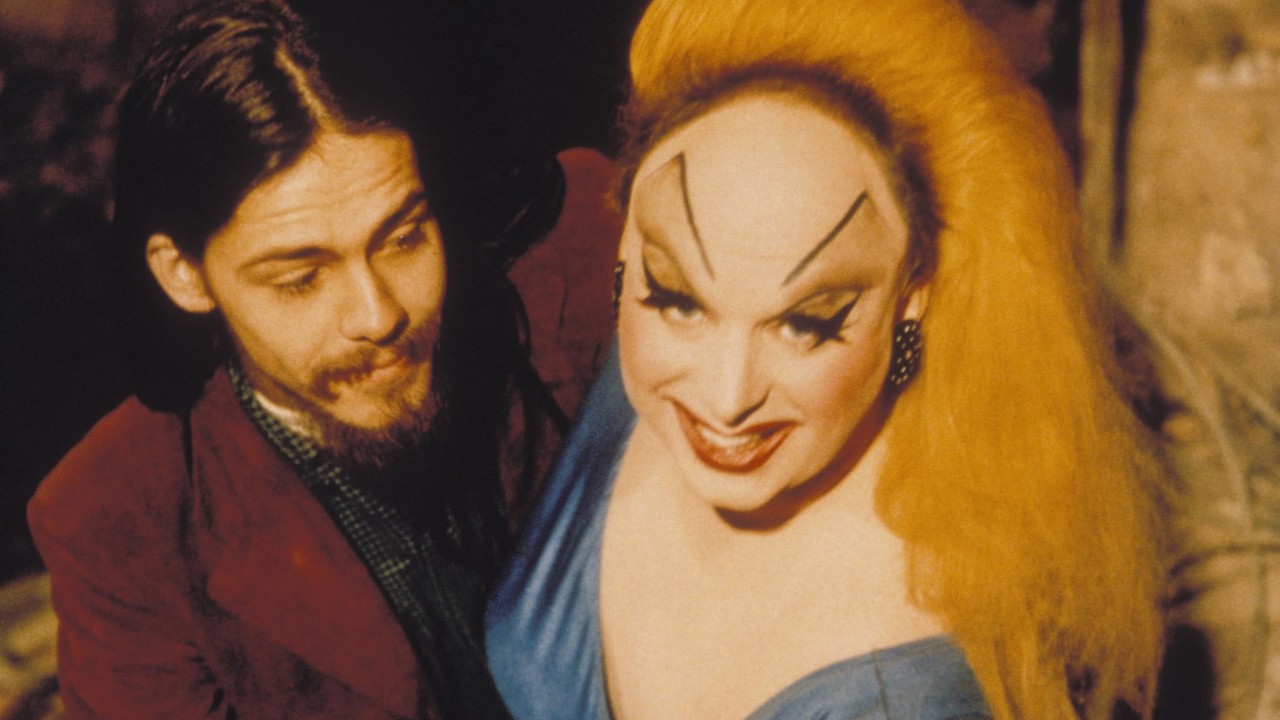
At a time when Hollywood rarely dared to cast doubt on the idealistic myth of the American Dream, a group of cinematic rebels in Baltimore set out to destroy it once and for all. ‘Pink Flamingos,’ directed by John Waters, which premiered in 1972, represented a masterfully executed attack on the saccharine image of middle-class American life. Utilizing a deliberately shoddy aesthetic and a passionate celebration of anything society would consider “trash,” Waters did not merely push the limits of good taste; he shattered them beyond recognition.
The key figure at the forefront of this cultural revolution was Divine, the iconic drag performer who, through sheer fearlessness, turned a low-budget exploitation film into a force of political defiance.
John Waters Used ‘Pink Flamingos’ To Revolt Against Mainstream American Culture
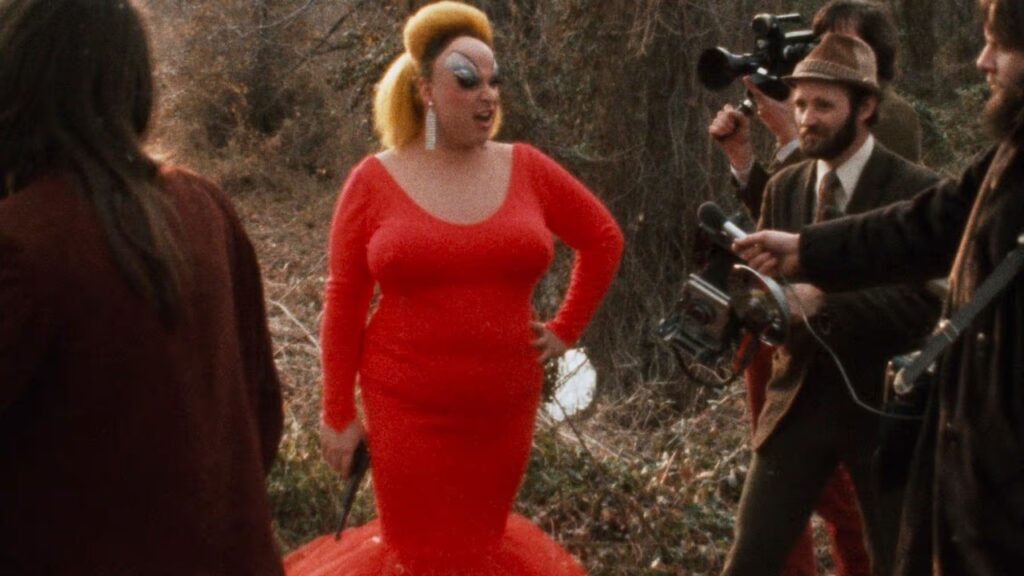
When John Waters released his film ‘Pink Flamingos,’ most audiences found it disgustingly shocking. Featuring outlandish acts, grotesque images, and scenes crafted to enrage viewers, it seemed like nothing but a cheap attempt at shocking audiences.
However, there was much more to Waters’ film than simply being outrageous. ‘Pink Flamingos‘ attacked the immaculate representation of the American middle class that dominated mainstream Hollywood movies.
While films usually portrayed respectable and morally upright characters, Waters decided to focus on the criminals and outcasts no one wanted to pay attention to. Moreover, he gave them the status of stars.
The plot of ‘Pink Flamingos,’ where Divine’s character of Babs Johnson competes with the Marbles for the title of “the filthiest person alive,” serves as a parody of American ambitions in the best sense of the word.
Related: ‘V For Vendetta’ Creators Reveal The Iconic V Mask Was Born Out Of A “Joke”
On the surface level, it mocks society’s excessive interest in status and success. However, by reversing moral hierarchies, Waters also shows that those who present themselves as respectable members of society are often the most corrupt individuals.
Indeed, while Babs openly enjoys her vulgarity, the allegedly respectable Marbles commit several crimes, including kidnapping. Thus, society’s obsession with seeming normal often masks corruption.
Moreover, the intentionally ugly style of the film further reinforces its anti-Hollywood message. Typically, movies feature elegant and highly polished aesthetics. They celebrate technical prowess and glamor.
Waters’ deliberate decision to go against these norms makes his film revolutionary. By celebrating “bad taste,” the director shows that culture does not need any approval from elite institutions to exist.
In many ways, ‘Pink Flamingos‘ ceases to be a film altogether and turns into an act of cinematic sabotage directed at the very core of respectable American culture.
Divine’s Performance Challenges Conventional Standards

At the center of ‘Pink Flamingos‘ stands the iconic drag performer, Divine, whose powerful screen presence elevated the film from mere underground entertainment to a piece of political defiance.
While Hollywood is only beginning conversations about gender identity, queer visibility, and body positivity, Divine appears on the screen as a character who openly rejects the conventional notion of beauty.
In other words, rather than fitting into the mainstream culture’s stereotypes, Divine challenges them through outrageous makeup, a confident attitude, and a willingness to offend.
Most importantly, Divine’s performance rejects any kind of approval. Previously, queer or gender-nonconforming characters on screen would appear as soft and tragically flawed beings that desperately needed sympathy.
Divine is none of these things. Instead, in Waters’ film, Divine comes across as a very confident personality, showing no shame in embracing vulgarity.
As a result, the character of Babs Johnson becomes a bizarre antihero—someone who is impossible to ignore despite being frightening.
In case you missed it: ‘Deadpool And Wolverine’ Trailer Hides Another Comic Book Reference Of Wolverine Costume. Here Is What It Means
John Waters knew perfectly well that the performance of Divine challenged everything that Hollywood stood for. While Hollywood produced glossy movie stars intended to appeal to the masses, Divine embodies excess and rebellion.
Thus, her performance also reflects the atmosphere of countercultural movements in the early 1970s. Underground artists of the period rebelled against institutional structures, rejecting cultural norms.
Over time, Divine became much more than a cult-film star. Her performance in ‘Pink Flamingos‘ marked a turning point for underground cinema.
Have you watched ‘Pink Flamingos‘? What do you think about it? Let us know in the comments section below.
You might also like to read: Who Is Paradox In ‘Deadpool And Wolverine’? New TVA Character Comics Origin And Powers Explained