Before the parody legend Mel Brooks decided to bring his characteristic humor into the realm of vampires, there existed an admiration for the glorious era of classic movie monsters. The colossal success of Brooks’ 1974 horror-comedy ‘Young Frankenstein‘ made him realize that the best parodies required a true love of their source material. But he had yet to find the suitable trigger to revive the formula of the genre in focus.
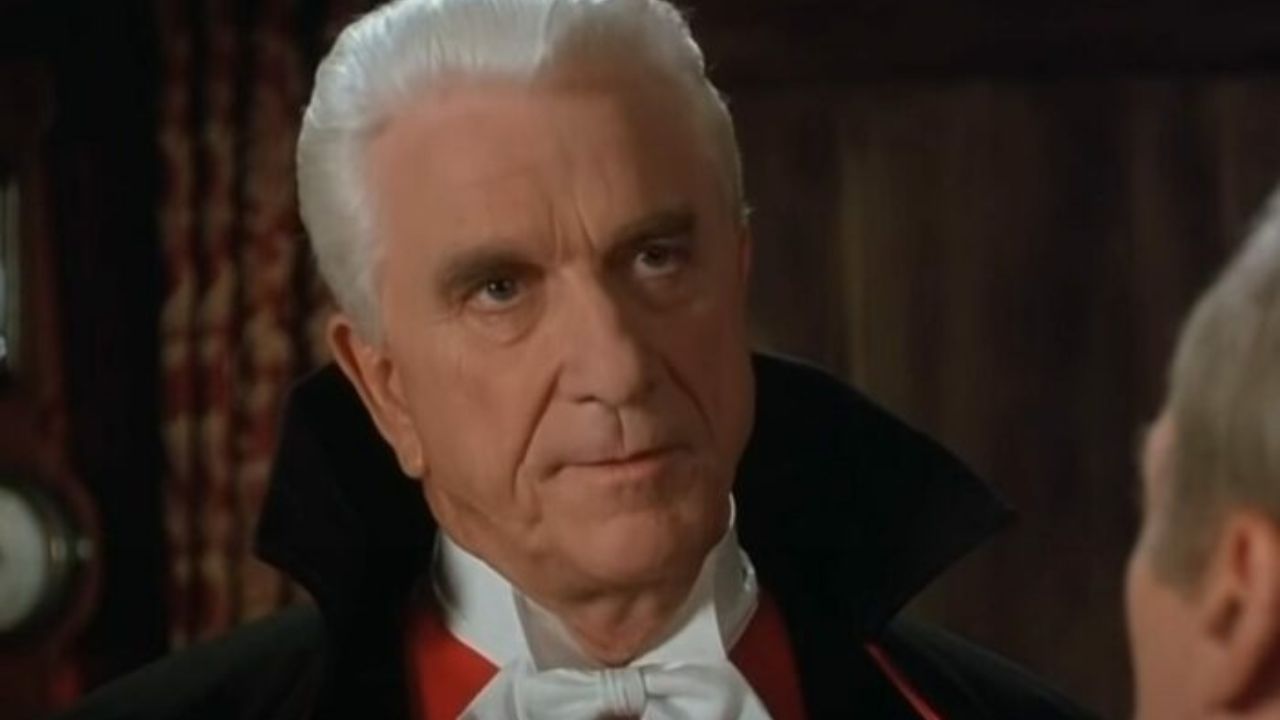
Fortunately, the perfect solution presented itself unexpectedly when he saw Leslie Nielsen in ‘The Naked Gun‘ films, one of the defining comedy franchises of the late 20th century. For the director, Nielsen seemed like the perfect choice to blend the world of famous monsters with pure comedy in ‘Dracula: Dead and Loving It‘ (1995).
How Nielsen’s Performance In ‘The Naked Gun’ Inspired Brooks
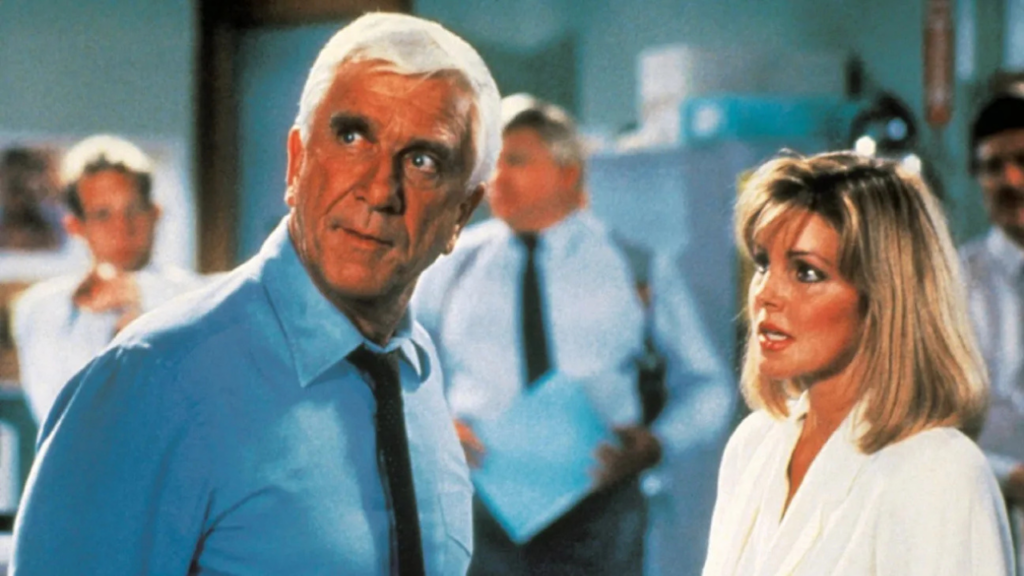
Mel Brooks drew inspiration for his project from ‘The Naked Gun’ movies (1988-1994) starring Leslie Nielsen. The actor’s ability to remain deadpan even in the most hilarious scenes amazed Brooks.
Related: Priscilla Presley’s Difficult Battles Against Laughing With Leslie Nielsen On ‘The Naked Gun’ Set
Recalling the moment in his memoir, ‘All About Me!: My Remarkable Life in Show Business,’ Brooks wrote, “It all came together in my head when I saw Leslie Nielsen in the Naked Gun series and was tickled by his deadpan portrayal of his character in the midst of comedy chaos.”
Nielsen’s knack for staying serious in the most absurd situations allowed him to think of Count Dracula. As a result, he envisioned Nielsen as the monster who is funny yet sincere in his intentions. He became convinced that the actor possessed the qualities needed to lead a Dracula parody.
The realization proved to be a turning point that eventually led to the making of ‘Dracula: Dead and Loving It’ in 1995. But what made Brooks choose Dracula as the main antagonist and an unredeemable villain?
Why Dracula Became Brooks’ Next Horror-Comedy Project?
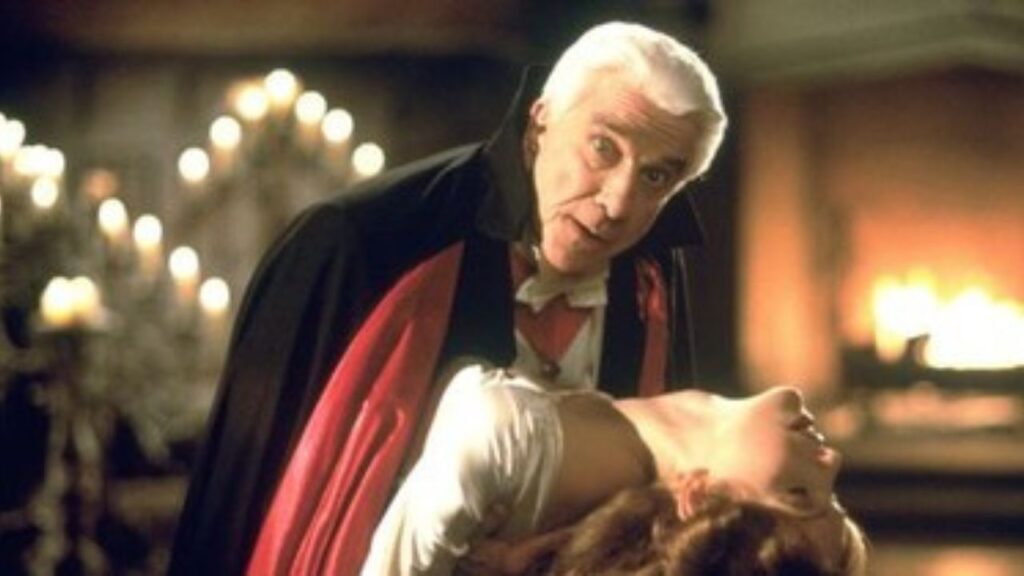
While Nielsen finally brought his idea to fruition, Brooks’ desire to make a horror comedy had been brewing for years. After his success with ‘Young Frankenstein,’ the director had always wanted to revisit the genre because. In his opinion, only people truly passionate about the subject could create the best satires.
In Case You Missed It: ‘Nosferatu’: Are Count Dracula And Count Orlok Same?
When Brooks was reflecting on the famous monsters of classic horror cinema, he found himself particularly drawn to Count Dracula from ‘Dracula’ (1931). To him, Bela Lugosi’s portrayal of the vampire was every bit as iconic as Boris Karloff’s portrayal of Frankenstein’s monster in ‘Frankenstein,’ released in the same year.
“To me, the best cinema spoofs are made by directors who love the subject they are satirizing. I’ve never poked fun at any genre that I didn’t absolutely love,” Brooks wrote in his memoir. That affection for classic horror informed his approach to the film from the outset.
With deep admiration for Universal Pictures’ legendary monster movies, Brooks saw Dracula as the ideal subject for another affectionate parody. Once Nielsen entered the picture, he finally had both the perfect character and the perfect star to bring the long-gestating idea to the screen.
You Might Also Like To Read: What Was The Original Ending Of ‘When Harry Met Sally’?