Most major studio films spend months in post-production before being tested by a test audience. Visual effects are completed, music is recorded, and editors polish every scene before anyone outside the production sees the movie. In early 1984, director Ivan Reitman took a very different approach with ‘Ghostbusters’.
Only a few weeks after filming wrapped, Reitman screened an unfinished version of the film for a preview audience in Burbank. The cut lacked completed visual effects, featured no finished score, and even included scenes that had not yet been assembled. Despite those limitations, the audience response convinced Reitman that the film already had everything it needed to succeed.
A Preview Screening Unlike Anything Audiences Expected
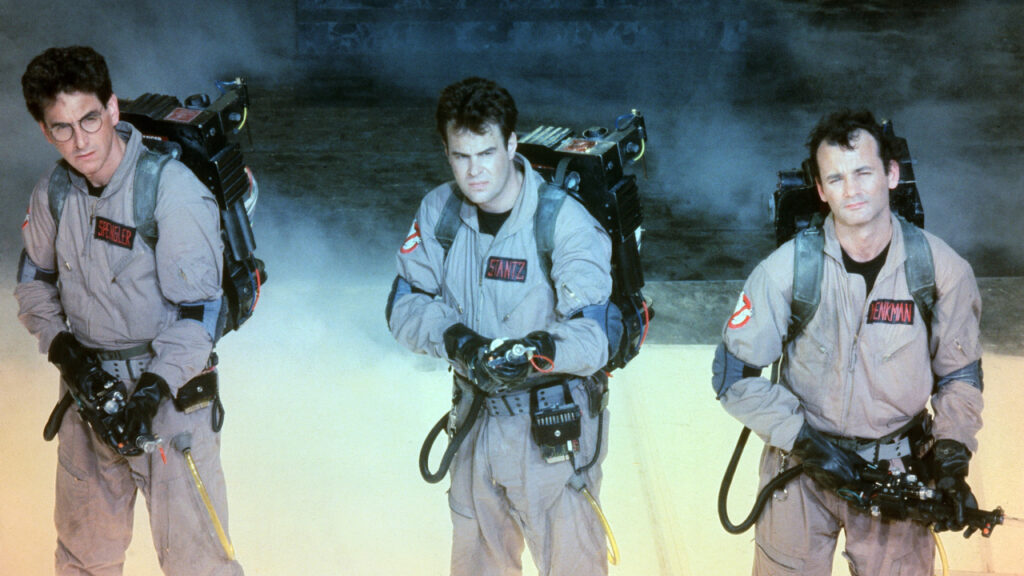
Production on ‘Ghostbusters’ lasted 62 days, running from October 1983 through January 1984. Rather than waiting for post-production to be completed, Reitman organized a test screening in February, roughly three to four weeks after principal photography ended.
Speaking at CinemaCon in 2021, he recalled that the film was reasonably well edited but contained virtually no visual effects.
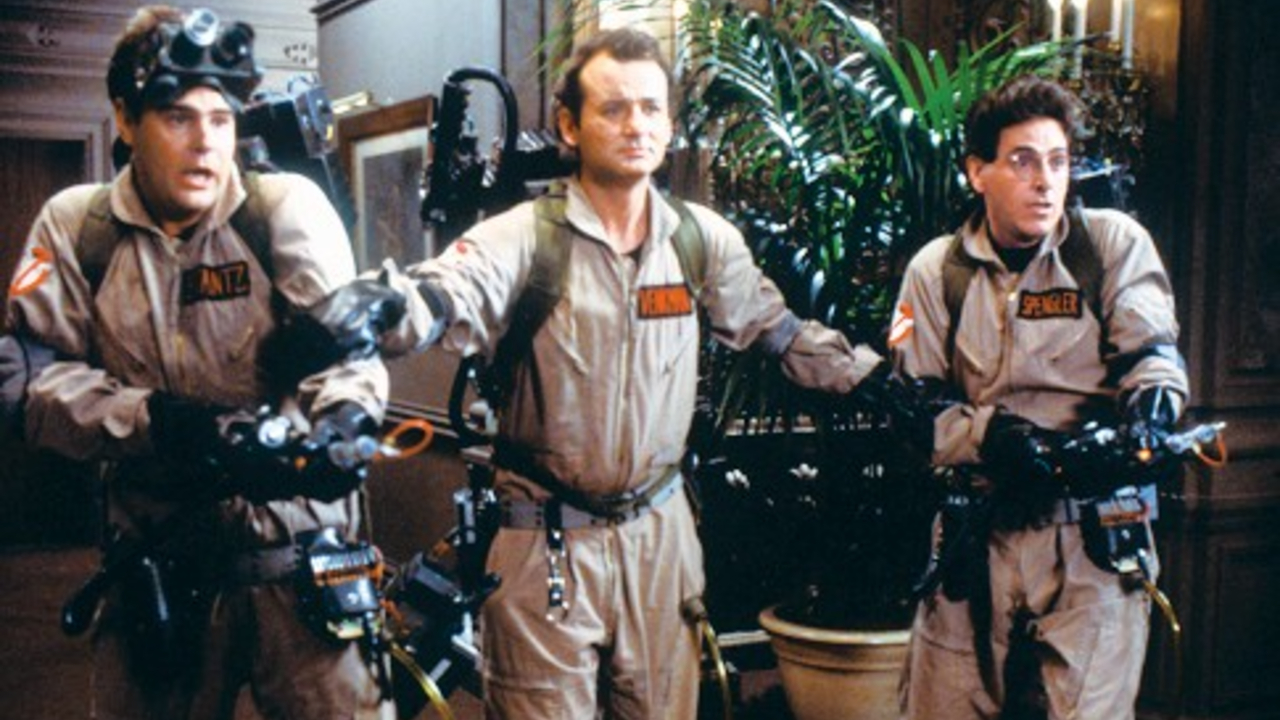
That created some unusual moments during the screening. When the Ghostbusters fired their proton packs, audiences saw the actors holding equipment, but no energy beams appeared on screen.
One of the film’s most memorable supernatural sequences involving Dana Barrett’s refrigerator had not been completed at all. Instead of the finished shot, viewers were greeted by a simple placeholder card reading “scene missing.“
Years later, director Jason Reitman presented the same preview version at a special screening and warned attendees about what they were about to see.
There was no completed score, no Ray Parker Jr. theme song, and sections of the film played in complete silence. Modern audiences often associate ‘Ghostbusters’ with its music as much as its comedy, making the absence of both especially striking.
Even with those missing elements, the crowd remained engaged. The audience laughed at the jokes, connected with the characters, and remained invested in the story.
Reitman later remembered hearing occasional groans when unfinished sequences appeared, but the overall response remained overwhelmingly positive.
Related: “I Try To Make Him Feel Bad About Himself”: Carrie Coon Reveals She Never Laughs At ‘Ghostbusters: Frozen Empire’ Co-Star Paul Rudd’s Jokes
The Missing Effects That Worried Ivan Reitman Most
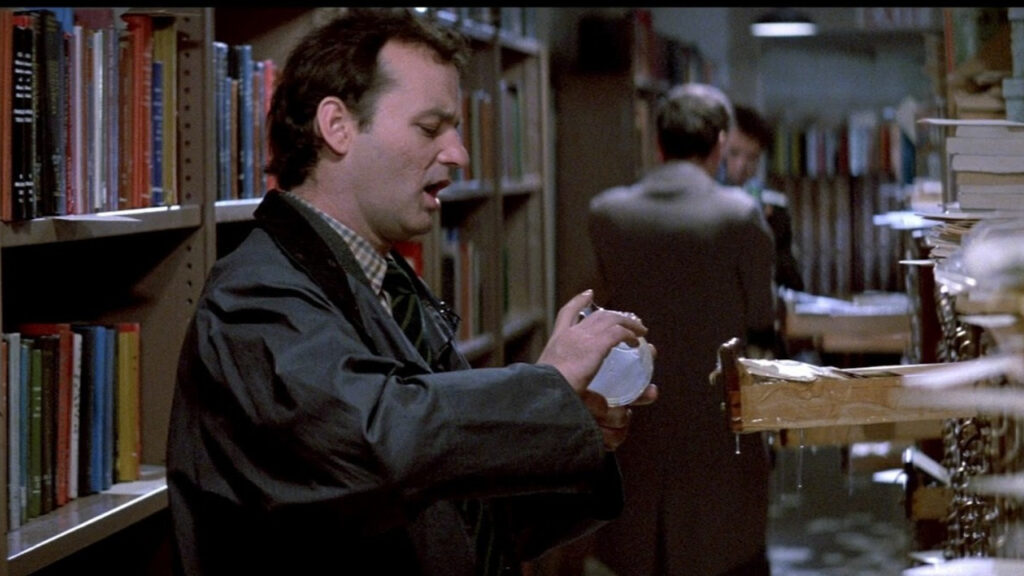
The unfinished visual effects created another source of anxiety for Reitman. The film depended heavily on audiences accepting ghosts, supernatural creatures, and increasingly absurd situations.
Without completed effects, it was difficult to know whether viewers would embrace those ideas or reject them entirely.
One character that concerned him was Slimer. During the preview screening, the famous green ghost was represented by little more than a light turning on.
The visual effects team had not completed the character, leaving audiences to imagine much of what was supposed to be happening.
The bigger concern was the Stay Puft Marshmallow Man. Reitman later admitted that the giant mascot rampaging through New York City was one of the film’s biggest creative risks.
The concept could either delight audiences or push the comedy into unintended territory. Without finished effects, there was no reliable way to predict how viewers would react.
Ironically, a tremendous amount of work had already gone into designing Slimer. Special-effects artist Steve Johnson spent weeks refining the character and reportedly created multiple versions before receiving final approval.
After additional requests from Reitman and Dan Aykroyd, the ghost underwent further redesigns before becoming the Slimer audiences know today.
In case you missed it: Sam Reid Used Secret Selfies To Bond With ‘Interview With the Vampire’ Co-Star
Why The Audience Loved It Anyway
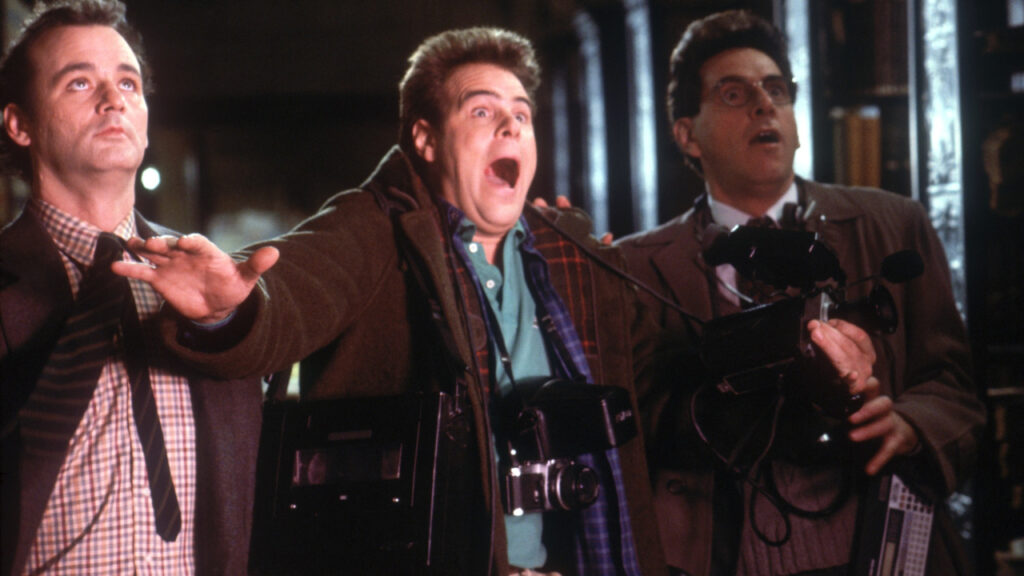
Despite unfinished effects, incomplete scenes, and missing music, the screening proved a success. The audience responded strongly to the film’s humor and connected with the chemistry between Bill Murray, Dan Aykroyd, Harold Ramis, and Sigourney Weaver.
Those elements worked even when many of the supernatural visuals had not yet been added.
The screening also validated Reitman’s belief that strong characters and storytelling mattered more than technical polish. If audiences invested in the people on screen, they would forgive temporary gaps in the presentation.
The reaction suggested that ‘Ghostbusters’ had already found its foundation before post-production was finished.
That result carried significant weight for Columbia Pictures. The studio had invested roughly $30 million in the project and faced uncertainty about whether a supernatural comedy could attract mainstream audiences. The enthusiastic preview screening provided early evidence that the gamble was paying off.
When ‘Ghostbusters’ arrived in theaters in June 1984, the missing pieces were finally in place. The visual effects were completed, Ray Parker Jr.’s theme song became a cultural phenomenon, and the Stay Puft Marshmallow Man earned his place in movie history.
Yet the February screening revealed something equally important: audiences had already embraced the film long before the ghosts ever appeared on screen.
You might also like to read: Paul Rudd Reveals The ‘Clueless’ Character He Actually Wanted To Play