In 1960, Alfred Hitchcock was at the top of his game. He had just made ‘North by Northwest‘, a beautiful widescreen movie full of color and spectacle. But for his next film, he did something that seemed like a step back. He shot ‘Psycho‘ in black and white.
This choice became one of the most famous gambles in movie history. It came from a need to save money, but also from a clever understanding of how to get inside an audience’s head.
Paramount Rejected ‘Psycho’ and Alfred Hitchcock Paid for It Himself
People like to say Hitchcock chose black and white for artistic reasons, but that is not quite true. The real story is more practical and shows how smart Hitchcock could be. When he took Robert Bloch’s violent novel to Paramount, the studio did not want it. Executives thought the story was “too repulsive” and “impossible for films.” They would not give him his usual budget.
Related: The Alfred Hitchcock Movie Ruined by 100 Uncooperative Cats
However, Hitchcock was determined to make the movie anyway. He paid for it through his own company, Shamley Productions, and gave up his $250,000 salary for a 60% share of the profits.
To keep the budget under $800,000, he made some sacrifices that ended up shaping the film’s look. He used the crew from his TV show ‘Alfred Hitchcock Presents‘. He shot on the Universal backlot, and most importantly, he used black-and-white film. “By the time of Psycho, Hitchcock had shot most of his films in colour for 12 years,” film historians point out. His first color movie, ‘Rope‘, came out in 1948. By 1960, color was the normal thing for big studio films. So going to black and white was a noticeable change, one that started with money problems.
How Black and White Made the Shower Scene More Terrifying
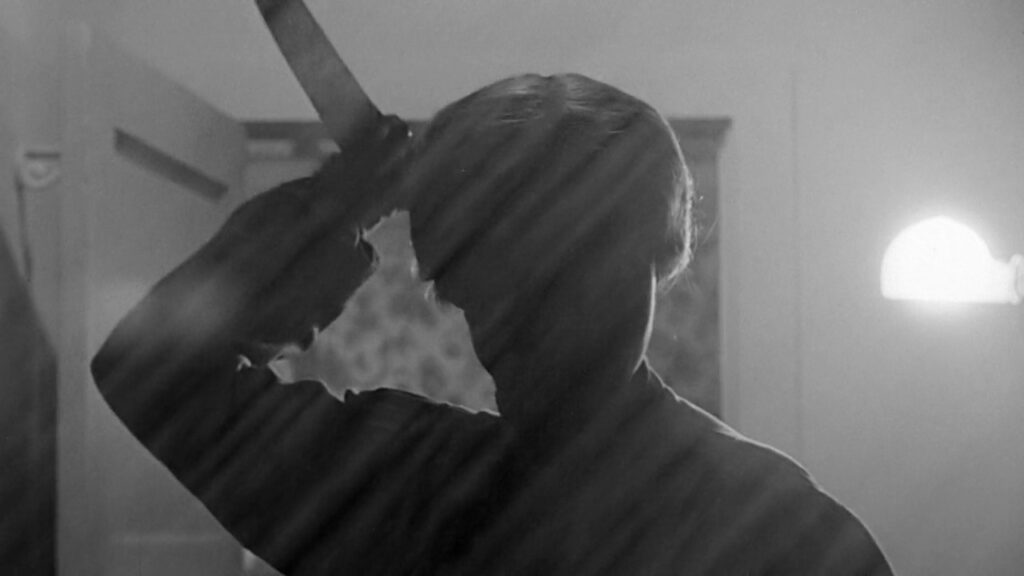
But Hitchcock was always in control, and he saw another benefit to the black-and-white look. It would let him get away with things that color would never allow.
In case you missed it: The Childhood Trauma That Sent Alfred Hitchcock Back to London for His Final Great Movie
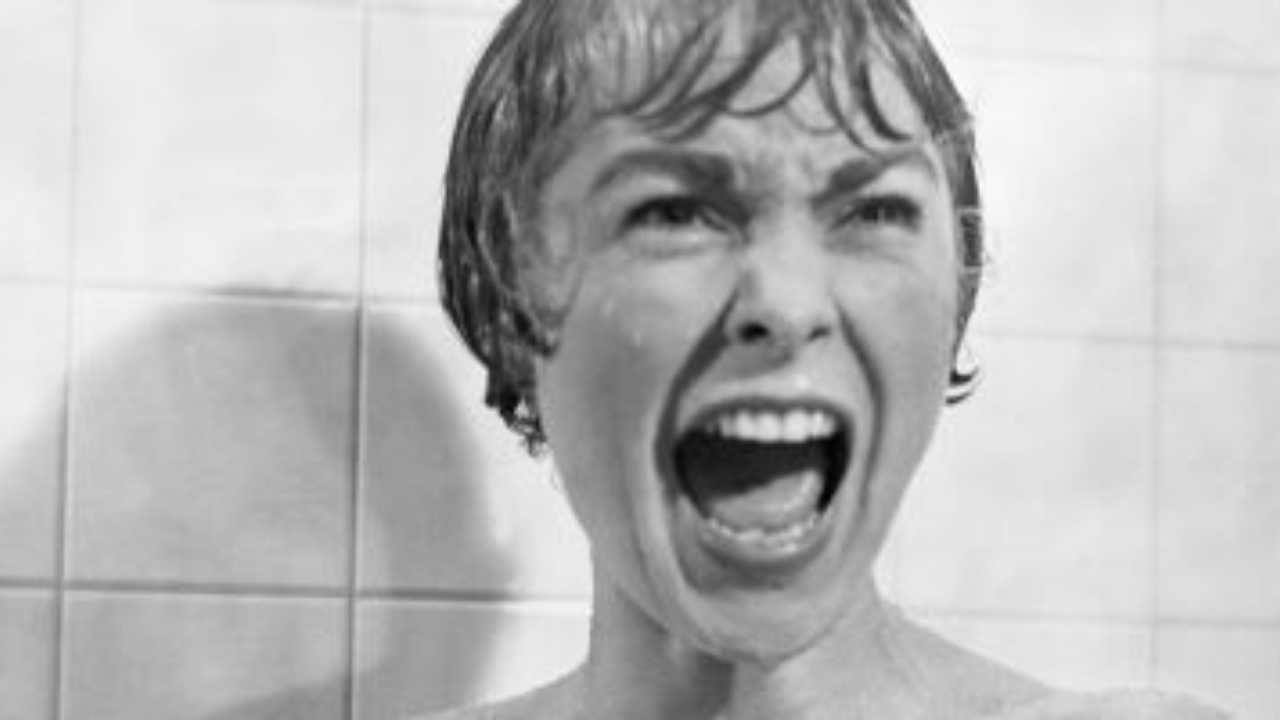
The famous shower scene lasts 45 seconds of terror and uses 78 different camera setups and 52 cuts. In Technicolor, it would have been a very different thing. “If I had done Psycho in colour, red blood in the shower scene would have disgusted viewers,” Hitchcock later said. “As it was would have disgusted me.” The black-and-white film turned the violence into something more abstract and psychological. The “blood” they used on set was actually chocolate syrup. It looked good in black and white and kept a sense of unreality that was easier to handle.
The censors in 1960 almost rejected the scene even without the color. The lack of red blood made a big difference. BFI Screenonline curator Michael Brooke said that “the shower scene in colour in 1960 would have just been unshowable.” Hitchcock knew that suggestion is always stronger than showing everything. The black-and-white let the audience’s mind fill in the gaps in a way that red corn syrup never could.
Why the 1998 ‘Psycho’ Remake Failed Without Black and White
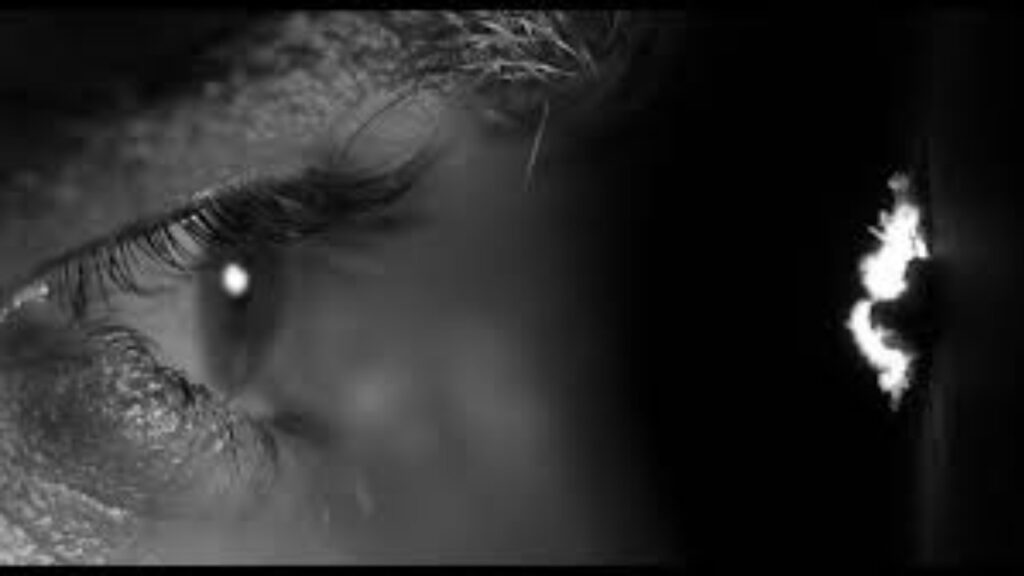
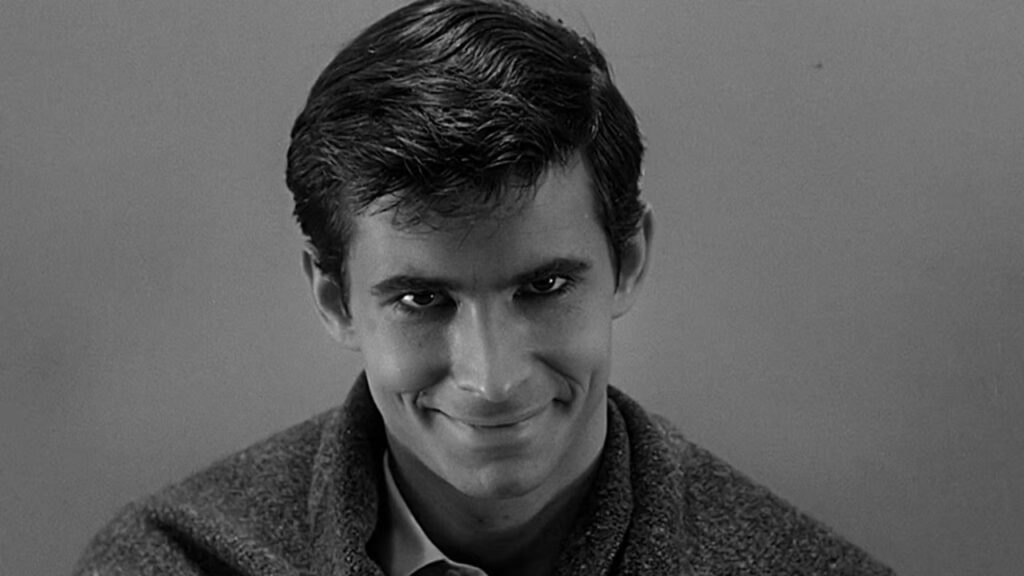
What started as a way to save money became a key part of the film’s creepy power. The black-and-white cinematography gave ‘Psycho‘ the raw feeling of a documentary or a low-budget movie. It was a clear break from Hitchcock’s usual polished thrillers. It created “the contrast between Norman Bates and his mother” and “the mysterious shadows of the Bates’ mansion.” Without color, the world of the film felt less like a fantasy and more uncomfortably real.
This choice turned out to be right. When Gus Van Sant remade ‘Psycho‘ in color in 1998, shot-for-shot, it did not have the same power. The bright colors did not make it scarier. They actually took away the menace. The remake proved what Hitchcock always understood. In the hands of a master, limits become freedom, and what is left out becomes just as important as what is shown.
Psycho was “intended to make people scream and yell,” Hitchcock admitted, “but no more than screaming and yelling on a switchback railway.” By shooting in black-and-white, a decision made because of budget limits and censorship, Hitchcock made more than just a shock machine. He made a lasting work of art. The black-and-white look turned out to be his best move, a practical compromise that became the heart of a masterpiece.
You might also want to read: The One-Word Reply From Alfred Hitchcock That Took 40 Years to Understand