
When ‘American Psycho‘ hit theaters in 2000, director Mary Harron never thought it would create a blueprint for becoming the “alpha male” of modern times. While Wall Street and internet subcultures have elevated Patrick Bateman to near-mythical status, Harron has always maintained that these fans are entirely missing the point of her classic work.
Many viewers now treat the luxurious lifestyle depicted in the film as a guide to self-improvement. But Harron and company never intended Patrick to become the poster boy for successful masculinity. Instead, the film ultimately functions as a satire adapted from a gay man’s perspective, one that mocks the performative rituals and social expectations often associated with heterosexual masculinity.
‘American Psycho’ Intended To Be A Satire On Traditional Masculinity
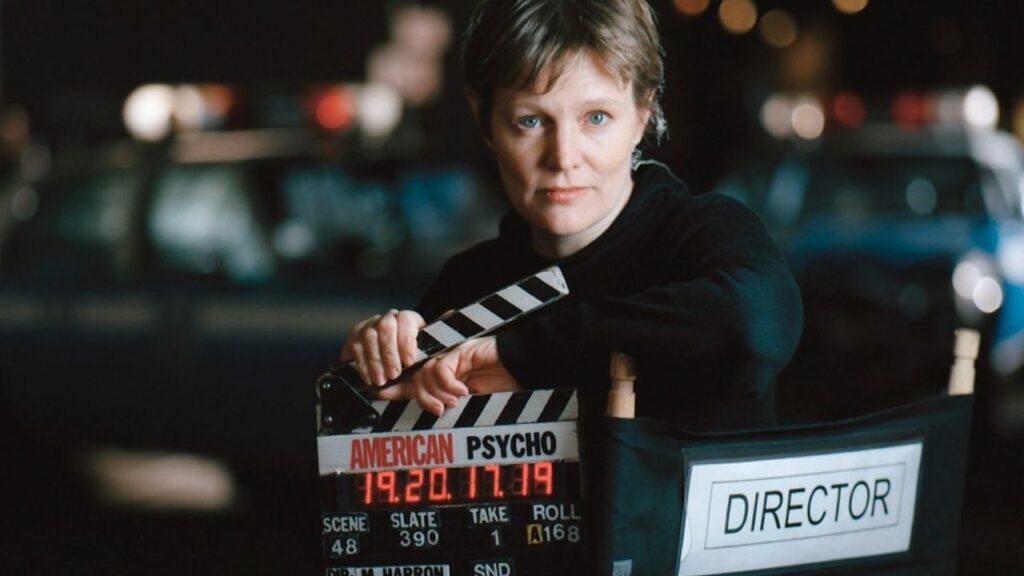
Many people see Patrick Bateman’s (Christian Bale) ultra-masculine, luxurious life as a blueprint for success. But director Mary Harron has admitted that she never intended to create such an image when directing the movie.
Related: 10 Most Unforgettable Psychopaths in Movie History
In fact, it’s astonishing for Harron that Wall Street workers and various online forums devoted to the “sigma male” narrative admire Bateman and try to follow in his footsteps. According to her, Bateman’s obsession with luxury and success stemmed from his desire to prove his worth to others despite his many insecurities.
“I don’t think that [co-writer Guinevere Turner] and I ever expected it to be embraced by Wall Street bros, at all. That was not our intention. So, did we fail? I’m not sure why [it happened], because Christian’s very clearly making fun of them,” Harron told Letterboxd in a 2025 interview.
“But people read the Bible and decide that they should go and kill a lot of people. People read ‘The Catcher in the Rye’ and decide to shoot the president.” Harron called the movie a “gay man’s satire on masculinity.“ She stated that many people failed to recognize the satirical nature of Christian Bale’s performance.
Inspired by a literary character from Bret Easton Ellis’s novel of the same name, Bateman appears confident and cool on the surface. But deep down, he struggles to prove his worth to others. Ellis, who was himself homosexual, initially played coy about his sexuality to avoid being typecast as a “gay writer.”
The director highlighted that the character obsesses over business cards, expensive suits, brands, and social status because he bases his entire self-worth on others’ opinions. Harron used Bale’s character to mock toxic masculinity by showcasing the ridiculousness of its rituals.
The Film Presented Bateman As A Warning, Not a Hero
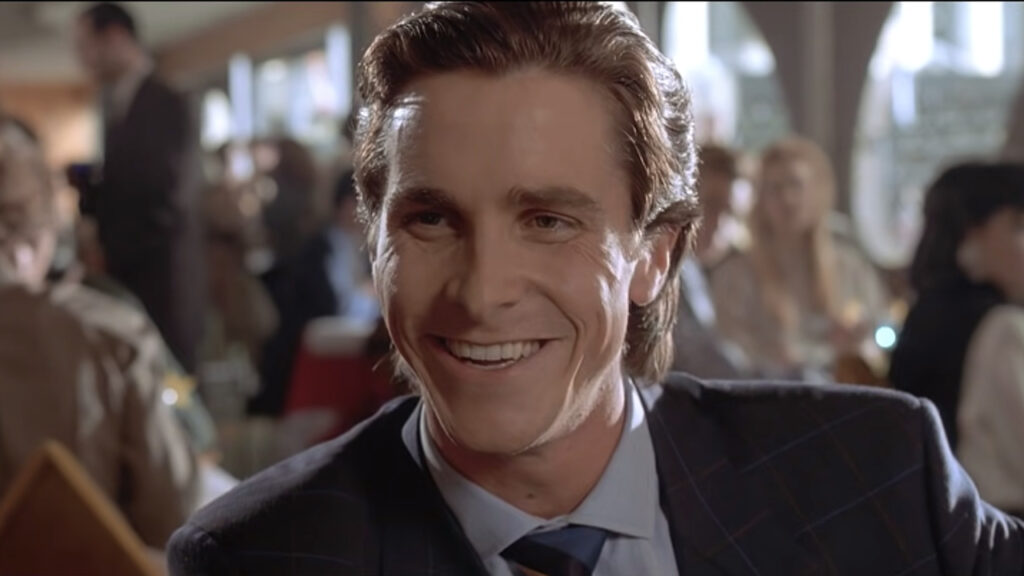
Further in the interview, Harron argued she crafted Bateman’s portrayal to highlight the absurdity of his world and make audiences laugh at it. For instance, the character behaves like a complete loser despite his relentless attempts to project an alpha-male image.
In Case You Missed It: 5 Best Horror Comedy Movies Like ‘Scream 7’ To Watch Right Now
Moreover, Bale infused the performance with many comedic moments that should have signaled the character’s ridiculousness to viewers. Harron remains convinced that audiences who found him impressive focused on Bateman’s lavish lifestyle and outward success.
They overlooked the film’s central satirical critique of masculinity. They ignore its focus on the culture of competitiveness and the pursuit of social status. The director claimed that Bateman and his colleagues compete with one another to be more successful and attractive than others.
The movie also calls out society’s obsession with materialism. Harron believes that toxic masculinity and consumer culture have become even more prevalent today than they were when the film was made.
Many people showcase their luxurious lifestyles on social media and engage in unhealthy competition with others. Mary Harron finds it amazing that the movie remains relevant today and continues to send a powerful message to its contemporary audience.
You Might Also Like To Read: Before ‘A Clockwork Orange,’ This Malcolm McDowell Film Sparked Gary Oldman’s Career