Brad Pitt‘s ban from China became one of the most surprising chapters of his Hollywood journey. Rather than any off-screen controversy of his own making, one movie placed the Oscar winner at the center of a political storm that kept him out of the country for nearly two decades.
More interestingly, Pitt later admitted the same project changed his life in ways he never expected. So, how did one film lead to both a ban and a lasting personal impact?
Why Was Brad Pitt Banned From China For A Movie?
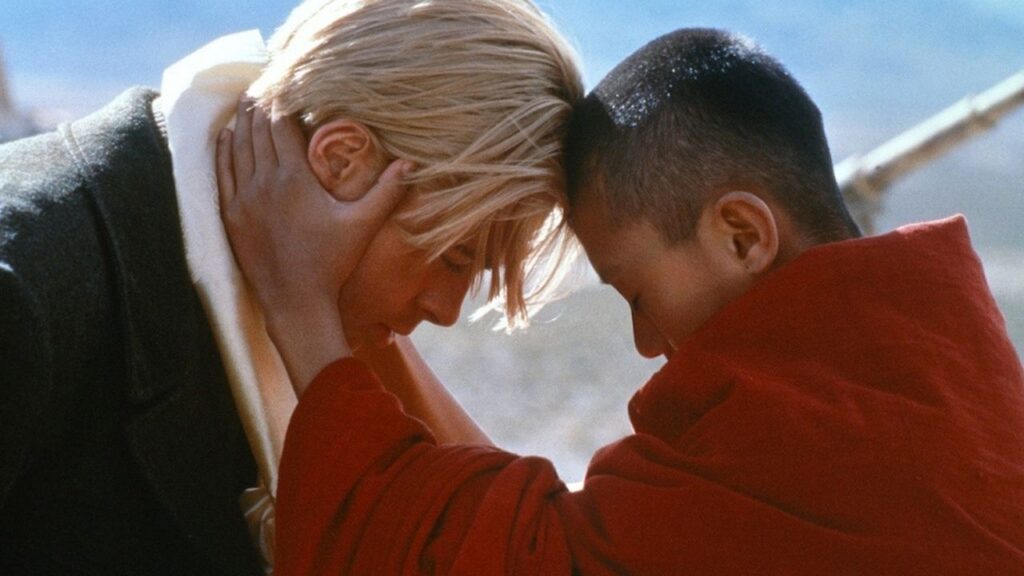
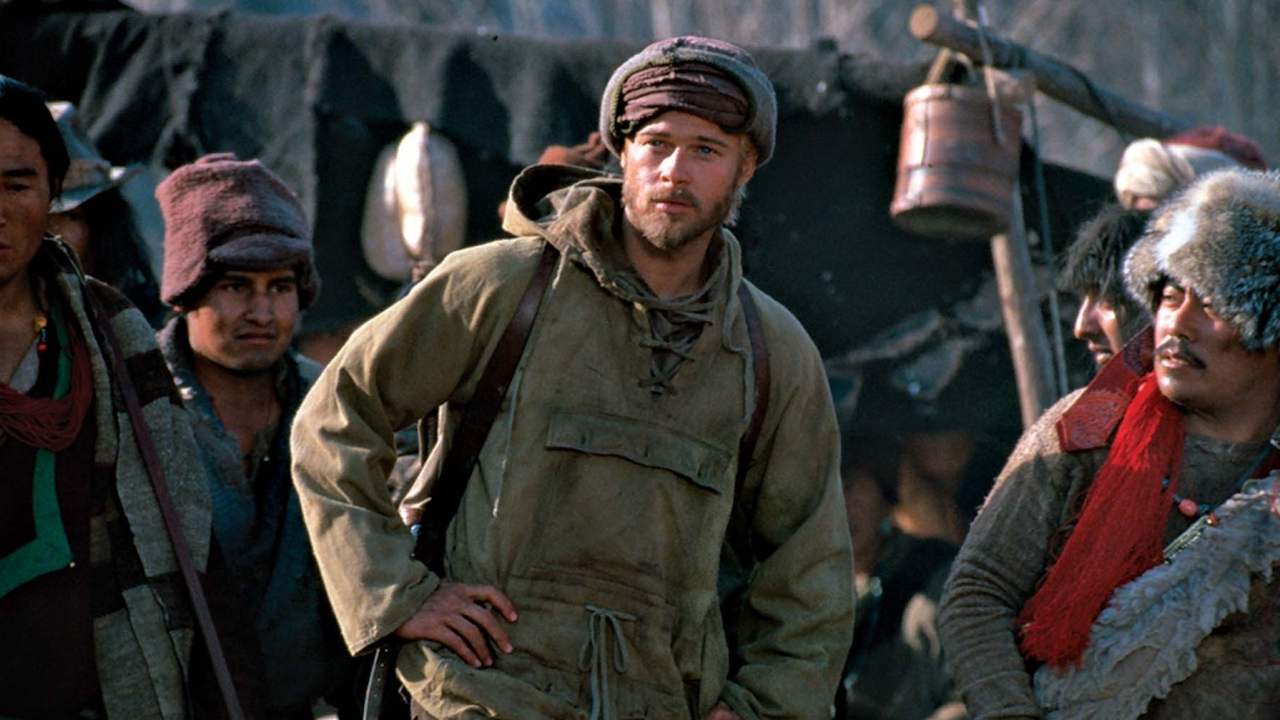
Brad Pitt’s nearly two-decade ban traces back to the 1997 historical drama ‘Seven Years in Tibet‘. Directed by Jean-Jacques Annaud, the movie was adapted from Austrian mountaineer Heinrich Harrer’s memoir of the same name. Pitt portrayed Harrer, who escaped a British prisoner-of-war camp during World War II, arrived in Tibet in 1944, and eventually formed a close friendship with the young 14th Dalai Lama before China’s occupation of Tibet forced him to leave.
Related: Why Brad Pitt Hated Making ‘Troy’ Even After It Earned $497 Million Worldwide
Although ‘Seven Years in Tibet‘ received generally positive reviews, Chinese authorities strongly condemned it. Officials argued that the film depicted Chinese military officers as arrogant and brutal while presenting the Dalai Lama in a positive light. As a result, China banned Brad Pitt, David Thewlis, and director Jean-Jacques Annaud from entering the country.
Annaud was eventually allowed to return to China in 2012, when he chaired the jury at the 15th Shanghai International Film Festival. Pitt, however, remained barred for several more years. He returned to China in 2014 alongside Angelina Jolie, effectively ending the unofficial ban. Two years later, he made his first official promotional visit after ‘Allied’ reached Chinese cinemas. Chinese company Huahua Media partially financed the film, helping pave the way for his return to Shanghai.
The fallout stretched beyond the cast. According to Erich Schwartzel’s book ‘Red Carpet: Hollywood, China and the Global Battle for Cultural Supremacy’, local officials pressured the production while it was filming near the Tibetan border, forcing the crew to relocate. The filmmakers eventually recreated the city of Lhasa in the Andes and even transported yaks from Montana to complete the production.
The controversy also put Sony Pictures in an uncomfortable position. Its parent company relied heavily on business in China, and the government’s reaction reportedly threatened far more than the film’s theatrical release.
Pitt Eventually Returned To China Years Later

Although the controversy overshadowed the film, ‘Seven Years in Tibet‘ also had a lasting personal impact on Pitt. In a 1997 interview with Interview Magazine, he said spending months immersed in a different culture changed his perspective. “I didn’t know anything about Tibet, really,” Pitt said. “The first images in my head were of Shangri-la, and that’s not it at all. It’s the people who make it a Shangri-la, not the land.”
In Case You Missed It: Jodie Foster Says Brad Pitt’s ‘F1’ Was So Formulaic That It Felt AI-Generated
The film earned about $131 million worldwide against a reported $70 million budget and received mixed reviews from critics. While many praised its cinematography, others criticized its historical simplifications and Pitt’s Austrian accent.
Although ‘Seven Years in Tibet’ never became one of Pitt’s defining box office successes, it remains one of the most politically controversial films of his career. It also kept one of Hollywood’s biggest stars from setting foot in China for nearly 20 years before he was finally able to return.
You Might Also Like To Read: “What If I Can’t Do It?”: Jennifer Lawrence Got Candid About Her Biggest Fear Before Motherhood