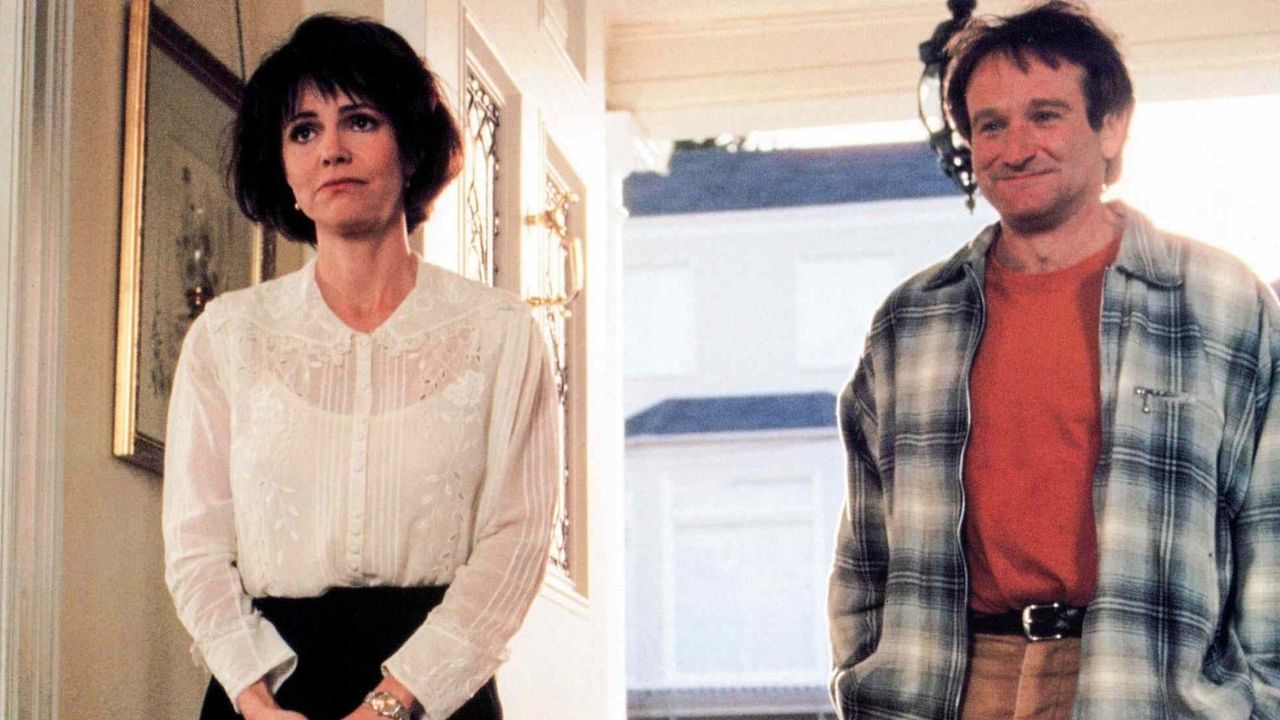
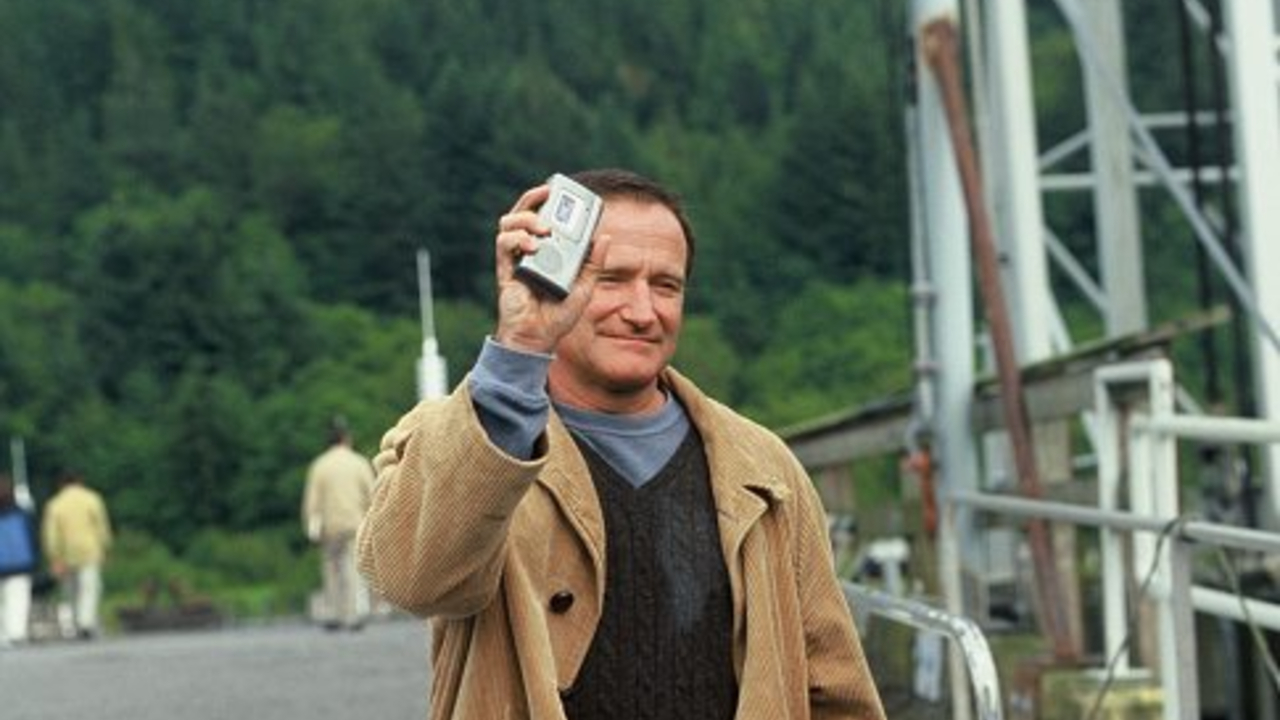
In 2002, Christopher Nolan stepped into his first major studio production with ‘Insomnia,’ a psychological thriller starring Al Pacino and Robin Williams. At the time, Williams remained one of Hollywood’s most recognizable comedic performers, known for rapid-fire improvisation, explosive energy, and constantly shifting personas. Casting him as a restrained murderer looked unconventional on paper.
The gamble paid off because Nolan refused to treat Walter Finch as a theatrical serial killer. Instead of turning Williams loose, Nolan stripped away nearly every instinct audiences associated with the actor. The result became one of the most unsettling performances of Williams’ career precisely because it felt so controlled, ordinary, and emotionally flat.
Nolan Wanted “Ordinary,” Not Theatrical
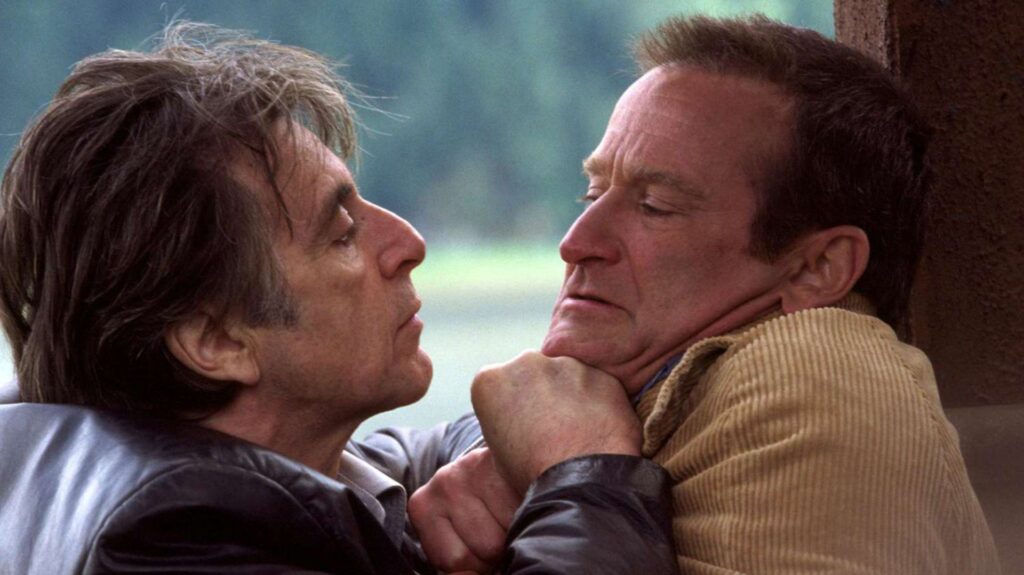
One of Nolan’s biggest creative decisions involved avoiding the larger-than-life villain formula common in psychological thrillers. Walter Finch is not presented as a criminal mastermind or flamboyant manipulator. He is awkward, restrained, and deeply average.
While discussing the performance years later, Nolan explained why that ordinariness made Finch so disturbing.
“You wouldn’t notice him sitting next to you on the bus. To me, that’s why he’s so creepy, because he’s a very ordinary guy who’s crossed this line and he’s trying to figure out where that’s going to take him.”
Nolan also noted that Williams’ performance continued to hold up even after repeated viewings because it never relied on visible acting “tricks” or exaggerated choices. “I’ve seen his performance in this movie, one way or another, thousands of times at this point, and it’s totally real. It absolutely stands up to multiple viewings.”
That realism became the foundation of the character. Finch does not intimidate through explosive violence or dramatic speeches. He unsettles people because he speaks calmly, behaves politely, and tries to rationalize horrifying actions like ordinary conversations.
Related: Christopher Nolan Nearly Gave Up on This David Lynch Classic Before It Changed His Career
Pulling Back Williams’ Natural Instincts
Williams built much of his career around improvisation and verbal momentum. Nolan deliberately pushed him in the opposite direction during ‘Insomnia.’ The performance required precision, restraint, and silence rather than speed or spontaneity.
Instead of encouraging improvisation, Nolan kept Finch grounded inside the script’s structure. Removing Williams’ comedic rhythm also removed the protective layer that audiences associated with him. Without constant movement or jokes, the character feels emotionally hollow and unpredictable.
In case you missed it: Top 25 Movies So Intense You’ll Never Watch Them Twice
An interviewer once pointed out how meticulously Finch seemed to think through every action, even when appearing spontaneous. Nolan partially pushed back on that interpretation, explaining that much of the perception comes through Pacino’s increasingly exhausted point of view.
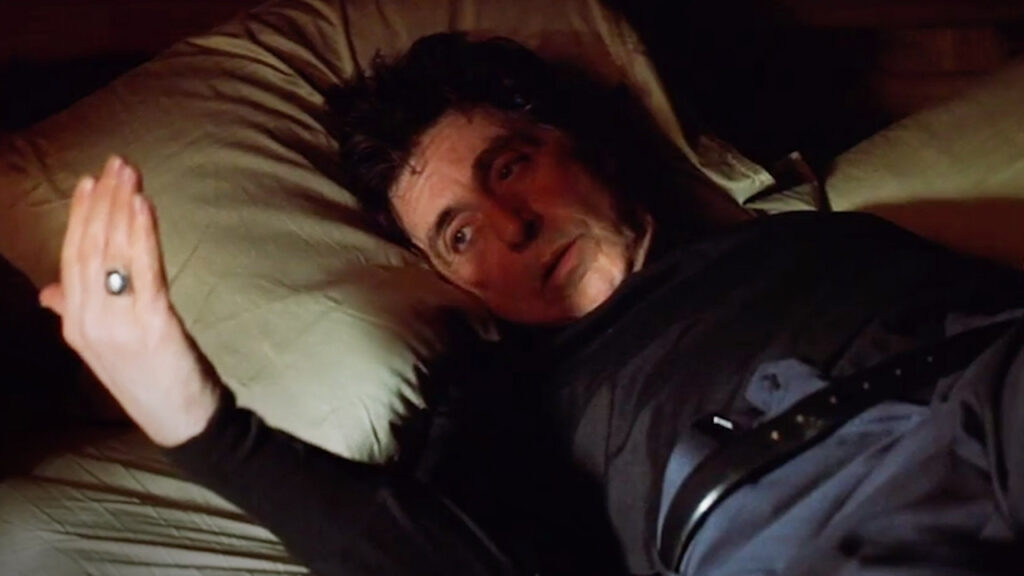
“If you watch the film again, if you step outside Pacino’s perception of the situation, he’s not as sharp as you think he is. Al is progressively strung out. He’s missing things.”
That perspective matters because ‘Insomnia’ gradually blurs the line between Finch’s manipulation and Dormer’s deteriorating judgment. Finch appears hyper-controlled partly because Pacino’s detective becomes less reliable as his sleep deprivation worsens.
Quiet Direction Changed Everything
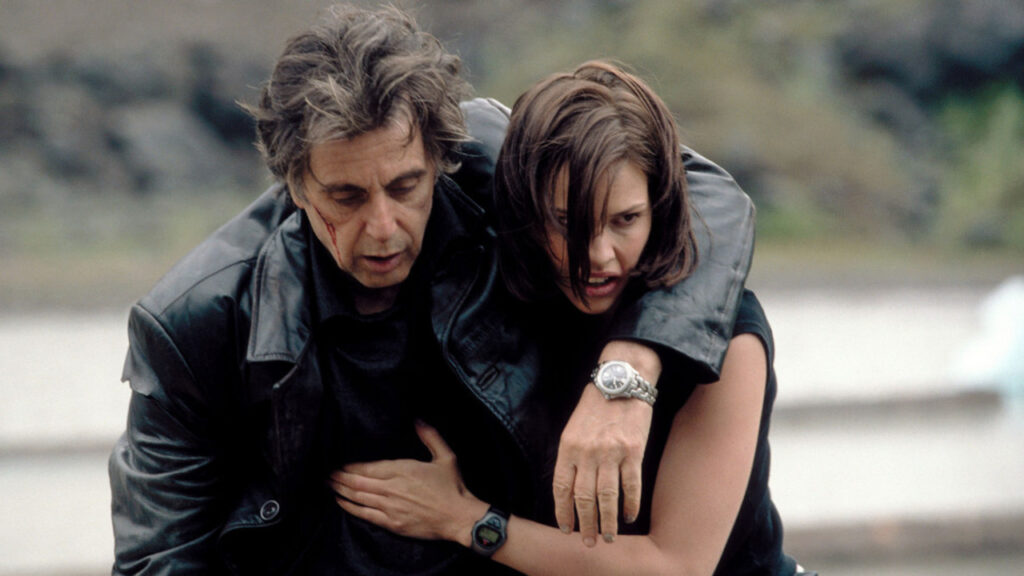
Behind the scenes, Williams reportedly remained energetic and highly social between takes, constantly entertaining the crew. Nolan did not attempt to compete with that energy on set. Instead, he relied on the calm, analytical directing style that would later define much of his career.
Williams frequently joked in interviews about Nolan’s polite but firm instructions while filming. That composed approach helped create a sharp separation between Williams, the performer, and Finch, the character.
During one interview, Nolan rejected the idea that controlling Williams’ performance created unusual difficulty.
“I didn’t find it so, to be quite honest. What I found was that all of the control he has as a performer… it’s exactly the same control that allows him to reign it in.”
That observation explains why the performance works so well. Williams did not suddenly become a restrained actor for ‘Insomnia.’ Nolan simply redirected the same discipline Williams already used to create manic comedic characters.
The final result remains one of the strongest examples of Nolan understanding exactly how to weaponize an actor’s public image. Audiences expected warmth, humor, and unpredictability from Williams. Instead, ‘Insomnia’ presents someone quiet, emotionally detached, and terrifyingly human.
You might also want to read: Why Christopher Nolan’s ‘The Odyssey’ Black Armor May Be More Historically Accurate Than Fans Think