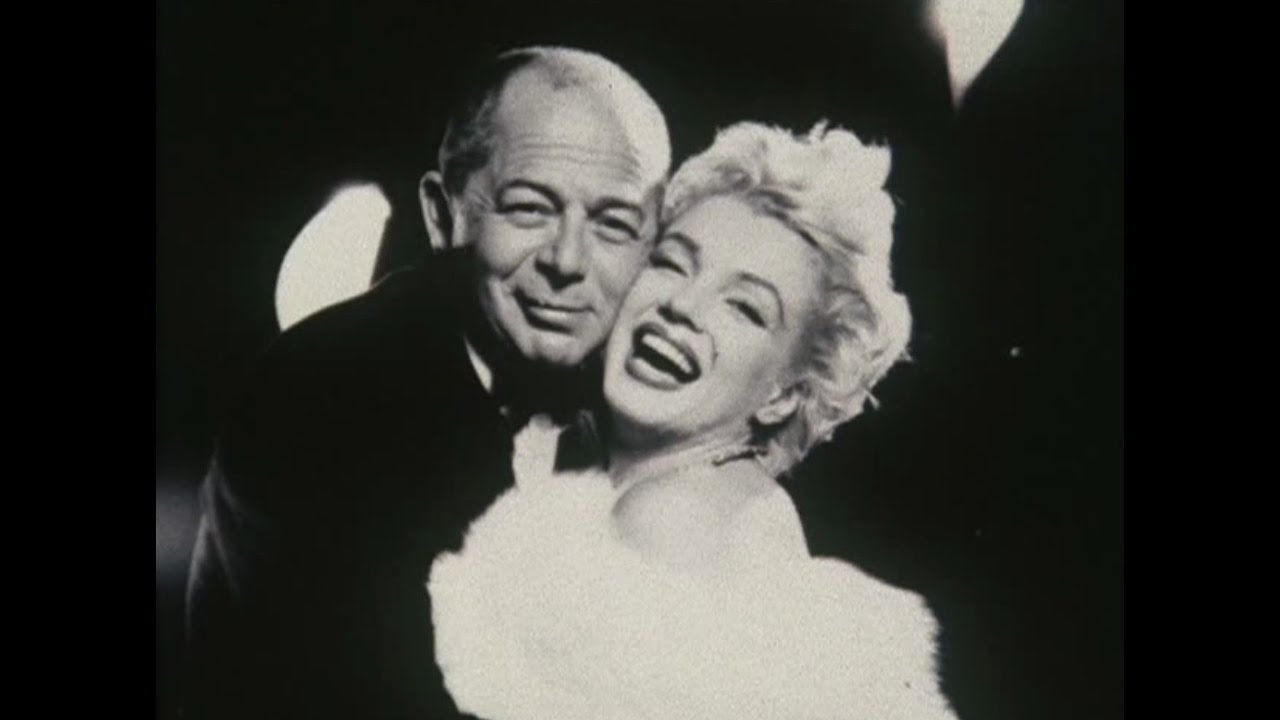
It was a scorching summer in 1958, and on the set of what would become the greatest comedy ever made, director Billy Wilder felt his blood pressure going up. The reason was Marilyn Monroe, the biggest movie star in Hollywood. She had just turned a simple dialogue into a nightmare that took 59 takes and a day and a half.
The line was simple. Her character Sugar Kane just had to burst through a door and say, “Where’s the bourbon?” But Monroe was full of self-doubt and leaned on a mysterious acting coach. For her, something that easy felt impossible. “We were in mid-flight,” Wilder later said, looking worn out, “and there was a nut on the plane.”
Marilyn Monroe’s Meltdown Over a Single Sentence
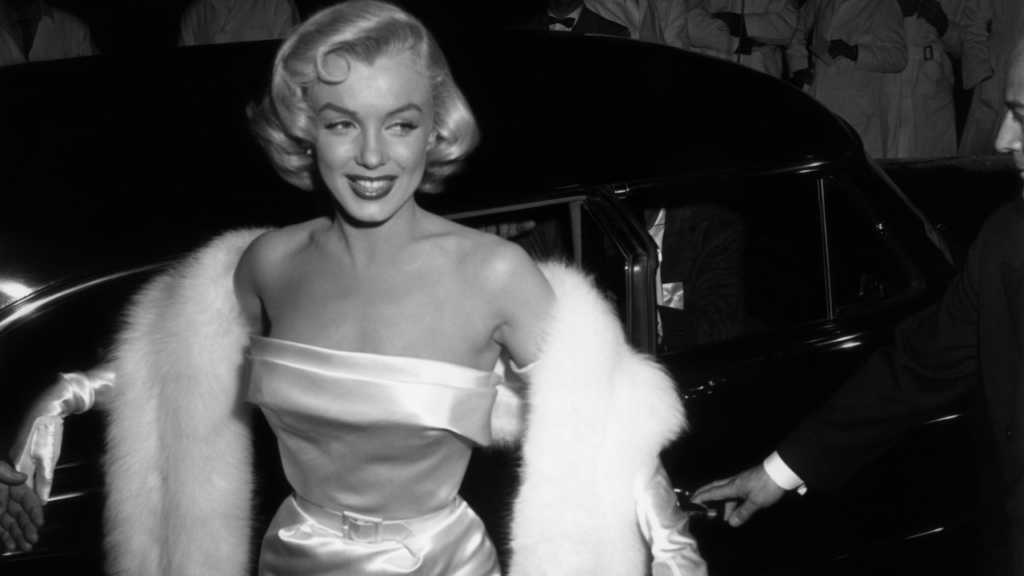
The making of ‘Some Like It Hot‘ is still the best example of a messed-up film set. The final movie is perfect and funny, and many people call it the best comedy ever. But making it was pure chaos. Monroe showed up late all the time, she was hooked on pills, and she could barely remember her lines.
Related: Marilyn Monroe’s Daily Diet Was Surprisingly Wild And It Shaped Her Iconic Curves
There’s the famous “bourbon” scene. Monroe had to open a dresser drawer and say the line. Take after take, she opened the drawer and came up with different things like “Where’s the whiskey?” “Where’s the bottle?” or even “Where’s the bonbon?”
After forty mess-ups, a desperate Wilder taped the correct line inside the drawer. Then Monroe got confused about which drawer had the tape. So Wilder told his prop guy to put “Where’s the bourbon?” in every drawer on the set. It took 59 takes to get it right. And when she finally said the line, her back was to the camera.
Monroe’s co-stars, Tony Curtis and Jack Lemmon, had to stand around in women’s underwear and high heels for hours waiting for her. They started betting each other on how many takes a single line would require. For the line “It’s me, Sugar,” which is only three words, Monroe needed 47 takes.
Billy Wilder’s Explosion Over the Acting Coach
What really drove Wilder insane wasn’t just that she forgot things. It was how Monroe listened to her acting coach, Paula Strasberg, instead of him. While Wilder tried to direct a scene, Monroe would look past him to Strasberg, who stood just off camera, nodding or shaking her head.
In case you missed it: The Dark Reality of Marilyn Monroe’s On-Set Struggles That Turned Hollywood Against Its Biggest Star
When filming finally ended, Wilder let loose. He was known for his sharp tongue, and he said some harsh things about Monroe’s intelligence. “She has breasts like granite; she defies gravity,” Wilder told reporters. “And she has a brain like Swiss cheese: full of holes.”
When someone asked if he would ever work with Monroe again after going through ‘The Seven Year Itch‘ and ‘Some Like It Hot,’ he gave his most famous answer: “I have discussed this with my doctor and my psychiatrist, and they tell me I’m too old and too rich to go through this again.”
The Paradox of Genius and Marilyn Monroe’s Performance
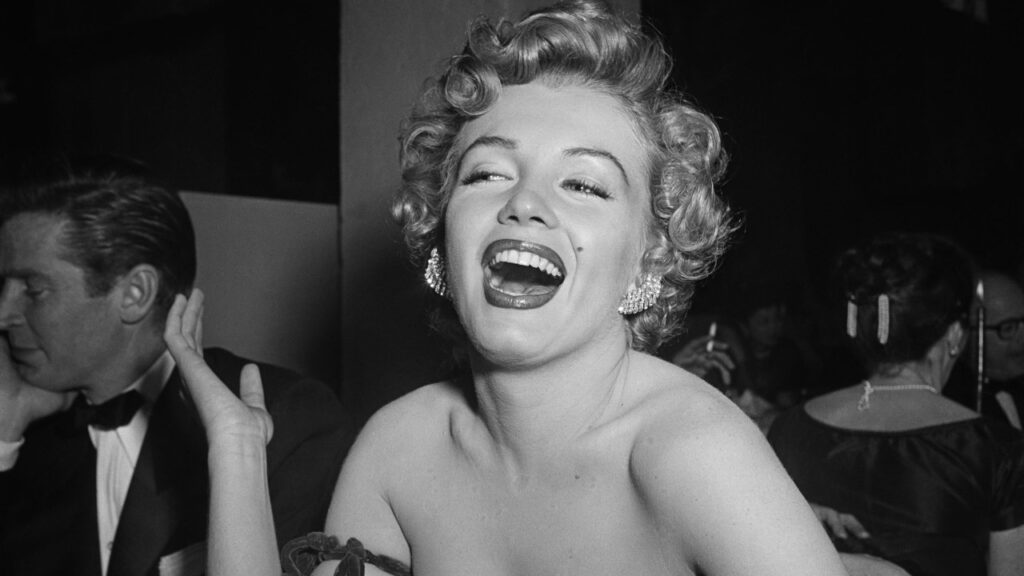
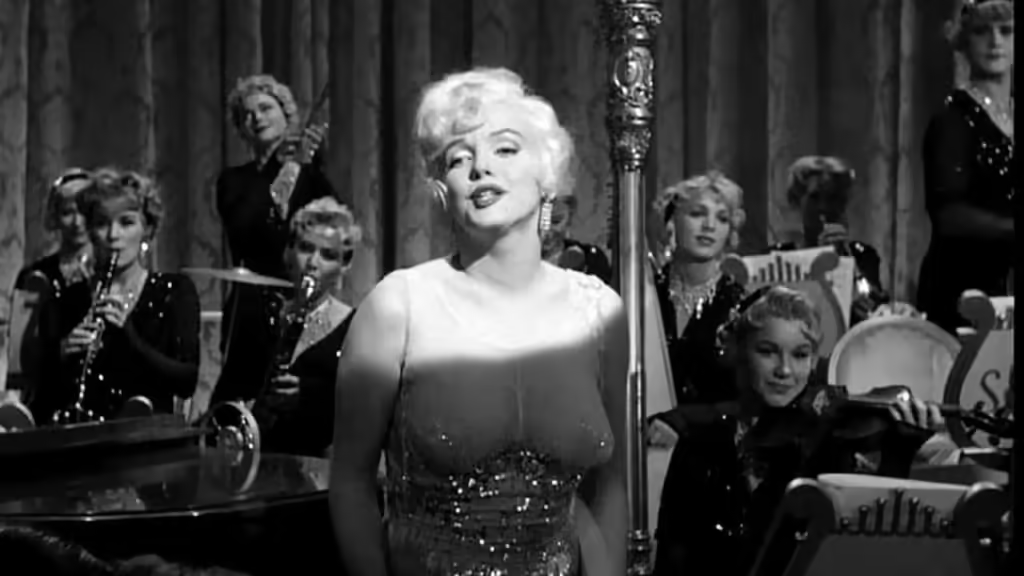
But here is the part that confuses everyone who looks back on that era. Even with all the craziness, or maybe because of it, Monroe’s performance is amazing. The way she sings ‘I Wanna Be Loved By You‘ and how she says “nobody’s perfect” are unforgettable.
Wilder was a practical man, and over time, he changed his mind. He let the art win over the pain. When he looked back at the film, he admitted something he couldn’t see when he was so angry. “Anyone can remember lines,” Wilder said. “But it takes a real artist to come on the set and not know her lines and yet give the performance she did.”
Yet, Monroe got the last word. When someone asked her about the hard shoot, she smiled and said something that made fun of her male co-stars: “Why should I worry? I have no phallic symbol to lose.”
Two years later, what Wilder had said about Monroe being fragile turned out to be terribly true. On August 4, 1962, she died from a drug overdose at the age of 36. When a reporter told Wilder the news as he got to Paris, he stopped for a second and then summed up the whole of what had shaped both their careers. “It was hell,” he said, “but it was worth it.”
You might also want to read: The Real Reason Billy Wilder Didn’t Want Humphrey Bogart in ‘Sabrina’