
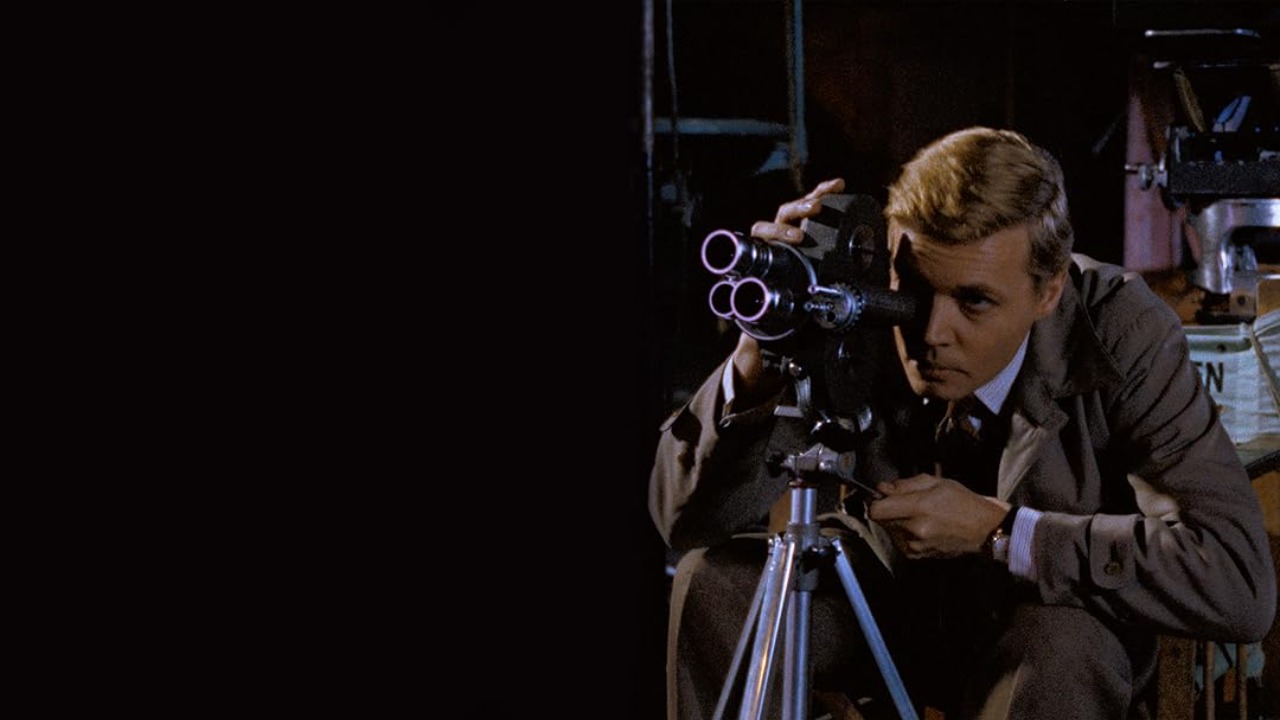
65 years ago, British audiences walked out of cinemas in disgust. Today, they walk down the street living the movie. In 1960, director Michael Powell, who had just made the beautiful and expensive ‘The Red Shoes‘, put out a cheap thriller called ‘Peeping Tom’. The story follows Mark Lewis, a shy camera operator who kills women with a spike hidden in his tripod. He films their terror as they watch themselves die in a mirror attached to the lens.
The critics hated it. “The only really satisfactory way to dispose of Peeping Tom would be to shovel it up and flush it swiftly down the nearest sewer,” wrote The London Tribune. “Even then, the stench would remain.” Powell’s career never recovered. But here is the question: was the film sick, or was it just way ahead of its time?
How ‘Peeping Tom’ Predicted Our Social Media Age
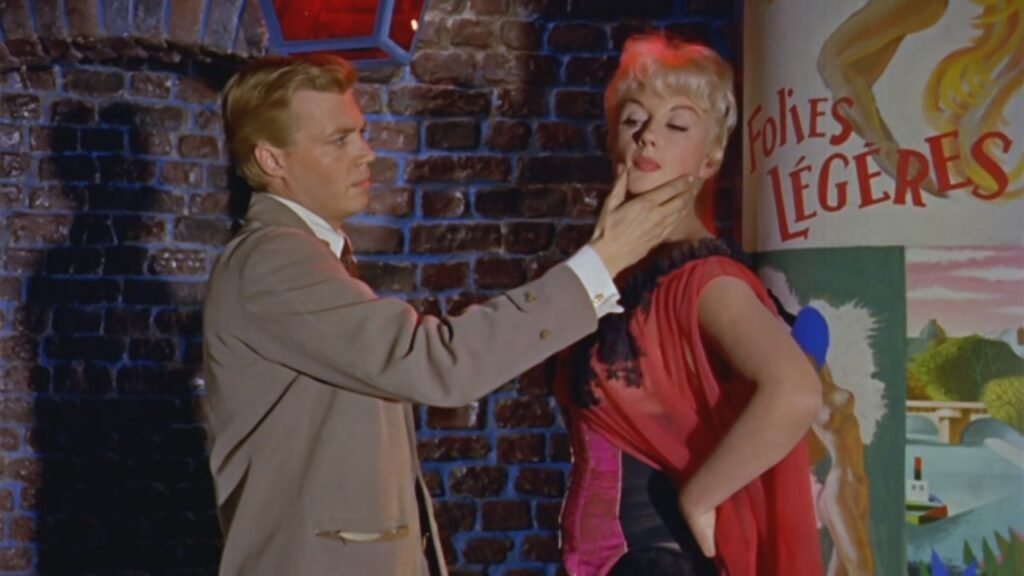
Today, ‘Peeping Tom‘ feels less like a horror movie and more like a documentary about the 21st century. Mark’s weapon is a camera, and his addiction is recording everything. He does what one expert, Erman Bostan, calls a “contemporary surveillance and control practice.” He is the perfect anti-hero for the age of Instagram, body cams, and Ring doorbells.
“The film has a lot to say about today’s social media culture,” opines critic Jennifer Tang. “Mark cannot stop filming and insists that everyone watch themselves on camera. This is a recurrent motif… we now have the means at our disposal to record aurally and visually everything about our lives.”
Related: ‘Peeping Tom’ Was So Controversial It Nearly Killed Its Director’s Career Overnight
The Selfie as a Murder Weapon
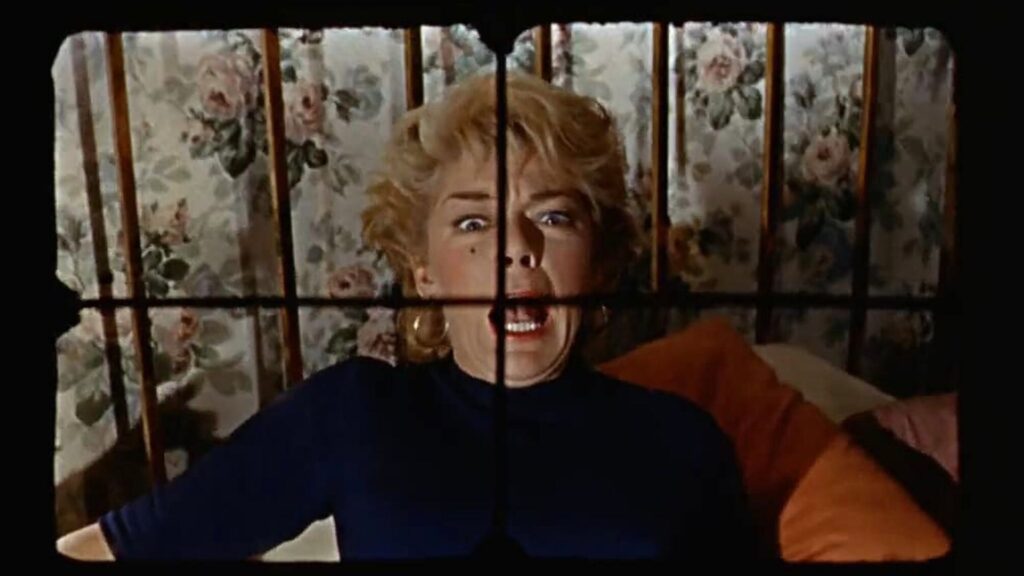
Think about how Mark’s weapon works. It is a camera with a mirror attached so the victim can see her own fear. Long before anyone ever said the word selfie, Powell was warning us about how messed up it is to stare at ourselves all the time. “Mark later introduces his victims to an early concept of the ‘selfie’,” Tang argues, “by making sure his victims watch themselves die.”
In case you missed it: Audrey Hepburn Ended Her Secret Affair With William Holden Over One Devastating Truth
People hated the film back then because it made the audience feel like they were part of the killer’s sick game. We sit in the dark and watch his footage. But as critic Roger Ebert pointed out, that is basically what all movies do: “We sit in the dark, watching other people’s lives. It is the bargain the cinema strikes with us, although most films are too well-behaved to mention it.”
Powell just refused to be well-behaved. When Mark follows a victim, the camera shows us what he sees through his viewfinder. “Powell lets us see exactly what Mark is visualising… we are implicated as voyeurs.”
What ‘Peeping Tom’ Says About Modern Surveillance and YouTube Killers
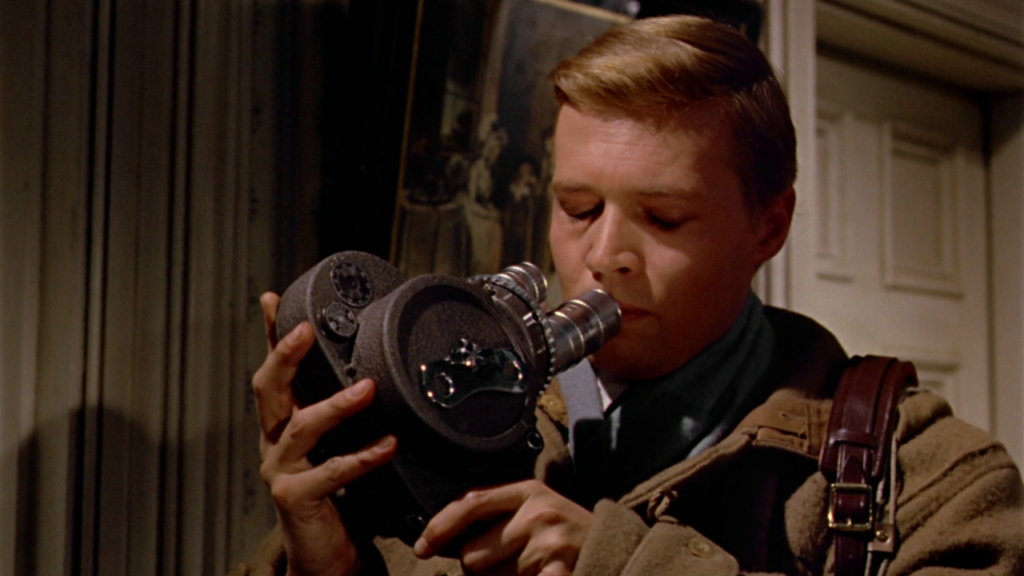
The saddest part is that Mark wasn’t born a monster. His father was a psychologist who wired his bedroom and filmed his childhood fears to study them. He was the first kid raised under constant watch.
What used to seem baffling is now completely normal. We post our grief, our dinners, our private moments for anyone to see. As one modern review puts it bluntly: “If Mark Lewis had lived today and simply refrained from killing strangers, he would have his own YouTube channel.”
Martin Scorsese, who helped bring the film back, calls it the “purest expression” of cinema’s dangerous obsession. Maybe that stench the critics noticed in 1960 wasn’t perversion. Maybe it was just the smell of the future.
You might also want to read: The Real Cannes Robbery That Mirrors Alfred Hitchcock’s Classic Thriller