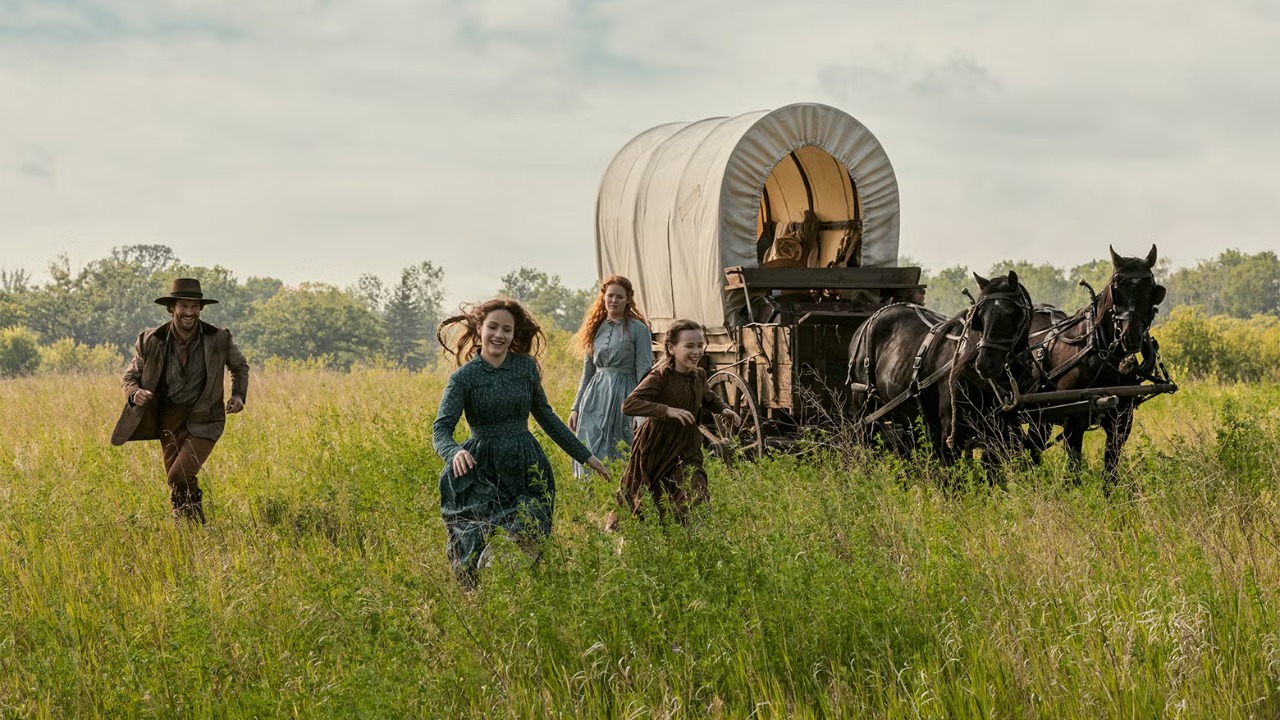
Netflix’s ‘Little House on the Prairie‘ has given the beloved story a fresh makeover, and fans quickly noticed several changes. Some familiar faces are missing, the family’s journey begins in a different place, and a few storylines take a completely new direction.
Even though the show stays inspired by Laura Ingalls Wilder‘s books, Season 1 introduces enough surprises to make longtime viewers curious about what comes next.
Two Familiar Characters Are Missing From Season 1
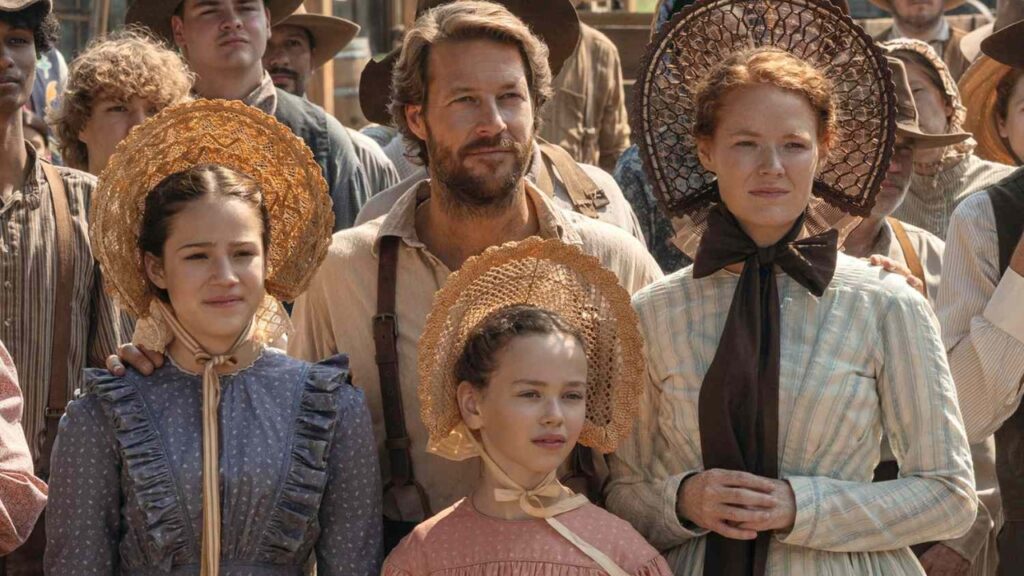
One of the biggest surprises in Season 1 is the absence of a couple of well-known characters. Carrie Ingalls, the youngest member of the Ingalls family, does not appear when the series begins. Instead, she joins the family later in the season, which is a noticeable change from what many fans expected.
Nellie Oleson is also missing throughout the first season. Viewers had hoped to see the fan-favorite character make an appearance, but she never showed up. Since Netflix has already renewed Little House on the Prairie for Season 2, many expect Nellie to finally enter the story in the next chapter.
Related: The Tragic True Story That ‘Little House on the Prairie’ Left Out
‘Little House on the Prairie’ Begins in a Very Different Place
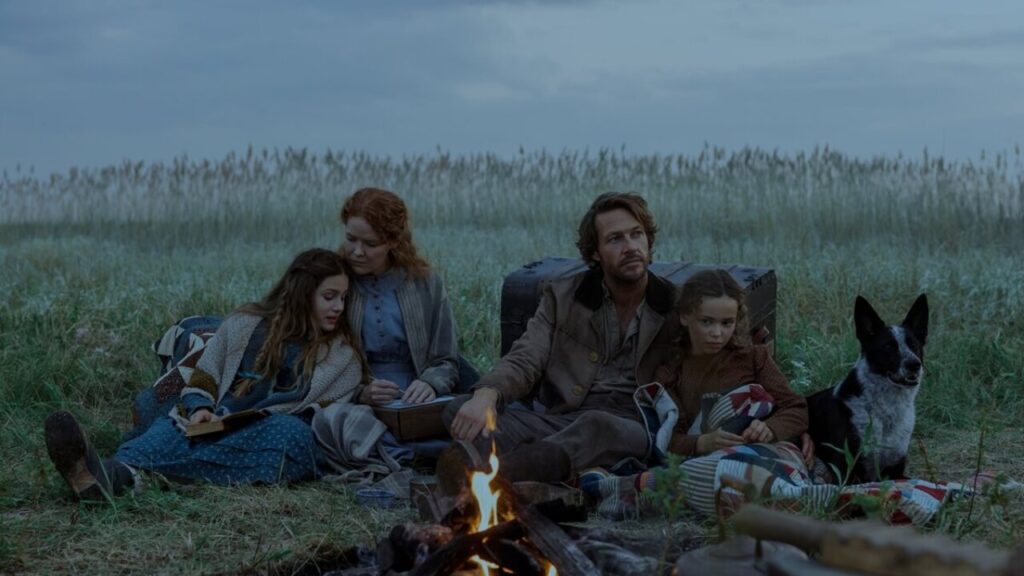
Netflix also changes where the story begins. The original ‘Little House on the Prairie‘ books by Laura Ingalls Wilder mainly follow the Ingalls family during their years on Plum Creek near Walnut Grove, Minnesota. The classic TV series also became closely linked with that setting.
The new adaptation starts somewhere else. When Season 1 opens, the Ingalls family leaves Wisconsin to build a homestead near Independence, Kansas, during the 1870s. By the end of the season, Charles and his family struggle under growing debt and decide to move again. Their next destination is Plum Creek, bringing the series back toward the setting readers know from the original books.
Netflix Changed the Story’s Religious Themes
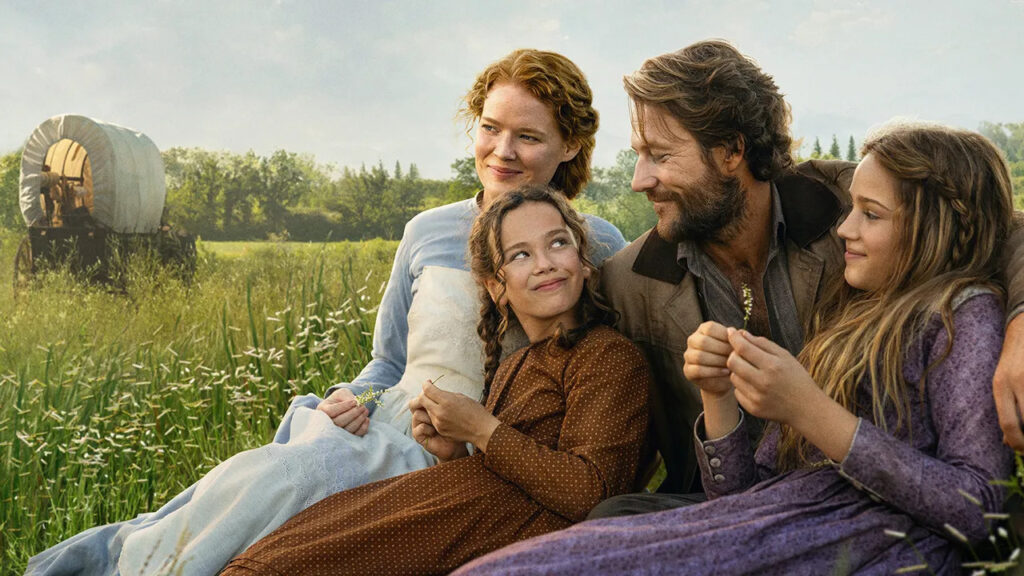
Faith plays a different role in Netflix’s version than it did in the classic television series. The original show regularly featured the Ingalls family attending church and openly highlighted their strong connection to God as an important part of everyday life.
Netflix takes a more restrained approach. Religion is still part of the family’s world, and faith is mentioned throughout the season, though it is less prominent. Many fans have pointed out that this approach actually feels closer to Laura Ingalls Wilder’s books, where religious beliefs are present without dominating the story.
A New Storyline Brings the Osage Family Into the Spotlight
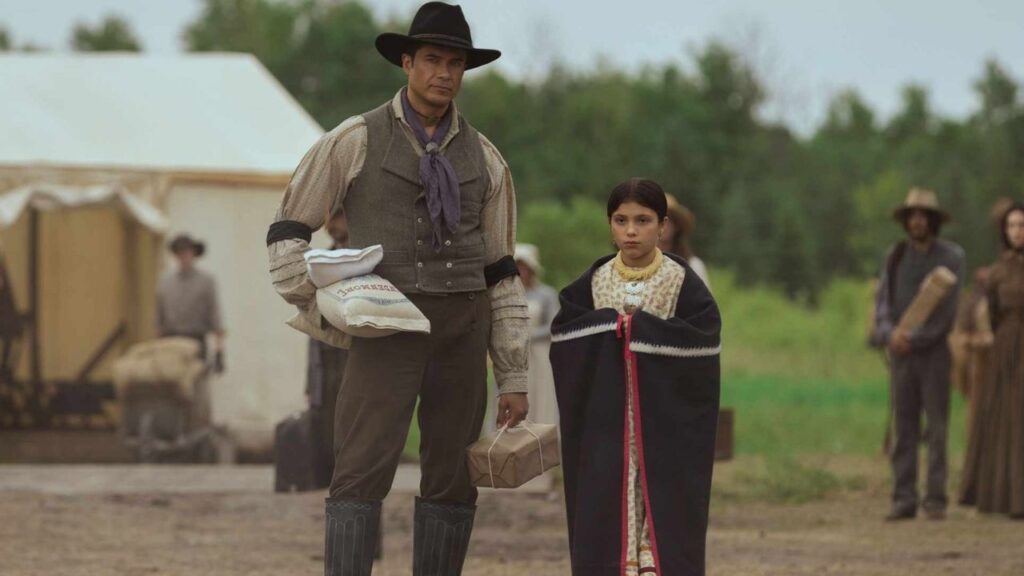
Another major change comes through the addition of Indigenous perspectives. Season 1 gives significant attention to an Osage family and explores their experiences alongside the Ingalls family’s journey.
Those storylines were not central to either Laura Ingalls Wilder’s books or the popular television series from the 1970s. By including the Osage family’s point of view, Netflix expands the world of ‘Little House on the Prairie’ and adds a new layer to the historical drama, presenting a broader picture of life at the time.
In case you missed it: Netflix’s ‘Little House on the Prairie’ Under Fire in Woke Slamming Debate Ahead of Season 2
Laura’s Wardrobe Gets A Stylish Upgrade
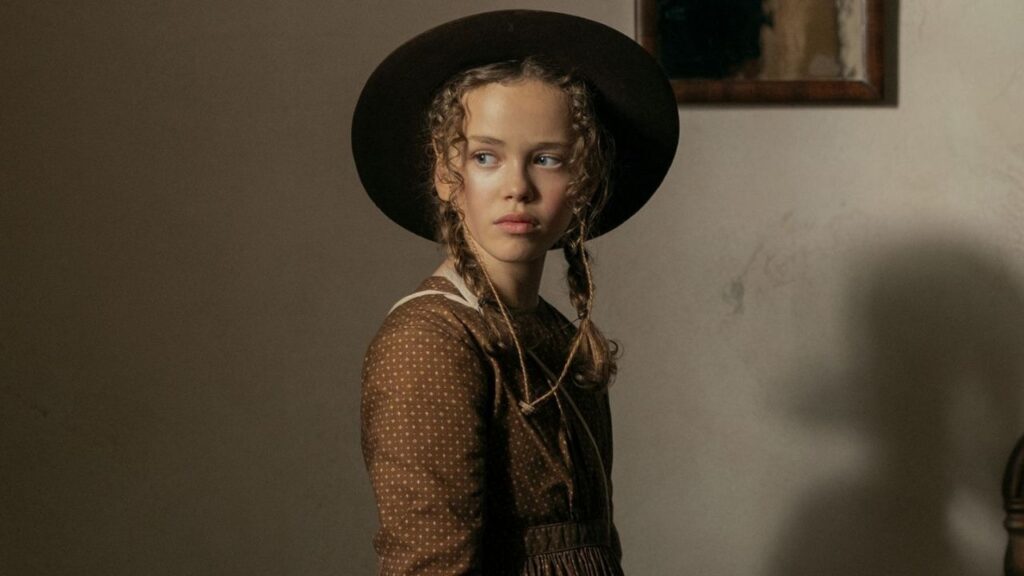
The clothing style of Laura looks very different in the reboot. In the original series, she mostly wore a brown calico dress for everyday life and saved a blue dress for church, making her wardrobe fairly simple.
Netflix gives Laura several different outfits within the first few episodes. Her traditional fabric bonnet is also replaced with a straw bonnet and a leather wide-brimmed hat. Caroline Ingalls also wears more polished prairie-inspired dresses that give the series a more fashionable look.
Mr. Edwards Has A Much Darker Past
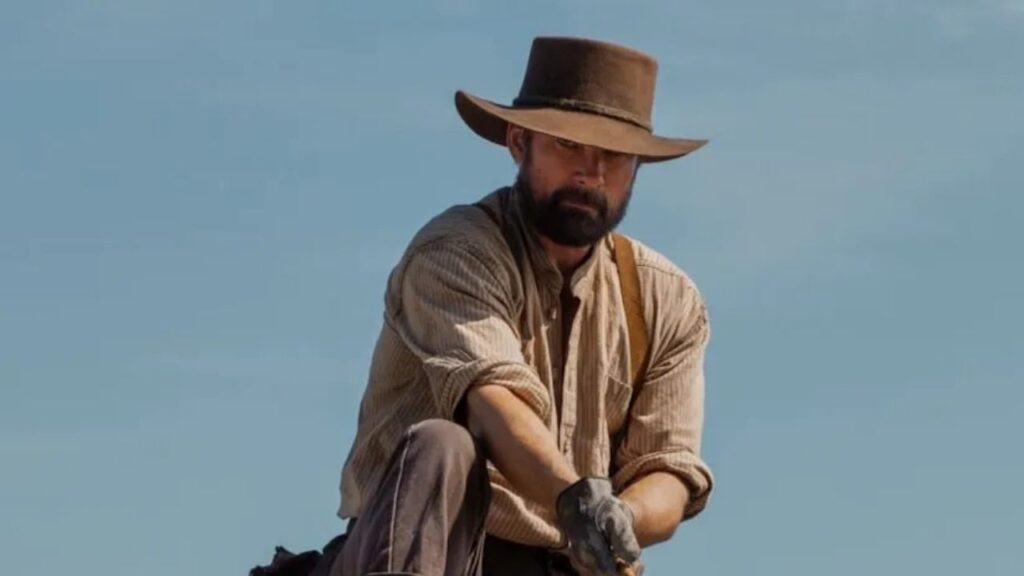
John Edwards is another character who receives a major update. In the original series, Mr. Edwards mostly served as comic relief, and even his drinking problem was often treated humorously.
The reboot gives him a much more emotional storyline. As a Civil War veteran mourning the loss of his wife and two daughters, he carries deep emotional scars that shape his actions throughout the season.
The Family Dynamic Feels Different
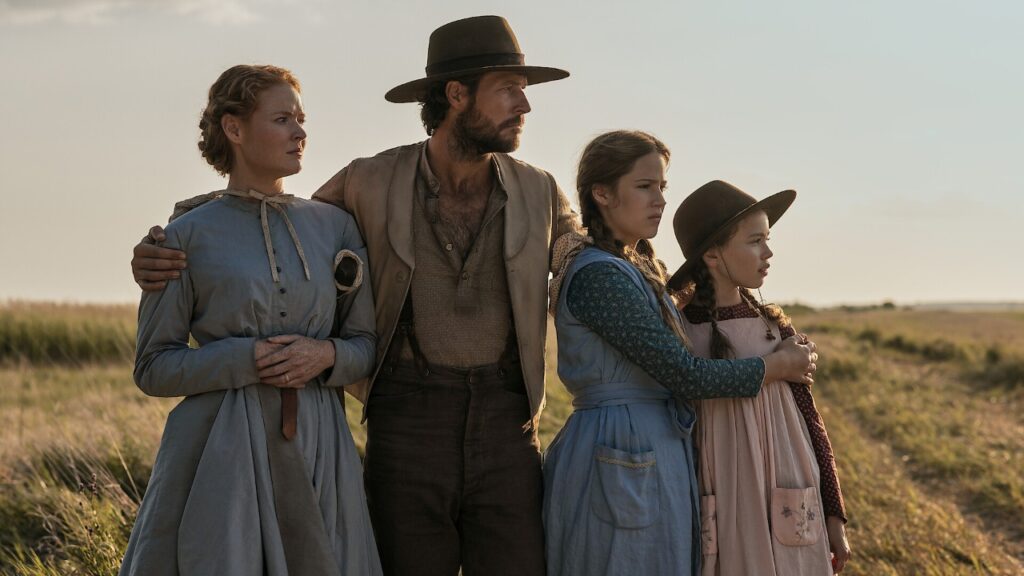
The original ‘Little House on the Prairie‘ placed the relationship between Charles “Pa” Ingalls and Laura at the heart of the story. Their close father-daughter bond became one of the show’s defining features.
Netflix widens the focus by giving every family member more attention. Instead of centering almost every episode on Laura and Pa, the reboot explores the experiences and perspectives of the entire Ingalls family.
The Prairie Looks Brighter Than Ever
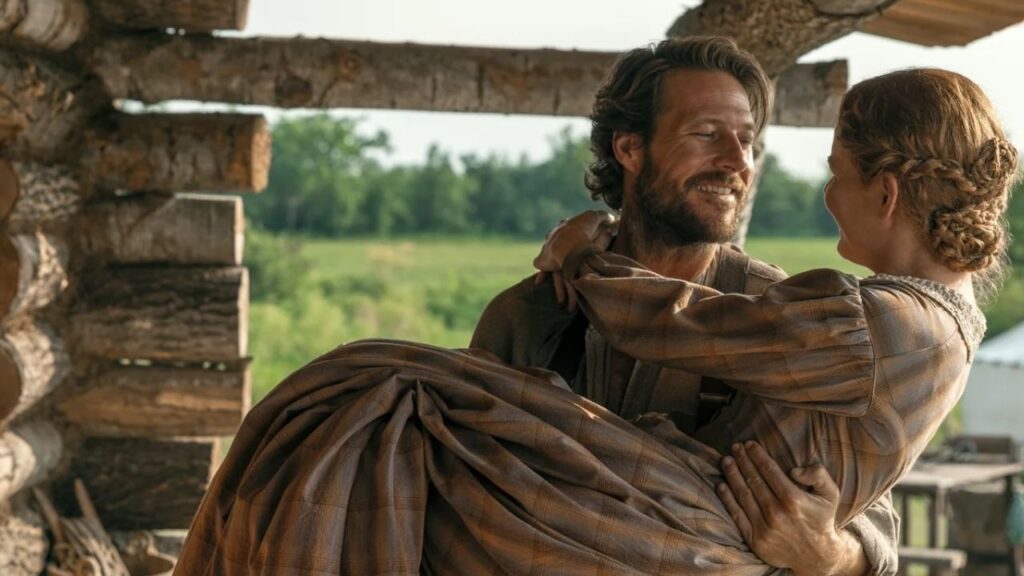
The visual style also sets the reboot apart from its predecessor. The original series often relied on dim lighting to recreate the look of homes lit by oil lamps, adding to the hardships of pioneer life.
Netflix’s adaptation uses brighter lighting throughout the series. The prairie feels more colorful and polished, giving the show a modern look that stands in clear contrast to the classic version.
Caroline Steps Further Into The Spotlight
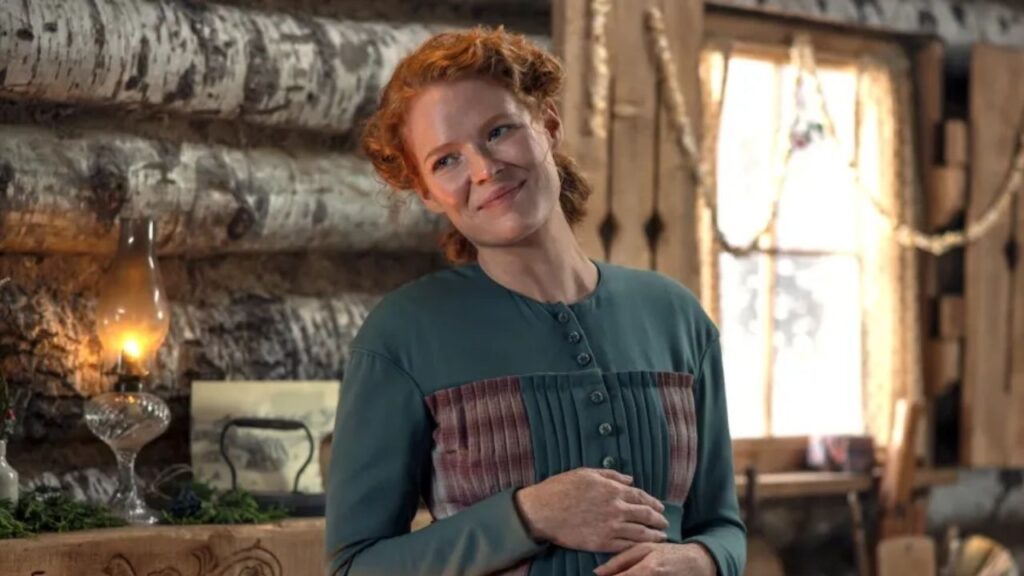
She remains the heart of the family, but the reboot gives her a much larger role than before. The series spends more time showing Caroline’s daily responsibilities as a wife and mother, including cooking over a wood stove and managing the household.
It also highlights her strength beyond domestic life. Caroline stands up to her husband when necessary and is not afraid to challenge her neighbors when she believes they are doing the wrong thing, making her one of the reboot’s most developed characters.
You might also like to read: Willa Dunn Joins Netflix’s Little ‘House on the Prairie’ Cast As Iconic Rival