
Many TV shows have attempted to break the fourth wall, but none have made it feel as natural, intimate, and emotionally devastating as ‘Fleabag’ Season 2. What initially seemed like a clever storytelling gimmick became one of the defining features of the series.
By the end of the season, the bond between Fleabag and the viewers had grown so significant that the show could express whole emotional messages with just a look at the camera. It’s what makes ‘Fleabag’ so hard to follow. It didn’t just break the fourth wall to make a joke. It put the audience in the shoes of Fleabag. She had us as her trusted advisors, her escape plan, and eventually, something she had to learn to let go of.
‘Fleabag’ Turned The Audience Into A Character
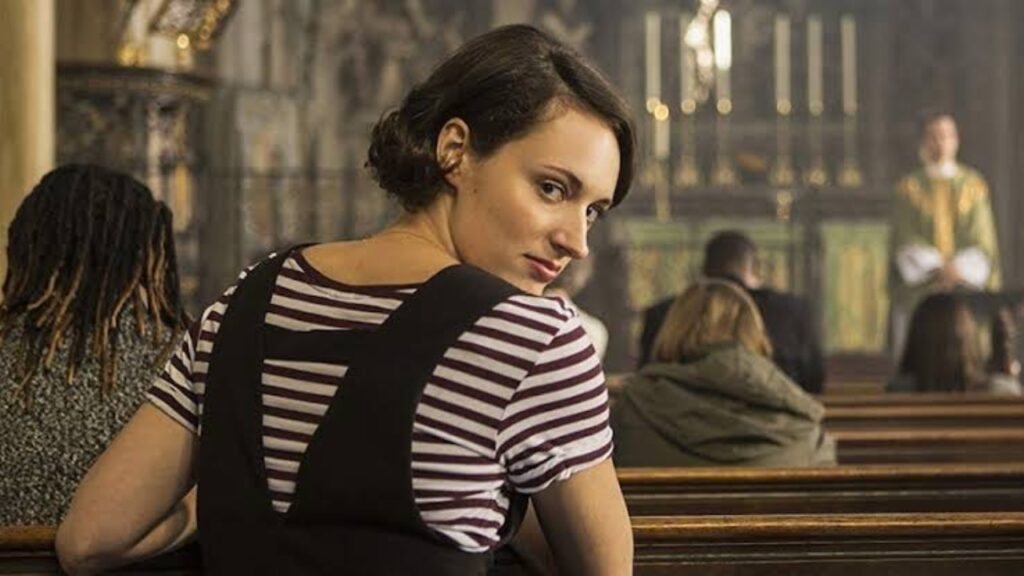
What’s great about ‘Fleabag’ Season 2 is that the fourth-wall breaking isn’t a gimmick. Fleabag is staring straight at the camera like she has to shield herself from others for years and confiding in the audience. If it gets uncomfortable, she looks at us. When someone hurts her, she looks at us. If she doesn’t want to say something out loud, she tells us.
Related: 10 Shows To Watch If You Miss ‘Fleabag’
It gives it a level of intimacy that’s hard to reach. It’s not just a story about Fleabag; it’s a story in her head. We are not simply watching Fleabag’s story; we feel like we are inside her head. However, then comes the Priest. The Priest’s ability to pay attention to Fleabag’s gaze towards the camera is what turns everything around.
Here, for the first time, someone within the story seems able to see the relationship that she has with the audience. This makes the fourth wall seem like it’s on the verge of collapsing. The moment he asks, “What was that?” After catching her looking toward the camera is one of the show’s most important turning points. Fleabag’s secret is no longer completely safe.
Then, something that was funny and endearing becomes uncomfortable. The show understands exactly how powerful that transformation is. Fleabag isn’t just concealing information from the other characters now. She’s concealing a part of herself from the audience.
The camera is no longer a friend and more of a witness to the emotional distance she has placed between herself and others. That is an incredibly difficult trick to pull off without becoming pretentious. Yet, ‘Fleabag’ somehow makes it feel effortless.
The Ending Made Every Fourth-Wall Break Feel Even More Incredible
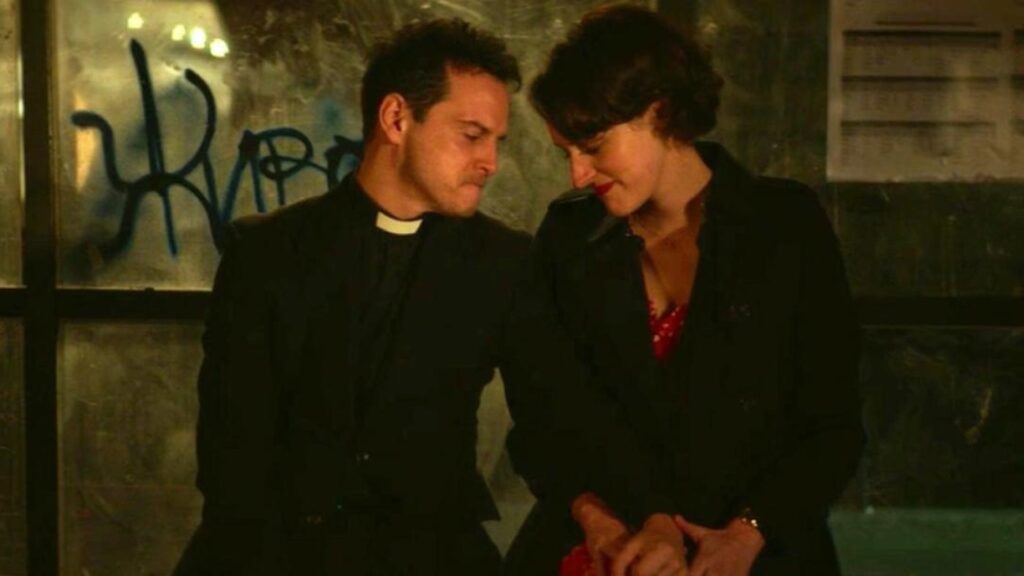
The final episode is where the series really lives up to its reputation. As Fleabag and the Priest finally admit their feelings for one another, their relationship inevitably ends. The Priest selects his religion, and Fleabag realizes that she can’t keep on using the audience to evade reality.
In case you missed it: The Brilliant Symbolism Behind ‘Fleabag’ Fox In Phoebe Waller Bridge’s Iconic Show Explained
The final moments are devastating precisely because Fleabag doesn’t look at us the way she normally does. Instead, she essentially tells us that it is time to leave. Then she walks away. That goodbye alters the meaning of all previous fourth wall breaks. Suddenly, it seems like a stylistic decision, and not a reflection of Fleabag’s emotional state.
She doesn’t need the audience in the same way anymore. She has experienced genuine connection, heartbreak, and vulnerability, and now she has to continue without hiding behind us. Honestly, that is why Fleabag Season 2 created such a problem for everyone who came afterward. Breaking the fourth wall can still be funny and clever. However, ‘Fleabag’ demonstrated how emotionally meaningful it could become.
You might also like to read: The Most Twisted Dark Comedy TV Shows, Ranked