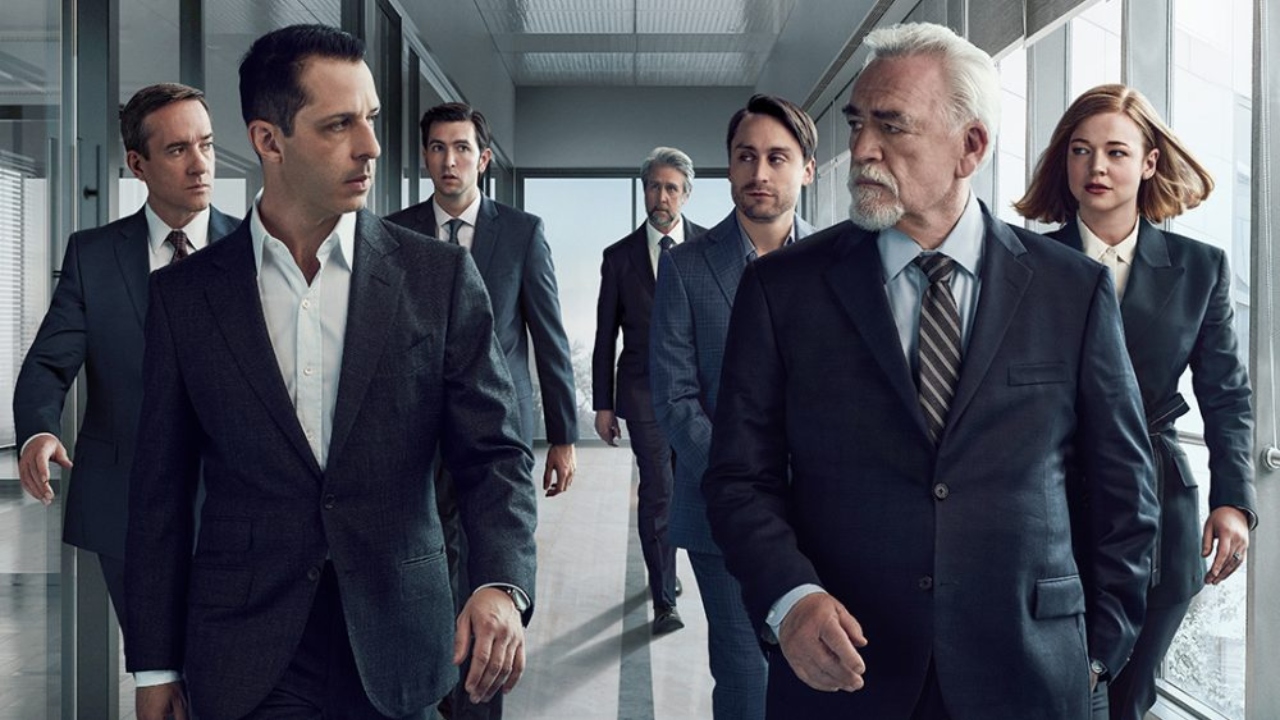
The weird thing about ‘Succession’ is that no one in the Roy family is a likable character. They’re self-centered, deceptive, insecure, mean, and sometimes petty. But somehow, the show is even more interesting because of it.
Over the course of four seasons, Succession has demonstrated that TV doesn’t require a traditional hero to hold viewers’ attention. It just requires characters who are painfully human and fascinating.
The Roys Were Terrible, But Never Boring
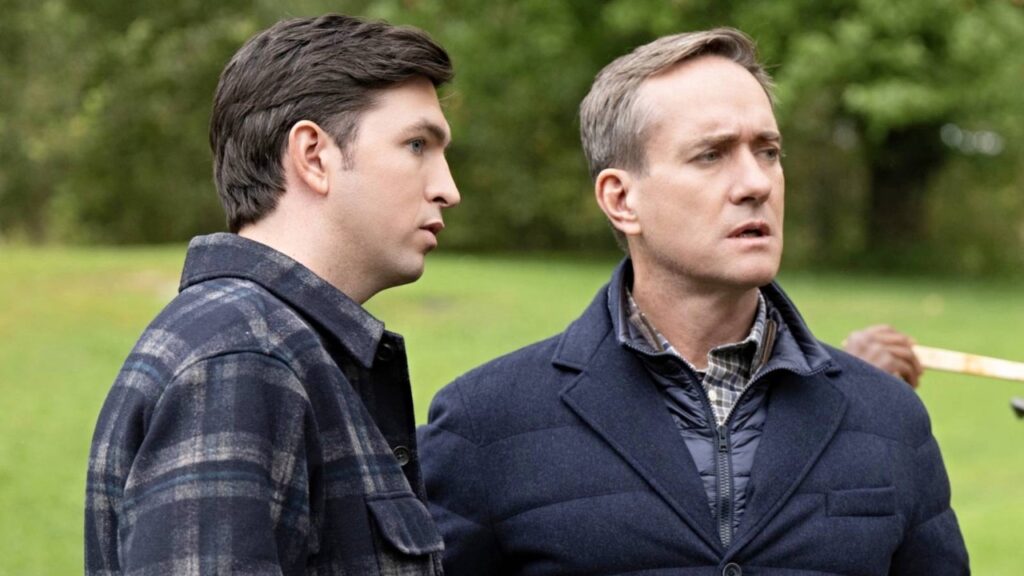
The heart of the narrative is the ruthless media tycoon Logan Roy, a ruthless media billionaire whose greatest weakness is also his greatest obsession: control. He refuses to give his children what they need the most: his approval. Throughout the series, Kendall, Roman, and Shiv all attempt to prove themselves worthy to take over Waystar Royco.
Related: The Most Twisted Dark Comedy TV Shows, Ranked
In the process, they destroy each other when they get a chance to do so. Kendall may be the show’s closest thing to a protagonist, but he’s not a typical hero. He betrays his father, tries to overthrow him, uses his children as part of his publicity, and grows more obsessed with his right to the throne. His desperation can’t be denied.
When he finally breaks down and yells that he is “the eldest boy”, it is almost heartbreaking and at the same time hilarious. That’s what makes ‘Succession’ work. Each Roy was a little bit distasteful, but also familiar. Behind the jokes and inappropriate behavior, Roman hides his vulnerability. Even when it’s her own ambition that gets in the way, Shiv always seems to be the smartest person in the room.
Connor, despite his ridiculous political ambitions, genuinely believes his siblings should respect him. Tom is often pathetic, opportunistic, and cruel, but his need to fit in with the Roy family makes his actions surprisingly understandable. Then there is Greg.
The series opens with Greg as an awkward outsider, seemingly harmless. However, as the seasons go on, he learns how to survive by clinging to any power that is in place. His growth is humorous, yet disturbing. Greg is not evil; he’s just being taught the rules of the world he’s in.
The strength of the show is that it does not call us to forgive these people. Rather, it makes us understand them. That distinction matters. A character doesn’t need to be good to have believable emotions. When Kendall breaks down after Logan’s death, or Roman struggles to keep himself together, or Shiv realizes that she may never truly control the company, it creates emotional investment without requiring the audience to approve of their choices.
The Family’s Humanity Made The Ending Hurt
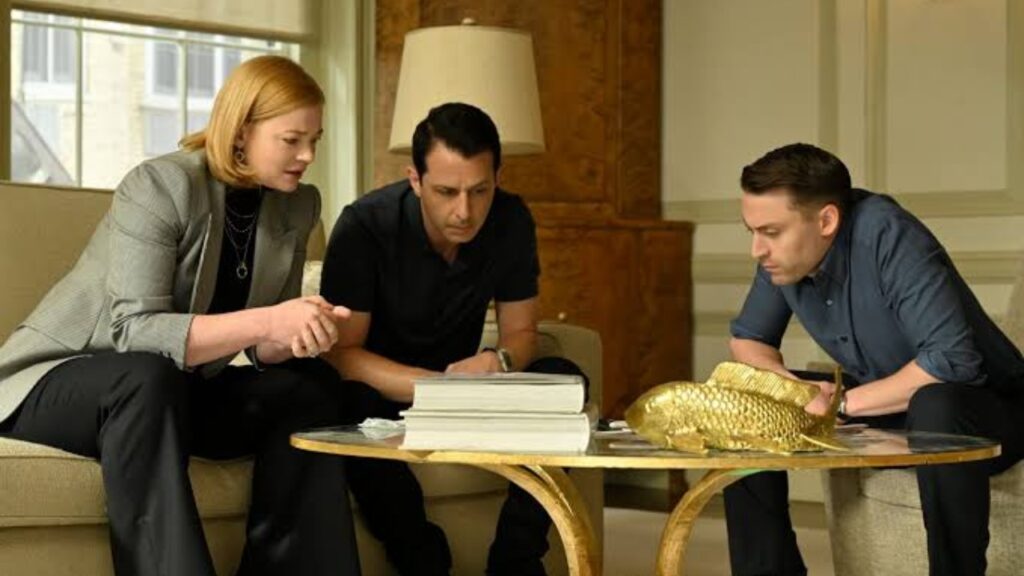
This is particularly apparent in the final season. When Logan suddenly passes away, the stakes are even harsher for succession as the kids are no longer vying for their dad’s attention. They’re fighting over his body, figuratively speaking, and his empire. Kendall, Roman, and Shiv keep making alliances and then break them up.
In case you missed it: 15 Best Eat-The-Rich Movies
Their relationship turns into a vicious circle. They like each other, hate each other, defend each other, and even betray each other, all at the same time. The result is a clean sweep denied to them all. Kendall’s lifelong company is lost. Roman leaves with a broken heart. Shiv makes a devastating calculation about her future and Tom’s position, choosing a relationship that is far from romantic but perhaps strategically useful.
That’s why ‘Succession’ is so powerful. There was never the need for a character to root for. It provided us with characters that we could identify with. We’ve all had the feeling of insecurity, jealousy, wanting to be accepted, fear of failure, or a need to be important.
The Roys just had those feelings with billions of dollars, huge egos, and devastating consequences. That’s the best part of the show. ‘Succession‘ taught us to take an interest in individuals we often despised, because beneath their wealth and cruelty, they were desperately trying to be loved. And it’s a lot more interesting than having a hero to root for, anyway.
You might also like to read: The Dark Reality of Marilyn Monroe’s On-Set Struggles That Turned Hollywood Against Its Biggest Star