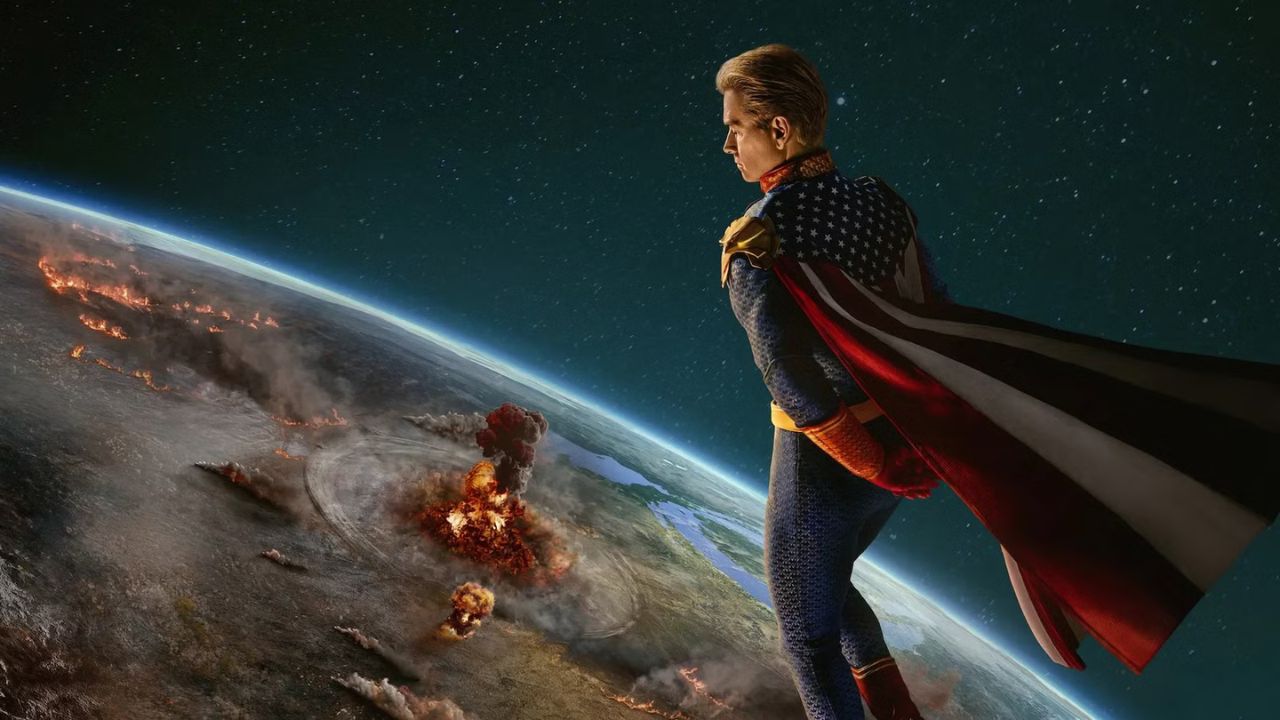
Even after spending seven years exploring and innovating the superhero genre with bold storytelling, unexpected plot twists, and an unwillingness to abide by the conventions of typical TV shows, ‘The Boys‘ series finale has underwhelmed its audience with its conclusion.
The eighth episode, ‘Blood and Bone,’ was reminiscent of the disappointing ending of ‘Game of Thrones.‘ While the entire show thrived on tearing down conventions, ridiculing executives, and developing a unique story full of shocking payoffs, the last season couldn’t quite live up to the expectations. Here’s a look at factors that led to the show’s fall from grace.
A Lackluster Ending Due To Filler Season Episodes
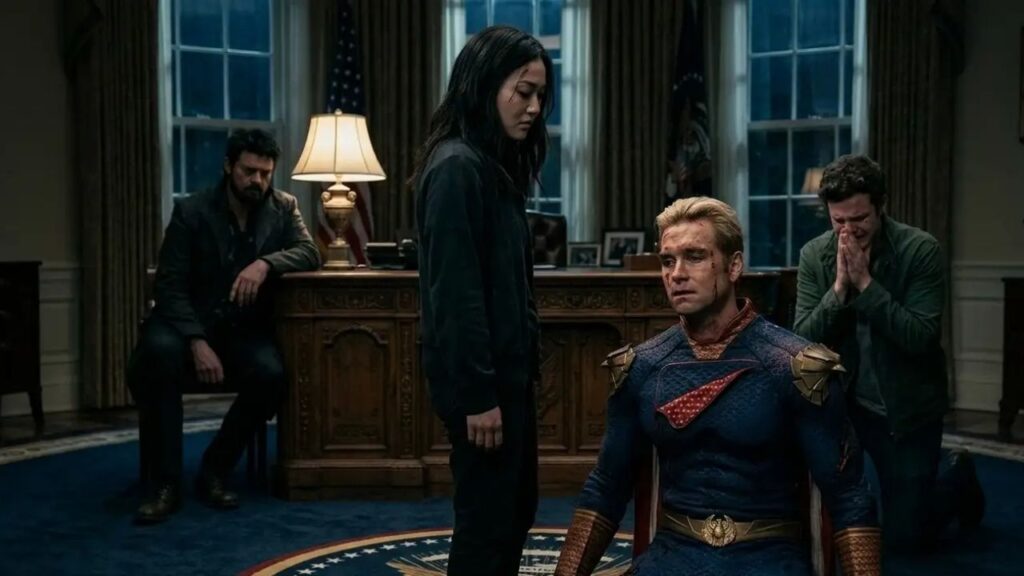
Fans had earlier expected each episode to build tension and anticipation, making the powerful finale even more effective. However, the show’s final season lacked consistency and felt unnecessarily drawn out. Instead of amplifying tension for the ultimate showdown, the writers wasted screen time on meaningless events.
Related: Karl Urban’s Response To ‘The Boys’ Season 5 Criticism Is Pure Billy Butcher Energy
The characters took part in irrelevant fight sequences, got distracted by their own problems, and did anything but advance the central plot. As a result, the finale seemed to be crammed with numerous crucial developments. Major political changes, betrayals, deaths, and even the collapse of key structures occurred almost simultaneously.
It forced viewers to process everything too quickly, preventing them from fully absorbing the emotional impact. The inadequate buildup throughout the previous seven episodes led to a rushed and confusing finale. It left viewers struggling to understand why everything unfolded so abruptly.
A Less Menacing Homelander Due To Melodramatic Tropes
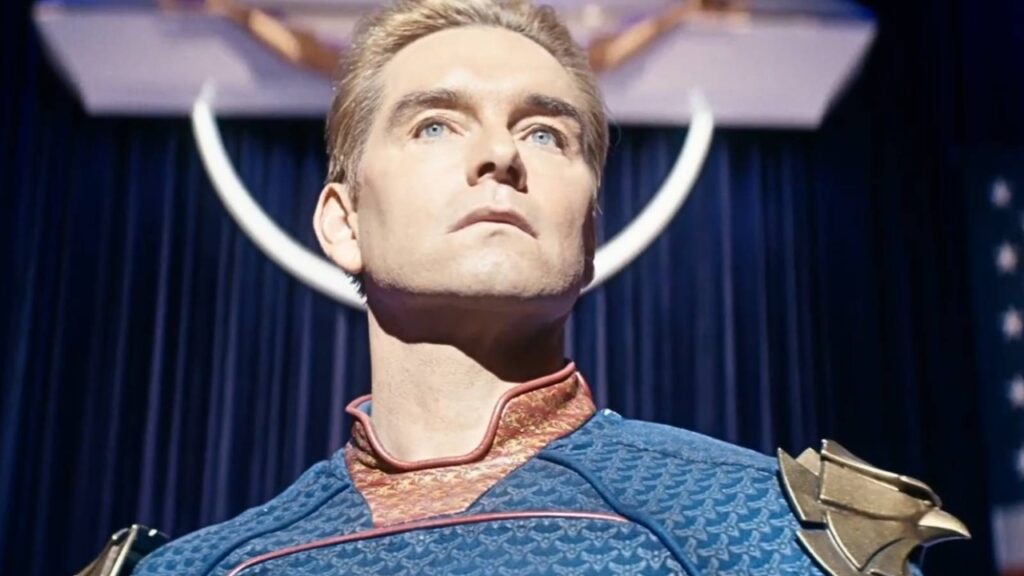
Though the core problem with the show’s finale was its poor plot and structure, the character development also played some part. Having built up a reputation as an unpredictable and horrifying villain for the entirety of the show, Homelander sadly falls prey to emotional theatrics.
Previously considered a ruthless villain willing to kill anyone without mercy, he suddenly loses his edge in front of his adversaries in the finale. To bring out the emotions and drama in the show, the writers resorted to clichés common to theatrical melodramas, completely distorting the character arc.
In case you missed it: ‘The Boys’ Finally Makes Soldier Boy Feel Like More Than A Walking Punchline
Also, Homelander repeatedly allowed opponents to survive long enough to say their goodbyes, deliver emotional speeches, and even share final kisses. The terrifying villain who once represented chaos and absolute danger suddenly became strangely vulnerable and restrained. In the process, the finale weakened the image of one of modern television’s most fascinating antagonists.
Cheap Shock Value Over Substance
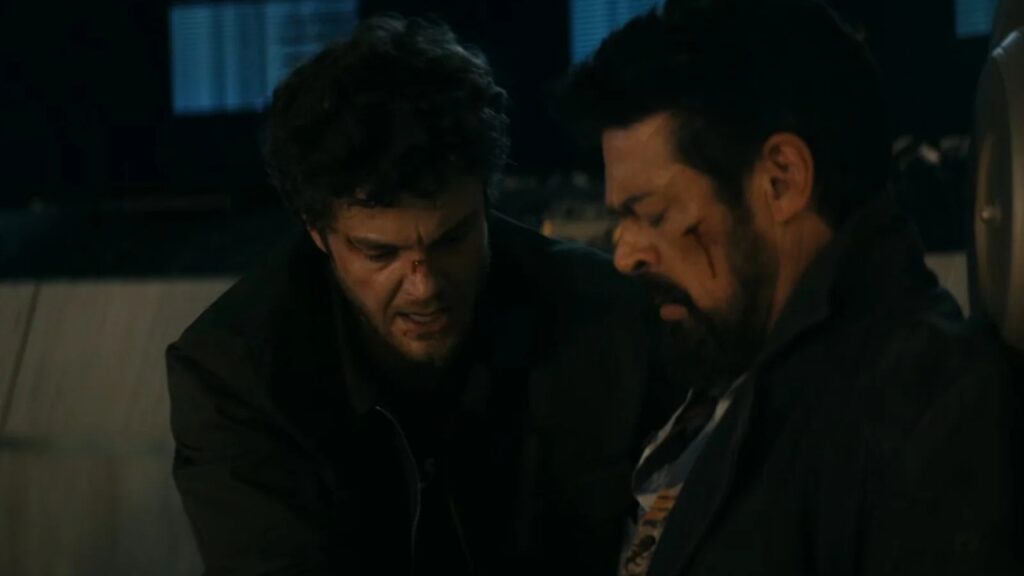
The final episode definitely lived up to its promise of delivering a brutal body count. However, the manner and mechanics of these deaths drew overwhelming criticism. The writers chose to resolve the central conflict with a subversive twist rather than with actual thematic satisfaction. The cinematic showdown with Homelander completely circumvented the years of meticulous planning by the team to bring down the godlike Supe.
For viewers who saw Kimiko siphon Homelander’s powers before the team killed him with a crowbar, it felt extremely unsatisfying. The show had built up viewers’ expectations for a psychological or tactical defeat of the most dangerous being in the universe. Reducing this to a simple act of power-sapping took away much of the moment’s grandeur. Another source of dissatisfaction among viewers came from the emotional bond formed between the two lead characters, Butcher and Hughie.
For those who watched Hughie grow and change under the mentorship of a dark, paternal figure, watching him kill an unhinged, virus-spreading Butcher felt like an outright betrayal. While the show’s nihilistic attitude towards heroism is well-established, this shocking, emotionally depressing resolution became a hallmark of poor plotting for many fans rather than a deep, artistic message.
Another aspect of the show’s controversial ending concerns the franchise trap. The episode finale left enough openings for other spin-offs and unexplored plotlines to undermine the series’ finality. Instead of a definitive conclusion, viewers got the distinct sense that corporate interests and franchise longevity took precedence over artistic satisfaction.
The Curious IMDB Case
To add fuel to the fire, the show’s controversial reception has also heavily affected its perception online. Days after the finale aired, ‘The Boys’ experienced a digital backlash that only reinforced the negative feelings surrounding the conclusion. One such incident involved a bizarre pattern in the display of the finale’s IMDb score immediately after its release. It was profusely discussed in Reddit threads.
Despite the active participation of thousands of viewers logging their ratings, the platform’s score remained frozen for an unusually long time. Once the user reviews were finally populated, a peculiar surge of 10/10 ratings began appearing all at once, hinting at an attempt to manipulate the overall score. It appeared suspicious that many of these high ratings potentially contained signs of generative artificial intelligence.
The reviews featured overly structured language, lacked individual personality, used repetitive vocabulary, and failed to provide specific details about the episode. This pattern led to widespread speculation that the show’s producers flooded the platform with fake reviews they commissioned. Fans believe that the network or affiliated organizations actively tried to buffer the falling scores with a flood of positive ratings aimed to offset the organic, angry reactions.
Ultimately, what hurt ‘The Boys‘ was not a bad concept, but a loss of its signature edge in the finale. In trying to create an emotionally cathartic and cinematic event with an eye on the franchise’s longevity, the writers compromised the narrative and artistic integrity of the ending. Much like ‘Game of Thrones,’ it became another example of how even the most fearless and revolutionary shows can collapse when spectacle begins to overpower storytelling.
You might like to read: ‘The Boys’ Season 5 Just Reminded Fans Who Billy Butcher Really Is