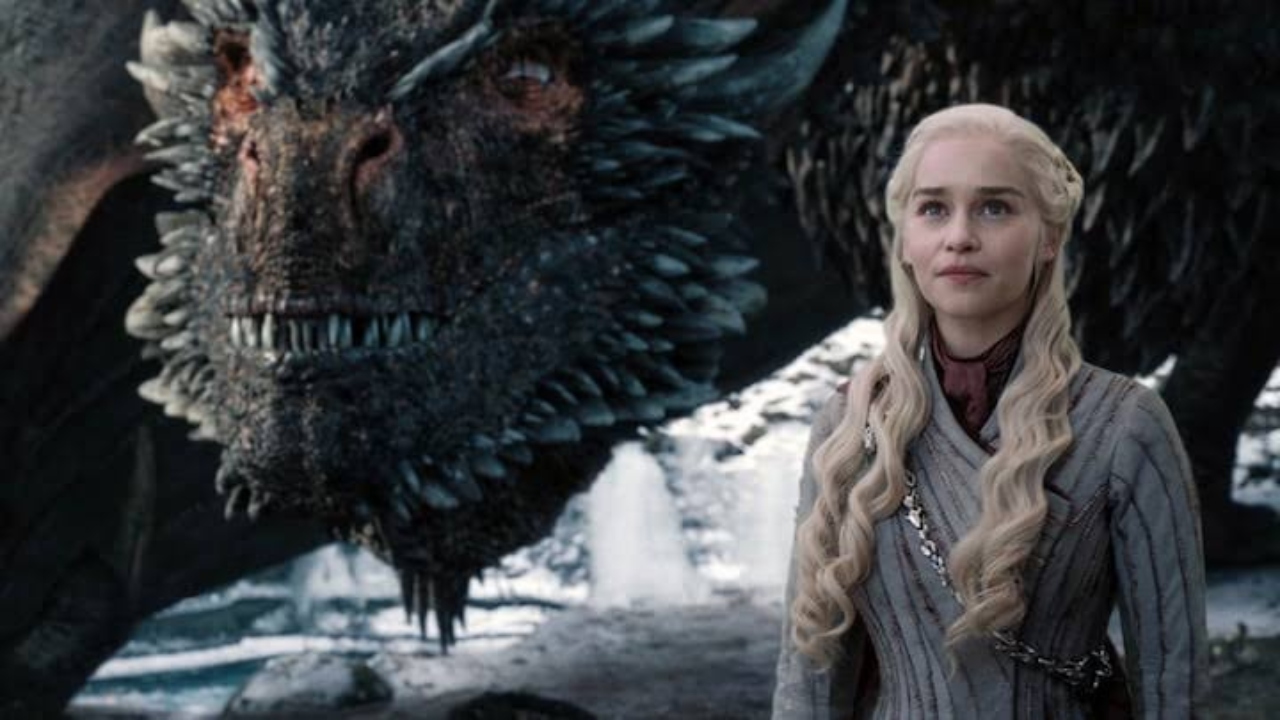
Hollywood is fond of revisiting what has worked before, yet not all revisions are created equal or with the same intent. The new ‘Game of Thrones: Aegon’s Conquest’ promises an ambitious growth of the world.
But ‘The Lord of the Rings: The Hunt of Gollum’ and other Middle-earth productions run the risk of feeling like a re-enactment of something we have already seen and enjoyed. It is not only about prequels and sequels. It is about whether a story is self-sufficient or is overly reliant on nostalgia to warrant its being.
Westeros Is Building New Legends, Middle-earth Is Repeating Old Ones
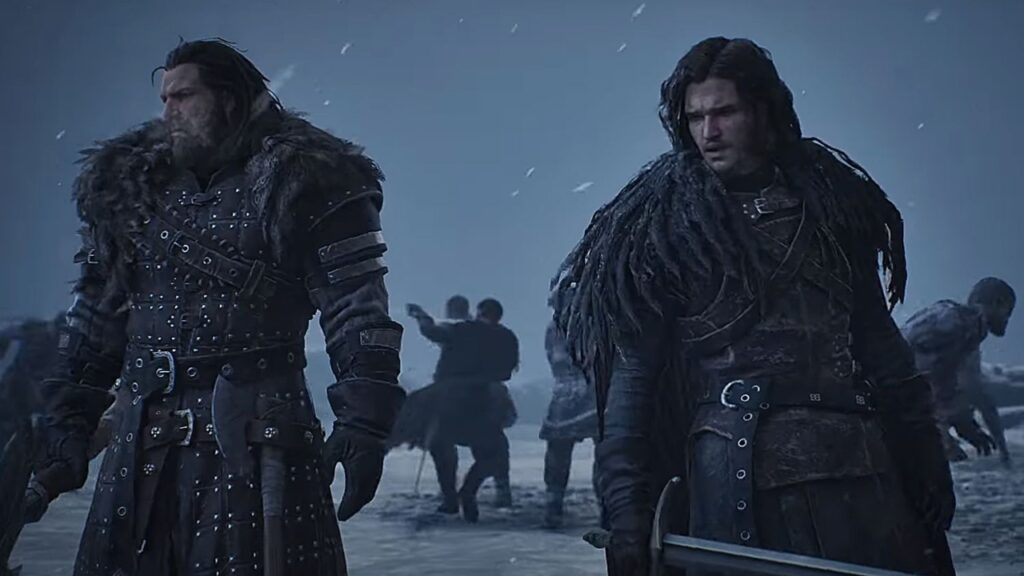
The distance is what makes Aegon’s story more interesting. It is a clean slate of a narrative, set long before the events of ‘Game of Thrones’ and even ‘House of the Dragon’. New characters, new battles, and an era of Westeros history that has yet to be completely tackled onscreen, it is precisely the type of storytelling that begs both longtime fans and newcomers.
Related: HBO CEO Explains Why Fewer ‘Game Of Thrones’ Spinoffs Might Be A Good Thing
It is exciting not knowing how every moment will unfold. Of course, we have the general outlines: Aegon unites the Seven Kingdoms. However, the human price, the relationships, and the emotions are all still very much in the air. That discovery feeling is more important than studios think. More to the point, it does not seem like it is attempting to replicate previous magic. It is constructing its own.
Middle-earth Risks Living In Its Own Shadow
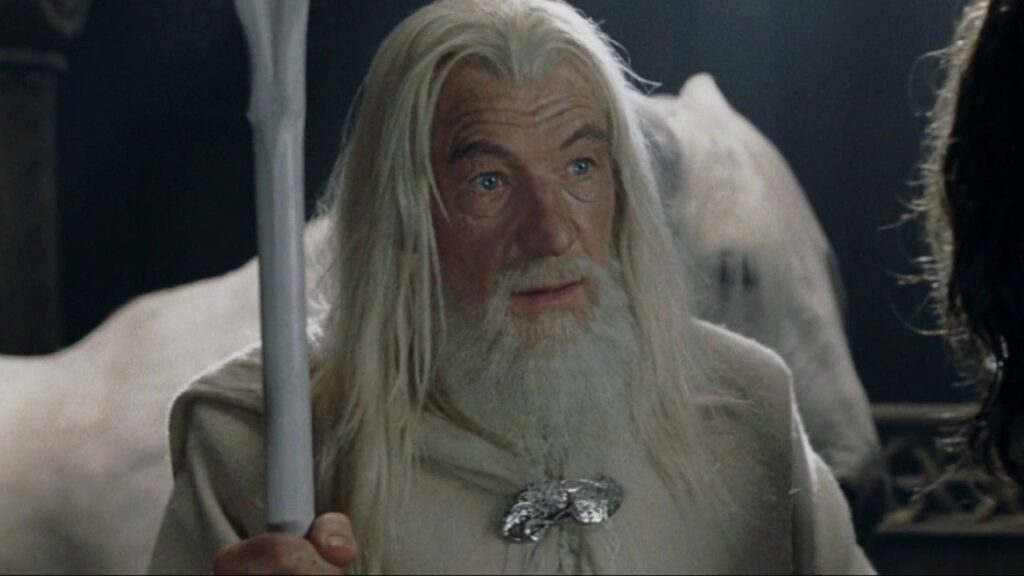
And now compare that to what is going on with The ‘Lord of the Rings’. The next movies, like ‘The Hunt for Gollum’, are closely interconnected with the action of ‘The Fellowship of the Ring’. That relationship may sound good on paper, but it has a significant drawback: constant comparison.
In case you missed it: ‘Game Of Thrones’ Finale Looks Less Cruel After George R. R. Martin’s New Comments
And that is a hard battle to fight. The original trilogy not only succeeded, but it also established an almost unattainable benchmark. The movies were full, well-developed, and emotionally fulfilling. Attempting to fit new stories into the spaces between that story is likely to make them seem superfluous, like footnotes instead of chapters.
The appearance of familiar faces, even those of Ian McKellen, only puts a strain rather than a relief. It reminds viewers of the previous, and it begs to be compared. That is the difficulty of it. It is one thing to expand a universe. Another is to justify why expansion is needed.
Ultimately, the viewers do not simply desire to re-explore the worlds, but they need a motive to care about them once again. At this moment, Westeros seems ready to offer that. Middle-earth? It might need to dig a little deeper.
You might also like to read: George R. R. Martin Planned A More Brutal Fate For Sansa Stark