Prestige television has delivered many unforgettable shows, but few have left behind a legacy as frustrating as ‘Rome‘. The HBO-BBC historical drama arrived with grand ambition and promised a lot. But despite all that, the series disappeared after just two seasons.
Viewers saw a richly detailed portrayal of ancient history, backed by powerful performances and large-scale production that felt ahead of its time. Yet behind the scenes, key decisions from the network slowly pushed the show toward an early end. So, why did HBO end it so quickly when it seemed like it was just getting started?
Why HBO Couldn’t Keep ‘Rome’ Going?
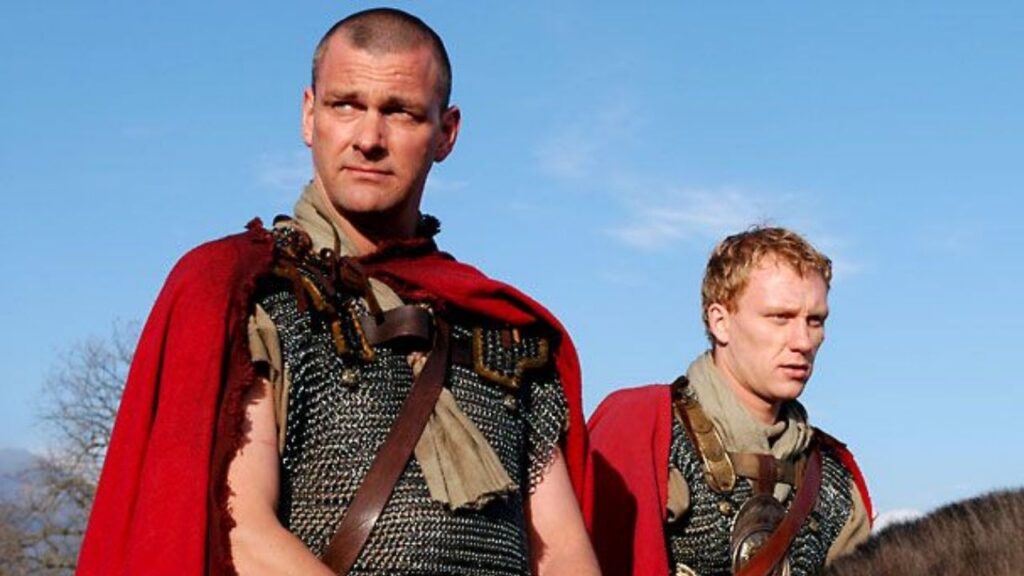
‘Rome‘ was created by Bruno Heller, John Milius, and William J. MacDonald, and quite naturally, the series never aimed small. The story followed ancient Rome during one of its most dramatic eras, showing the rise of an Empire through political deals, violence, loyalty, and betrayal.
Related: Arya Stark’s Story Could Prove Be HBO’s Boldest Move After ‘Game Of Thrones’
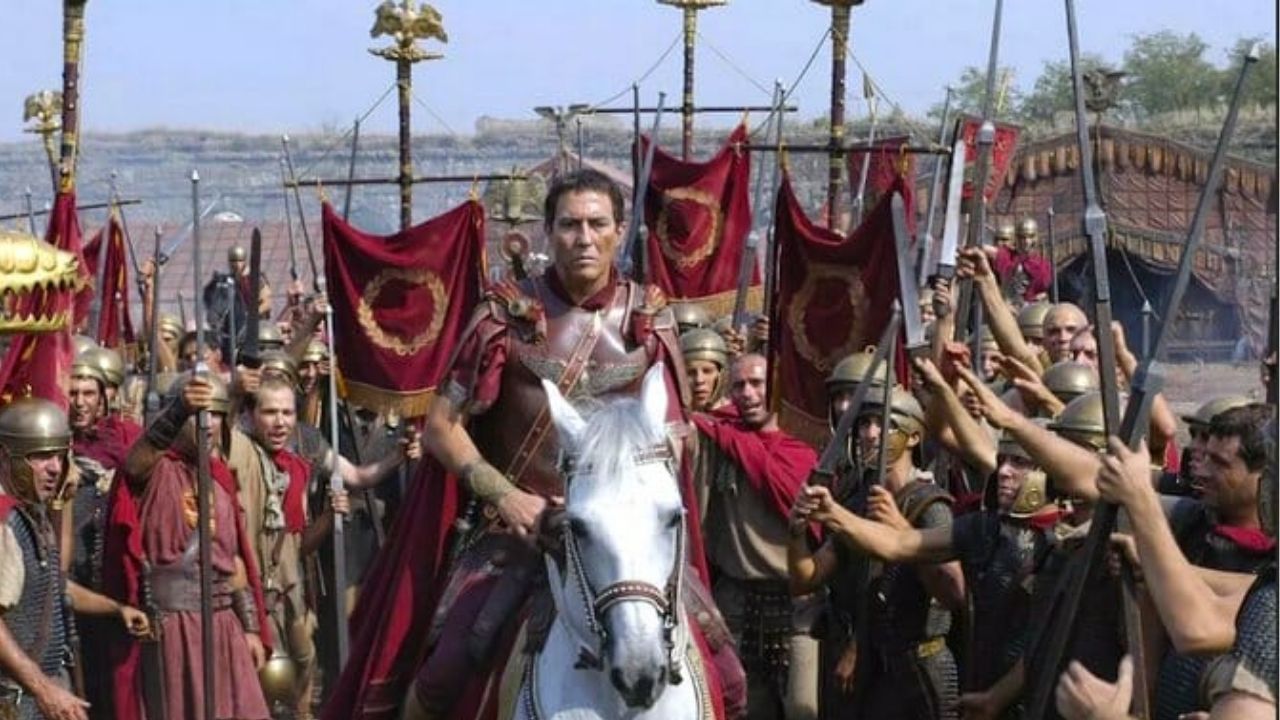
Cinecittà Studios played a huge role in making the show look expensive and kind of a big deal. Giant sets, detailed streets, packed scenes, and period costumes turned every episode into a standard television cinema.
The series received strong reviews and earned multiple Emmy wins, which suggested that HBO had a major hit on its hands. Ratings also remained solid during its initial run. However, the biggest challenge came down to finances. But big ambitions come with big bills, and ‘Rome’ carried a cost that was hard to sustain.
Looking back, Bruno Heller explained just how groundbreaking the show was. He told Entertainment Weekly in 2014 that “‘Rome’ was the first show HBO shot out of the country with [a] large budget that was period,” highlighting how it set the stage for future productions like ‘Game of Thrones‘. Still, the audience size did not grow quickly enough to support.
The Decision That Sealed The Show’s Fate Ultimately
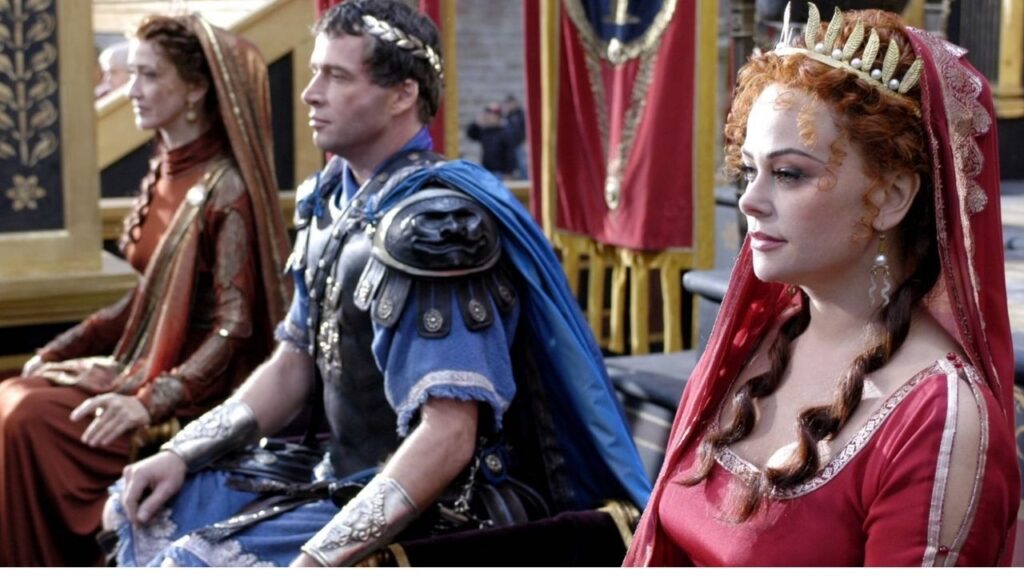
The first season performed well, especially with ‘The Sopranos‘ helping bring in viewers as a lead-in. Many believed the show would continue for several seasons. However, internal decisions told a different story much earlier than fans realized.
By mid-2006, HBO had already decided not to move forward with a third season, even before Season 2 reached audiences. Then-CEO Chris Albrecht made it clear that the decision was based on economics, pointing directly to the high production costs. The BBC, which had partnered with HBO, withdrew its funding after the initial agreement, leaving HBO to carry the full financial burden.
In case you missed it: The Forgotten TV Series That Inspired HBO’s ‘Euphoria’
The show had originally been planned as a limited series, and the second season only came together because of strong scripts and positive reception. Even so, the audience had not yet reached the level needed to justify the expenses. Over time, ‘Rome‘ gained a larger following through DVD releases, but that came after the cancellation decision.
Regret later surfaced within the network. Kevin McKidd revealed that some executives reconsidered the decision once Season 2 aired. He shared, “[But] they couldn’t go back on that,” and explained that reversing the decision was not an option at that stage.
Financial strain was not the only issue affecting the show. Kevin McKidd suggested that production practices in Italy may have further increased costs. He recalled hearing discussions about materials and said, “I heard enough to know [about] the scaffolding.” He also described how the team faced unusual limitations, adding, “You can’t buy that much scaffolding, but you can rent it from my brother.”
Creative uncertainty added another layer of concern. Bruno Heller admitted that the team did not follow a strict long-term plan. He explained, “The mistakes we made are the mistakes ‘Game of Thrones’ learned from,” and noted that they were “making it up as we went along instead of having those wonderful books,” which made it harder for executives to feel confident about the show’s future.
Once cancellation became inevitable, the writers had to speed through major storylines. Heller later explained how he handled it, saying, “I telescoped the third and fourth season into the second one,” which explains the rapid pacing toward the end of the series. There were discussions about continuing the story through a film, but the idea never moved forward.
The cancellation also proved a hard truth about television. Quality alone doesn’t guarantee survival when production costs stay sky-high. ‘Rome‘ demanded enormous resources to maintain its scale, and that made continuing the show impossible.
You might also like to read: HBO’s ‘Lanterns’ First Look Proves Hal Jordan Has Finally Found His Perfect Live-Action Match