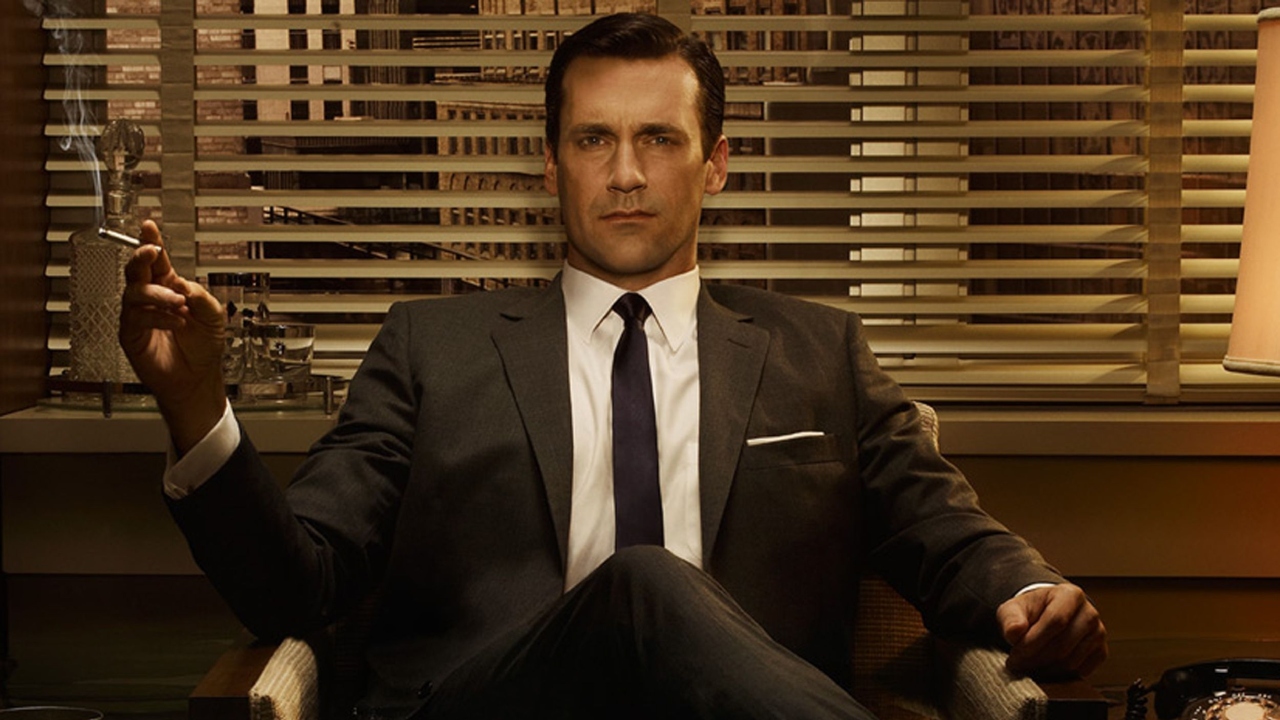
For a show supposedly about selling things, ‘Mad Men’ spends remarkably little time caring about the things its characters sell. Advertising is the machinery, not the subject.
Under the cigarette pitches and whiskey campaigns and slick presentations, Matthew Weiner’s series is more concerned with a feeling that can’t be captured by a billboard: the quiet fear that the life you were promised may not be the one that makes you happy.
‘Mad Men’ Understood That Success Can Be Its Own Kind of Prison
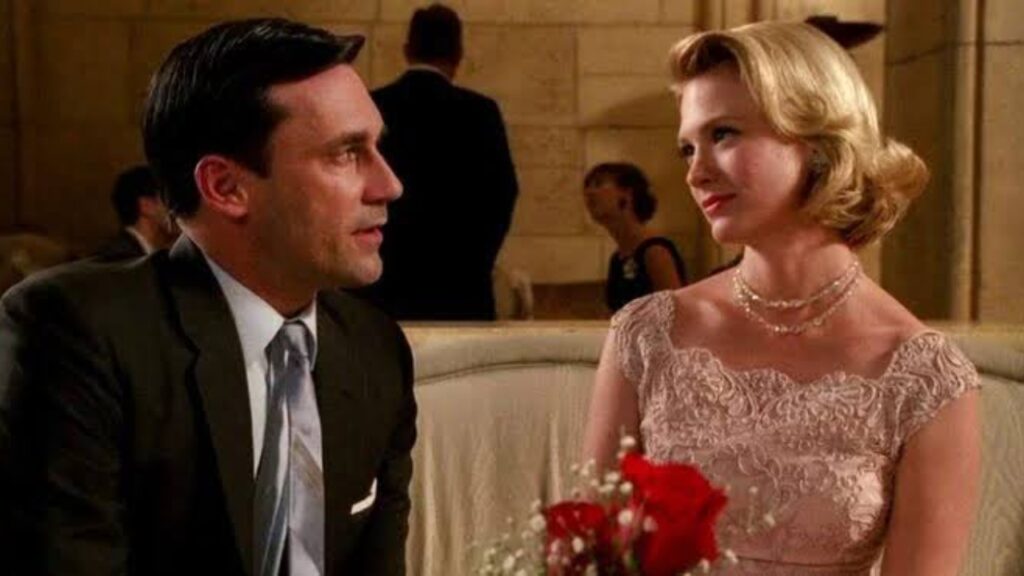
Don Draper is the most obvious manifestation of that fear. He appears to have all the things America told him he needed: a lovely suburban home, a spouse, kids, cash, a good job and the kind of self-assuredness that makes other guys envious. But he is always running away from himself. It’s a cruel irony.
Related: 10 TV Shows That Ended At The Perfect Time
Don is one of the top salesmen in the country at selling people happiness, while being completely incapable of believing the pitch himself. The entire concept of the show is summed up in the iconic Carousel presentation from Season 1. Don sells Kodak’s slide projector by selling nostalgia, which he calls a machine that takes you back through memories.
His pitch is effective because he knows something that is very human: People don’t buy products; they buy the feeling that their lives can be made whole again. Then Don returns home to his own family, who should embody all that he just sold to Kodak. Rather, his marriage to Betty is everything but perfect.
This contradiction is present throughout the series. The Draper house is a perfect exterior, but it’s filled with loneliness, resentment, and secrets. Betty is unhappy because she’s been stuck in an idealized version of domestic perfection. Don is unhappy because he built an identity around being someone he isn’t. Their children grow up watching two adults perform happiness rather than actually experience it.
Peggy Olson’s journey is no exception. She comes to believe that with her success in the business world, she will be able to break free from the constraints imposed on women. She does get up; she becomes a powerful creative force, but success doesn’t automatically cure her loneliness. The show doesn’t give her a walk-away win because ‘Mad Men’ knows that progress and fulfillment aren’t synonymous.
Nobody Made The American Dream Look Sadder Than ‘Mad Men’

The series is even more compelling when history starts interfering with the characters’ carefully controlled lives. The assassination of President John F. Kennedy breaks the façade of stability and predictability in America. The moon landing, the Vietnam War, the civil rights movement, and the transformation of the culture gradually rendered the old world obsolete later.
In case you missed it: Top 10 TV Show Storylines Writers Want Us To Forget
The characters are attempting to sell the future as they desperately cling to the past. One of the most heart-wrenching examples is Sally Draper watching her father over the years. She starts as a kid who admires Don, and slowly gets old enough to see through his hypocrisy. By the later seasons, she understands that her father isn’t the mysterious hero she once imagined. He’s simply a damaged man trying to keep moving.
That realization feels bigger than Don. It is the show’s larger argument about America itself. At the end, Don has seemingly vanished into California. Then comes the well-known Coca-Cola commercial. It is a matter of debate whether his meditation at the retreat actually is inspirational or whether he is just “in the moment” and using it as a sales pitch. However, this is the right kind of ambiguity.
Don has spent his entire life turning pain into something marketable. ‘Mad Men’ isn’t really saying advertising killed the American dream. It suggests something more unsettling: advertising understood the dream’s emptiness before most people did. It learned how to package loneliness as desire, insecurity as ambition and nostalgia as happiness.
That’s why the show still hurts. That’s why the show still hurts. Don, Betty, Peggy, Joan and Roger are not only relics of the ’60s. They are individuals who find out that the things you are supposed to want are not necessarily the things that make you happy.
You might also like to read: Top 10 Movies That Exposed Hollywood