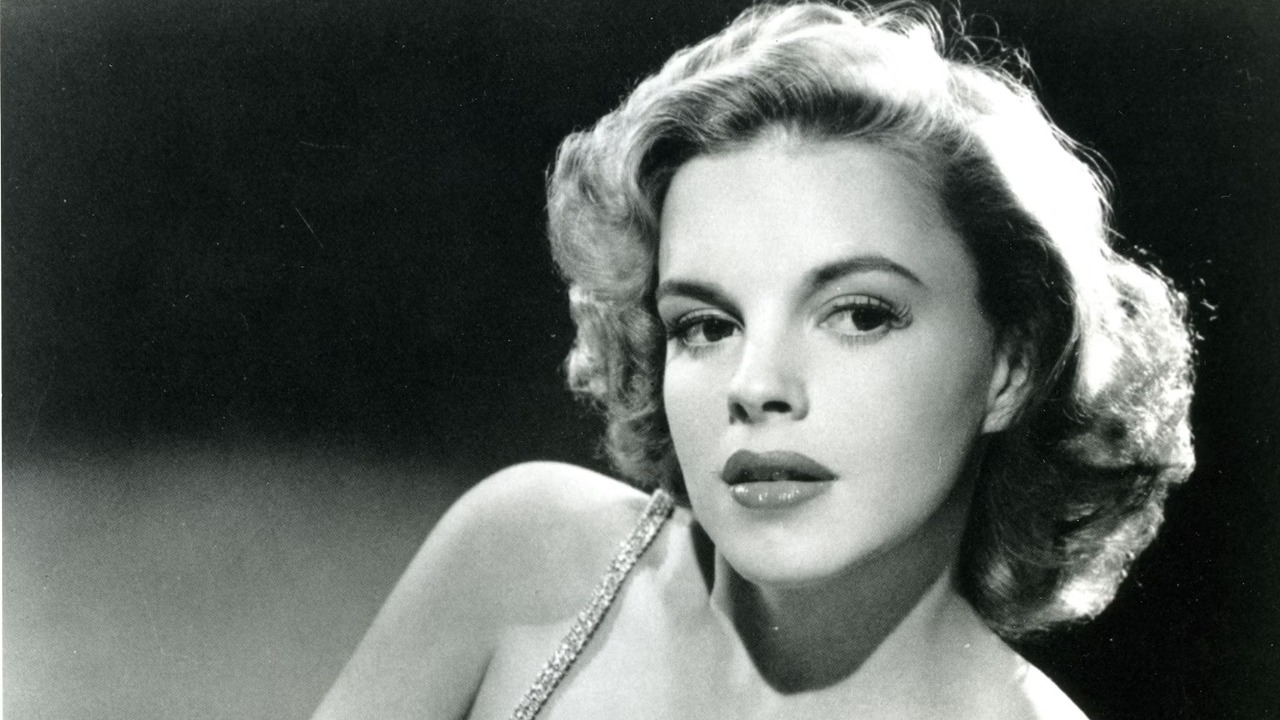
By the winter of 1962, Judy Garland was already a ghost haunting herself. She was 40 years old and carried the scars of three decades in Hollywood. She had suffered a nervous breakdown, tried to kill herself by slashing her wrists, and had become dependent on the same amphetamines the studio system fed her to keep her working. When she arrived at Shepperton Studios to shoot ‘I Could Go on Singing‘, the movie was supposed to be her big return to the musical screen. Instead, it turned into a horrible real-life drama that nearly ended in tragedy before the cameras even stopped.
The film was originally called ‘The Lonely Stage‘. It was a case of art copying life so directly that it made people uncomfortable. Garland played Jenny Bowman, a famous singer who, like Garland herself, was fighting weight gain, emotional problems, and the pain of a broken relationship with her child. Critics would later praise her “vibrant, vital performance,” but what really happened on set was a slide into chaos. For the people working on the movie, the line between the actress and the role disappeared almost right away.
Judy Garland’s On-Set Collapse and Overdose
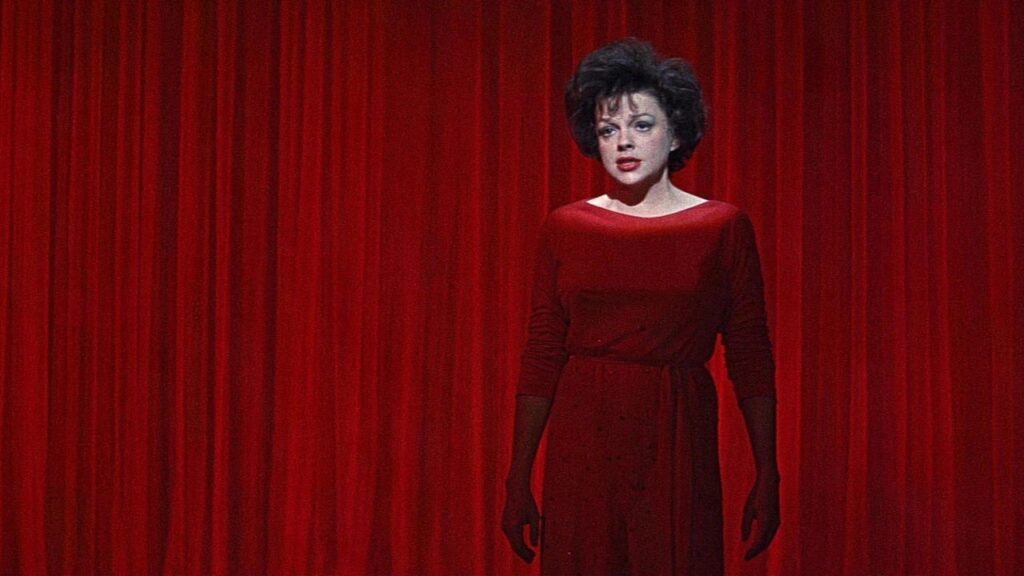
The shoot kept getting delayed and cost a huge amount of money. The studio lost $50,000 for every day Garland did not show up. When she did come to work, her behavior was all over the place. According to people who were there, the producers kept a guard posted outside Garland’s hotel room to check on her.
Related: Cary Grant Refused This Judy Garland Classic Because He Was Too Intimidated
One night after a particularly hard day, the worst happened. Garland called her friend Frank Sinatra in Australia and whispered that she “couldn’t take it anymore” and was “saying goodbye.” Immediately, panic spread from Australia to Hollywood to London, and the guard outside her room broke down the door. He found the woman who had charmed the world as Dorothy in ‘The Wizard of Oz‘ lying half-conscious with empty pill bottles scattered on the floor.
Garland was rushed to a London hospital and had her stomach pumped. She lived, but in a moment that shows how cold the movie business was in the 1960s, the main concern of the producers was not her health. It was the schedule.
A source who worked on the film later talked about how heartless the industry could be: “When you are making a film, nothing in the whole world matters, except making that film.”
Behind the Scenes Control and Industry Cruelty
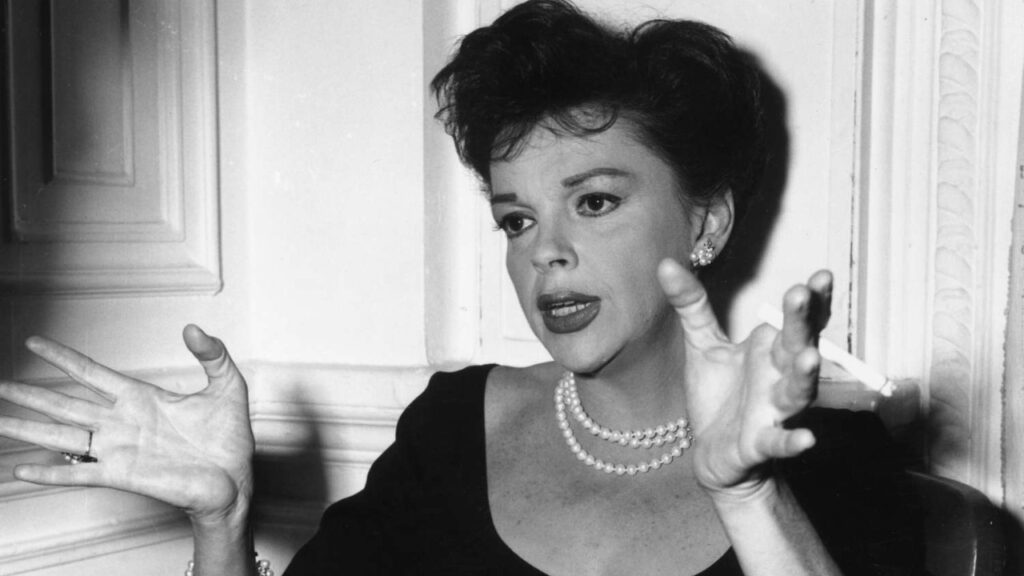
The next day, Garland’s psychiatrist called the studio bosses and branded them “evil corrupt monsters” for destroying the star. He said she was in no shape to work. But within days, the psychiatrist was negotiating her return like a Hollywood agent, trying to figure out how many days she still owed the studio.
In case you missed it: The Heartbreaking Truth About Judy Garland’s Life After ‘The Wizard of Oz’
This two-sided nature was Garland’s sad trademark. Behind the scenes, she was falling apart. On stage, she was amazing. An assistant who watched her warm up in New Jersey before filming started described seeing “a short, fat, middle-aged woman” in a babushka change. When the music started, “something remarkable is happening. Her legs are getting longer, her body slimmer… she opens the curtain and strolls out… and – dear God – it’s Judy Garland singing ‘Chicago’ and knocking them dead!“
She used this power to control the production and got the film’s writer fired, but then made him keep working in secret. She tried to get the director, Ronald Neame, fired too, but the crew said they would walk off the job if she did. Her co-star Dirk Bogarde tried to help by rewriting her lines to give her more control, but the whole production was a war of attrition.
The Film’s Legacy and Judy Garland’s Final Curtain
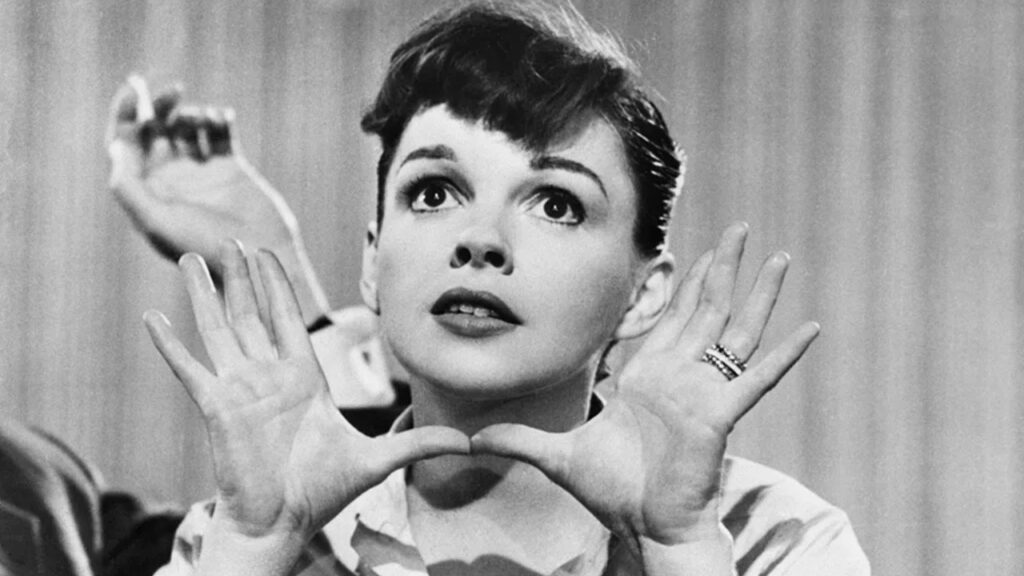
Even with all the chaos, ‘I Could Go on Singing‘ got finished. The reviews were respectful. They talked about her “throbbing voice” and her “aglow” eyes. However, it was not the comeback she needed. The movie is not remembered as a great film. It stands more like a documentary of survival.
It was Judy Garland’s last picture. Six years later, in 1969, she was found dead in her London home at the age of 47 from an “accidental” overdose of barbiturates. It was the final verse of a tragedy that nearly played out while she was making her swan song.
For the people who saw the making of ‘I Could Go on Singing‘, the title did not feel like a happy anthem. It felt more like a desperate prayer whispered in the dark.
You might also want to read: Judy Garland Lost This Cult Classic Role Just Months Before Her Final Film