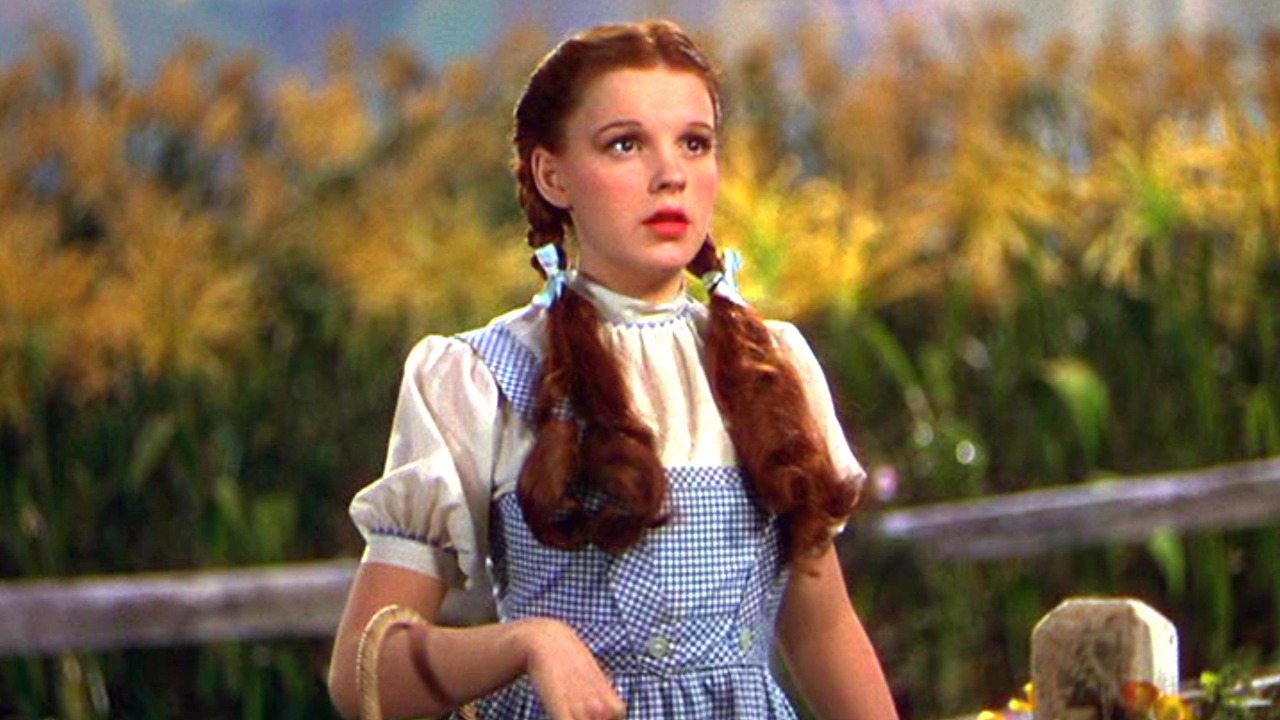
For the millions who watched her skip down the Yellow Brick Road in 1939, Judy Garland was the embodiment of hope. As Dorothy, she sang of a world “where the clouds are far behind her.”
But for the 17-year-old behind the gingham dress, the rainbow led not to happiness, but to a 30-year battle with addiction, exploitation, and financial ruin that would end with her death at just 47.
How MGM Created a Teenage Addict
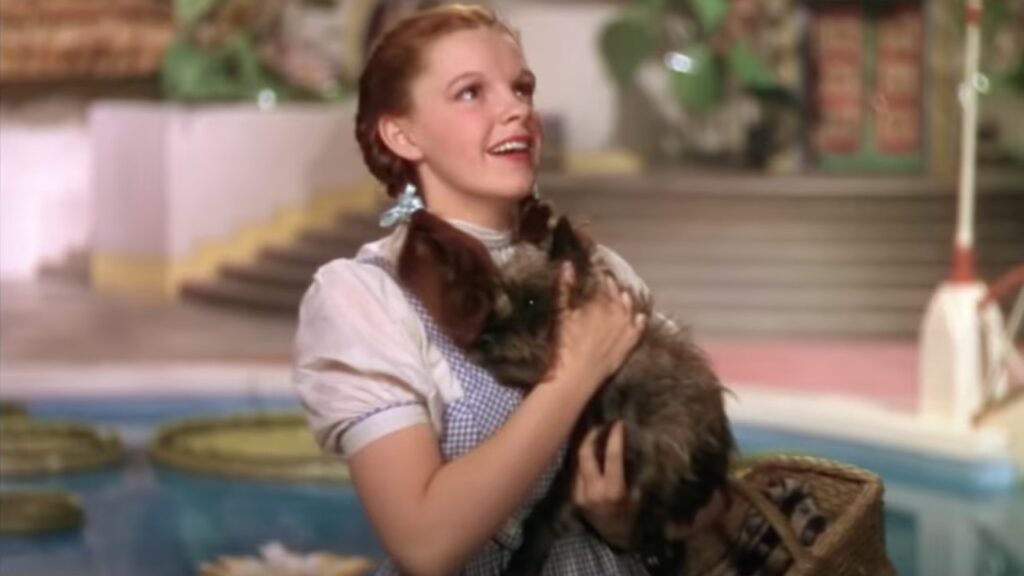
The heartbreaking truth about Garland’s life after ‘The Wizard of Oz‘ is that she never really escaped the studio system that created her. While the world fell in love with ‘Somewhere Over the Rainbow,‘ the real Frances Ethel Gumm was already a victim of Hollywood’s darkest machinery.
Related: Judy Garland Lost This Cult Classic Role Just Months Before Her Final Film
According to biographers and studio records, MGM executives, including head Louis B. Mayer, cruelly referred to the teenage star as their “fat little pig with pigtails”. To keep her weight down and her energy up during the grueling production of Oz, the studio provided a constant stream of amphetamines (“pep pills”) to wake her and barbiturates to force her to sleep.
“They had us working days and nights on end,” Garland later recalled. “Half of the time we were hanging from the ceiling, but it was a way of life for us”. By the time the ruby slippers were boxed away, Garland was already chemically addicted. She was, as she put it, “a walking advertisement for sleeping pills”.
Fired by the Studio Judy Garland Helped Save
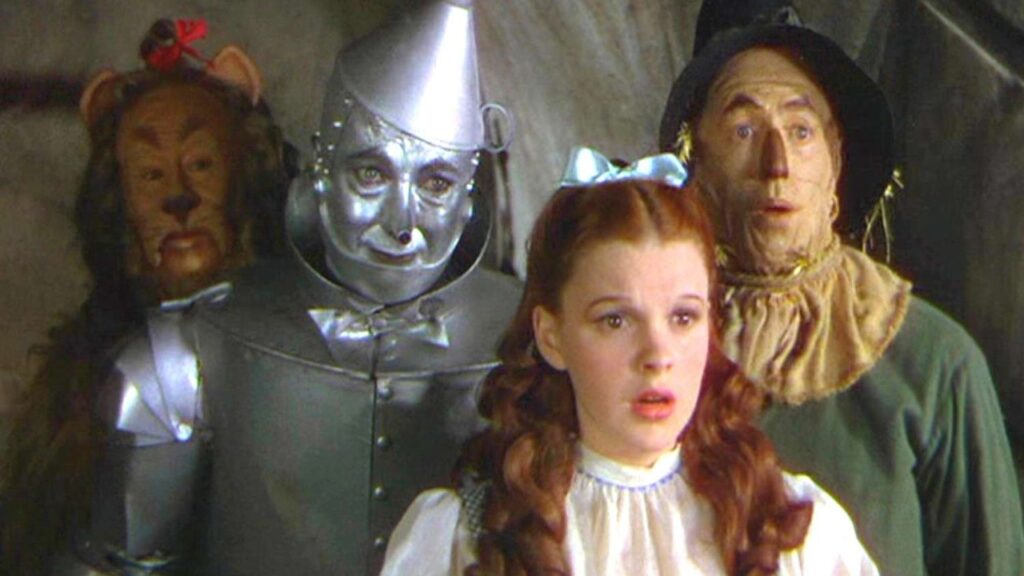
The ensuing decades were a public opera of private despair. In 1950, after 15 years of making hit after hit, MGM fired her. The woman who had saved the studio during the war years was deemed unreliable. Her substance abuse, a condition the studio had created, was now cited as the reason for her dismissal.
In case you missed it: The Real Story Behind Bette Davis and Joan Crawford’s Decades-Long Feud
Yet, Garland possessed a resilience that often gets lost in the tragedy. The 1950s and 60s saw a spectacular series of comebacks, each more defiant than the last. The peak of her survival was the 1961 Judy at Carnegie Hall concert. Recorded live, the album was a phenomenon. Leonard Bernstein was spotted crying in the audience; Henry Fonda was shouting bravo. It was, as one observer noted, “like a revival meeting”. For two hours, Garland purged her demons through song.
Judy Garland’s Final, Heartbreaking Chapter
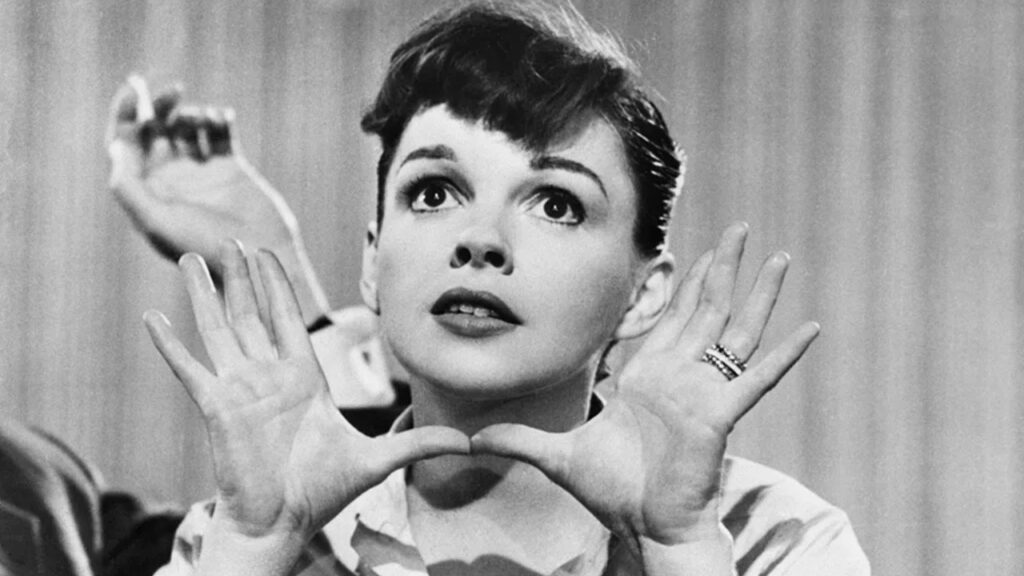
However, the drugs and the unstable relationships took their toll. By 1969, the ‘Carnegie Hall Judy‘ was gone. Desperate for money and facing an IRS lien, she was performing in small nightclubs. On June 22, 1969, she was found dead in the bathroom of her London townhouse. An autopsy revealed she had accidentally overdosed on barbiturates. She was 47.
Looking back, the line between Dorothy and Judy is tragically blurred. In a cruel irony, the song that defined her became a requiem. As musicologist Walter Frisch notes, Garland’s later performances of ‘Over the Rainbow‘ were devoid of the original’s wistfulness. Instead, her voice carried a “darker, grittier texture,” the sound of a survivor who realized that for her, there was no place like home.
You might also want to read: The Sad Truth About Joan Crawford’s Career After the Golden Age of Hollywood