

While many horror movies rely on jump scares and supernatural elements, only a few films have broken genre stereotypes by offering an extremely realistic and tragic portrayal of fear. Released in 2002, ‘May‘ by Lucky McKee nailed this very aspect, gaining the admiration of legendary critic Roger Ebert, who gave it a strong four-star rating.
The plot revolves around loneliness and the search for human contact, making it unique and highly emotional. It included a powerful lead performance from Angela Bettis, who blended dark humor and madness perfectly. The film showed how profound sadness can lead to the most disturbing consequences, and its complexity eventually earned Ebert’s special appreciation.
Why Roger Ebert Gave ‘May’ Four Stars?

Unlike many horror movies that appeal to viewers for their shock value, ‘May’ was unique in its approach to the genre. This 2002 psychological movie tells the story of a shy young lady with a lazy eye named May Dove Canady.
Related: Why Jim Carrey Refused to Get Angry After Roger Ebert Slapped Him With a Brutal Thumbs-Down
Because of her loneliness and desperate desire for some company, the character suffers a profound psychological breakdown and gradually loses her sanity. What makes the film unique is that the director does not portray its protagonist as a villain but instead focuses on her suffering and tragedy.
This very approach, giving this plotline an unusual spin, impressed Roger Ebert, a famous film critic. He praised McKee for transforming the original storyline, intended as a dark and funny character description, into a tragic one.
Moreover, Ebert appreciated the director’s ability to make viewers empathize with the lead actor despite her cruel actions. By emphasizing the human side of horror and exploring themes of emotional pain and suffering, McKee crafted a story that was both compelling and unsettling.
Describing it as a “portrait of madness and sadness,” Ebert praised the movie for gliding past black comedy into genuine tragedy. He also lauded its ability to make the audience feel a “fundamental sympathy for its monster.”
Angela Bettis Made ‘May’ Into A True Cult Horror Movie
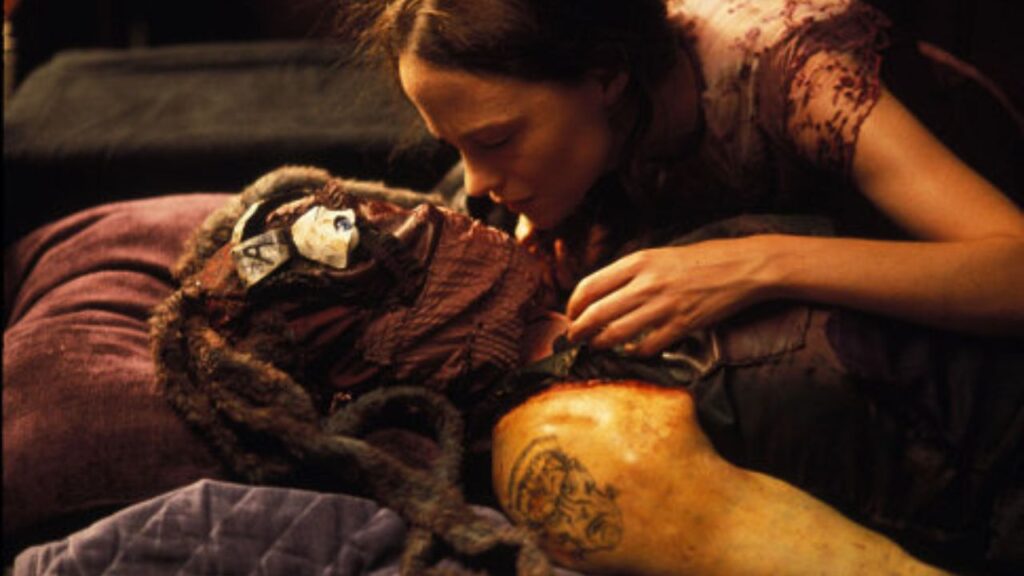
What ultimately elevated the film was the performance of its lead actress, Angela Bettis. This young actress succeeded in portraying May, who struggled to communicate with others for various reasons.
In Case You Missed It: The Forgotten 1990 Horror Movie That Expanded Norman Bates’ Origin
The leading lady combined several qualities, such as vulnerability, awkwardness, and instability, that made the central character more complex and understandable. The process helped Bettis portray the tragedy of her character and let viewers in on her suffering, which grows throughout the movie.
With McKee’s skillful work, this psychological horror stood out from other movies in the genre. Upon its release, audiences paid little attention to the film, and it struggled to find commercial success. However, it gained popularity among horror fans in niche circles over the years.
The combination of McKee’s direction and Bettis’s nuanced performance transformed ‘May’ into one of the most distinctive horror films of the early 2000s. It explains why Roger Ebert considered it worthy of his highest praise.
You Might Also Like To Read: The Real Cannes Robbery That Mirrors Alfred Hitchcock’s Classic Thriller