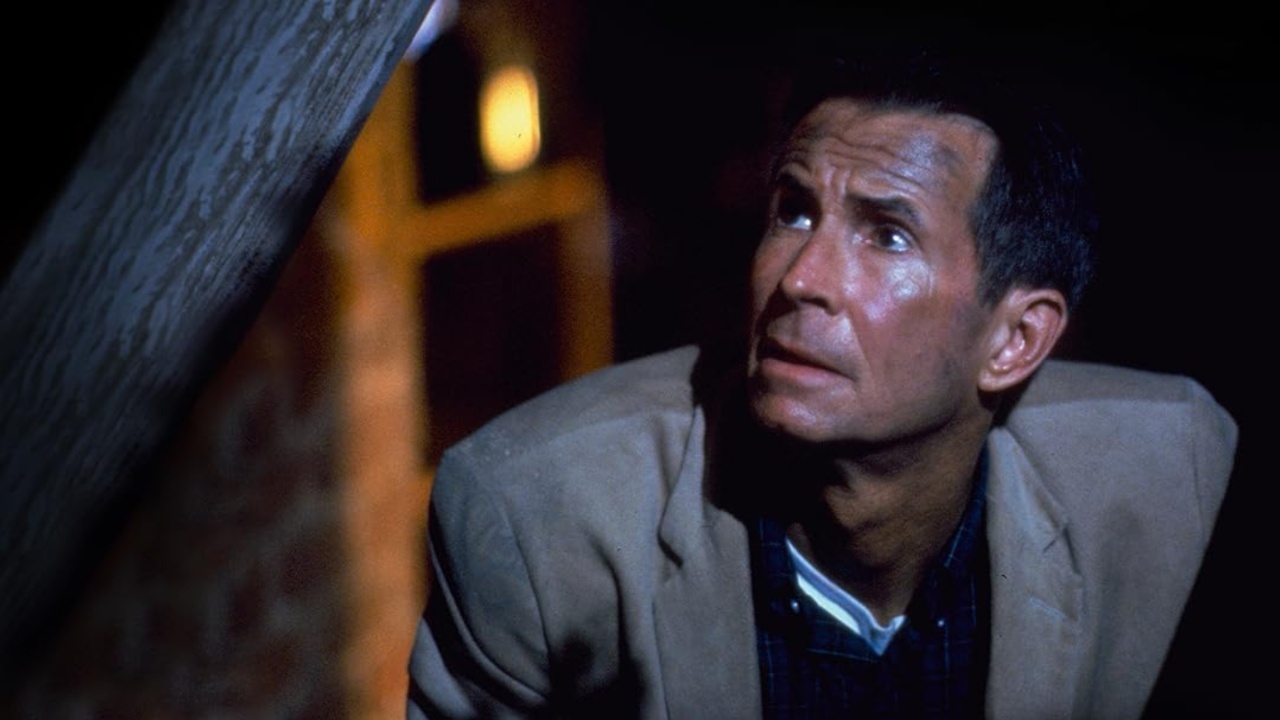
For many horror fans, the ‘Psycho‘ franchise begins and ends with Alfred Hitchcock’s 1960 masterpiece. Others remember the surprisingly strong sequels that followed Anthony Perkins’ return as Norman Bates. Yet one entry often gets left out of the conversation: ‘Psycho IV: The Beginning‘.
Released in 1990 as a Showtime television movie, the film attempted something none of the previous installments had fully explored. It peeled back the layers of Norman Bates’ childhood and showed how one of horror’s most infamous killers was created long before Marion Crane checked into the Bates Motel.
‘Psycho IV’ Gave Viewers A Peek At Norman’s Troubled Childhood
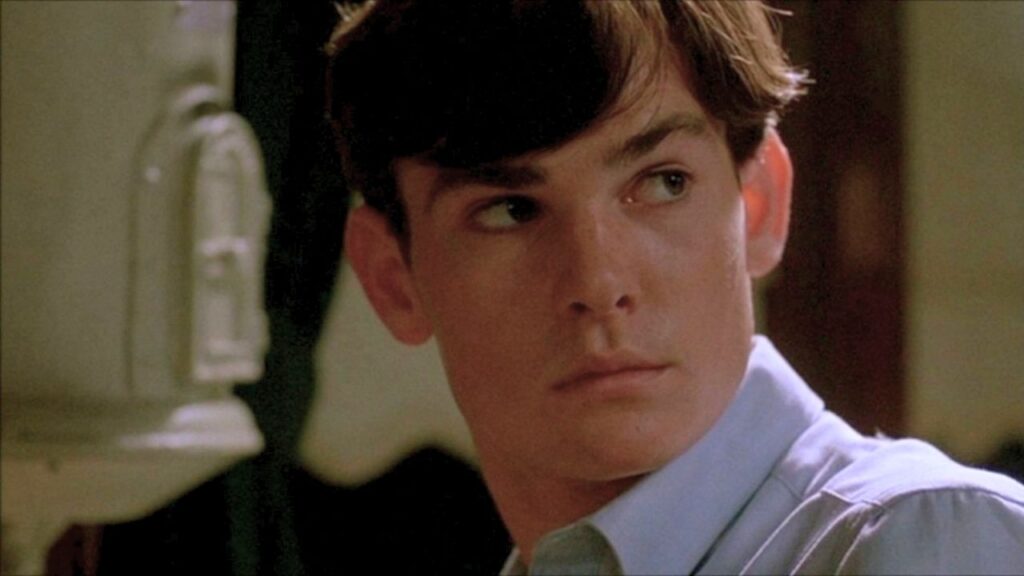
‘Psycho IV‘ opens with the topic of matricide on a radio show, the killing of one’s own mother. Among the guests sits Dr. Leo Richmond, the psychiatrist who had questioned Norman Bates after the murders in 1959. Before long, the discussion takes a dramatic turn when a caller named “Ed” joins the program. Yes, it’s a reference to Ed Gein, the real-life criminal who inspired Norman Bates’ character.
As the conversation continues, the caller reveals himself to be Norman. He shocks the hosts and listeners alike when he declares, “I’ve killed before, and now I’m going to have to do it again.” While the hosts try to determine whether Norman poses a genuine threat, he remains on the line and begins sharing stories from his childhood.
Related: The Real-Life Killer That Fascinated Alfred Hitchcock More Than ‘Psycho’
Through a series of flashbacks, we learn more about his complicated relationship with his mother, Norma Bates. In doing so, the film shifts its focus away from Norman the killer and instead examines Norman the victim, showing how years of emotional damage altered his future.
Much of the film’s emotional impact comes from its performances. Olivia Hussey is unforgettable as Norma. At times, she appears caring and affectionate toward her son. Then, without warning, she becomes harsh, controlling, and cruel. Norman sums up her behavior perfectly: “She’d be sweet one moment and then suddenly turn mean.”
At the same time, Henry Thomas brings a great deal of sympathy to a young Norman Bates. Rather than portraying him as a future monster, Thomas makes him shy, a lonely teenager desperate for love and acceptance. Thomas’ reactions during the murder scenes especially feel raw and believable.
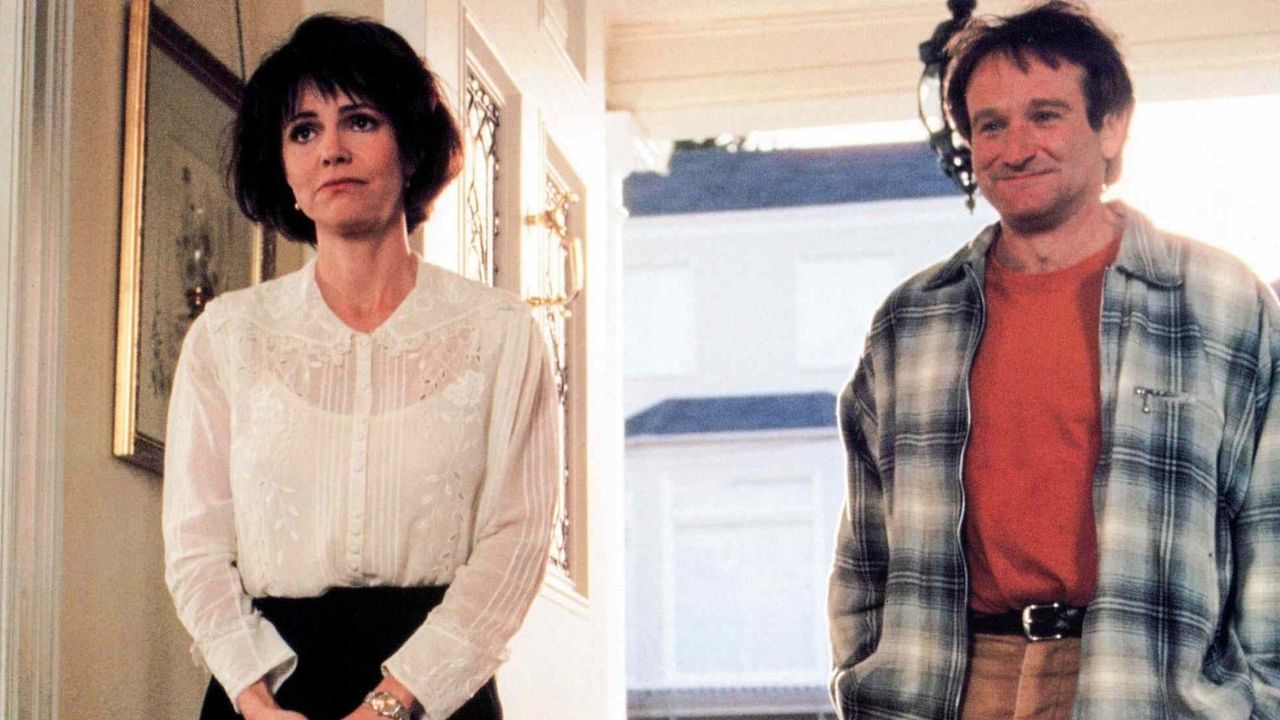
Meanwhile, the movie also offers a glimpse into Norman’s later life. Years after the murders, he married Connie, a respected psychologist who worked at the institution where he had once received treatment.
The Film Added To The Lore But Raised New Questions
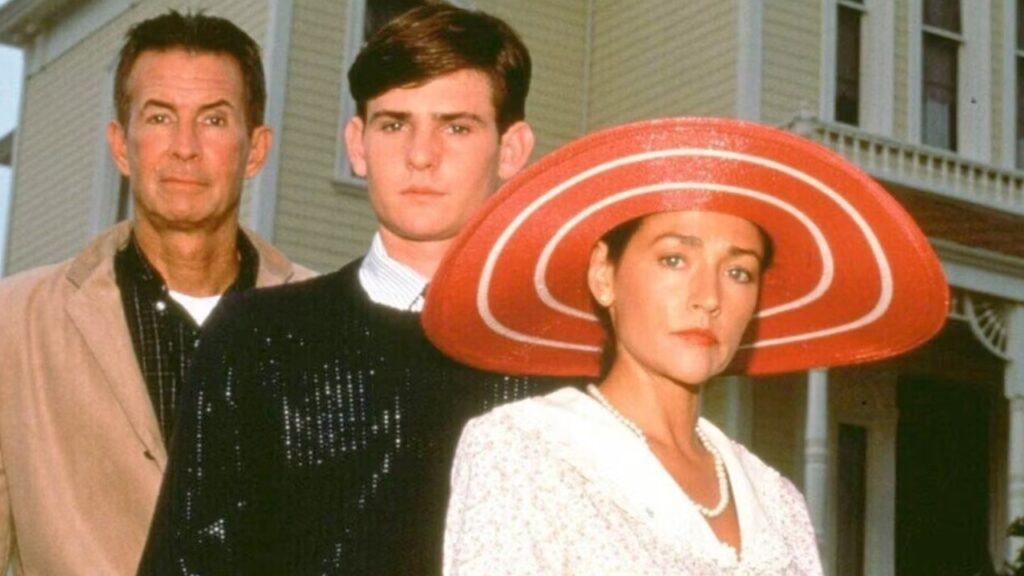
While ‘Psycho IV‘ expanded Norman’s backstory, it also created several problems for fans who closely followed the franchise. The most significant issue involved the origins of the Bates Motel itself. In this film, Norman and his mother were already living at the Bates house, and the motel was operating before Chet became part of their lives.
In case you missed it: The Real Reason Ingmar Bergman Believed ‘Psycho’ Revealed the Real Hitchcock
The film even showed Norma becoming furious after learning that a new highway would bypass the motel, threatening their financial future. However, that version of events conflicted with information from the original ‘Psycho‘.
During his conversation with Marion Crane, Norman had explained that Chet had convinced his mother to build the motel. Later in the film, the sheriff supported that same story. As a result, many fans found it difficult to reconcile the two versions of Norman’s past.
The continuity issues did not stop there. For example, the Bates house appeared yellow in ‘Psycho IV‘. That detail made sense because ‘Psycho II‘ showed Norman painting the property yellow after reopening the motel. Another issue emerged during Norman’s radio confession. At one point, he claimed that he had killed “damn near a dozen people.” Interestingly, it only made sense if viewers counted the deaths from ‘Psycho II‘ and ‘Psycho III‘. Yet, director Mick Garris largely ignored those sequels while making ‘Psycho IV‘.
Although its lore problems prevented it from fitting perfectly alongside the earlier films, it still gave audiences a detailed look at the painful childhood that made Norman Bates notorious and one of Hollywood’s most famous serial killers.
You might also like to read: The Chilling True Crime Story That Stopped Alfred Hitchcock’s ‘Psycho’ From Airing on TV