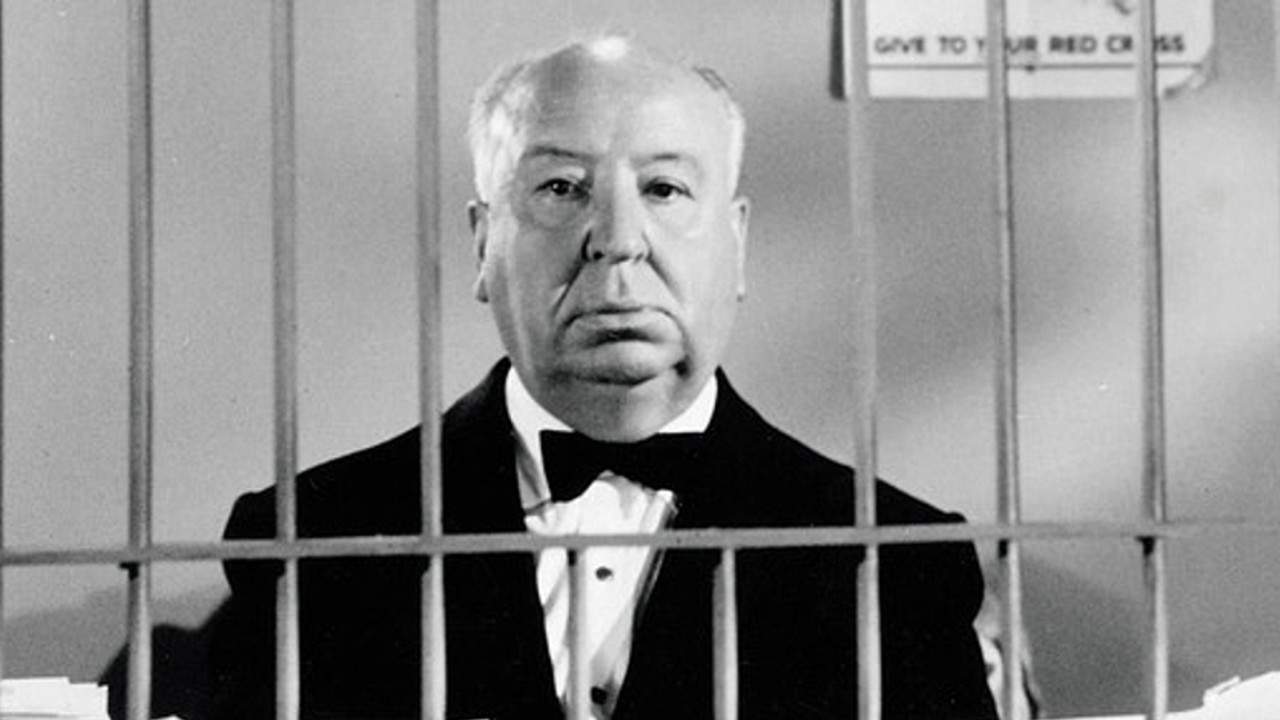
Long before ‘Psycho,‘ Alfred Hitchcock spent years chasing the ghost of a real-life French serial killer. This man lured women to his country cottage by promising to marry them. Then he fed them into his kitchen stove.
In the history of crime, few names have influenced the arts as much as Henri Désiré Landru. Executed in 1922, the balding, bearded Frenchman became the model for movie evil. He got inside a young Hitchcock’s head in a way that Norman Bates, with all his stuffed birds and mother issues, never quite could.
Even though ‘Psycho‘ is Hitchcock’s masterpiece of horror, his lifelong interest in the “Bluebeard of Gambais” points to something darker. It wasn’t about a crazy motel keeper. It was about a cold, organized killer who kept track of his victims in a ledger book.
How Henri Landru Lured Women With Lonely-Hearts Ads
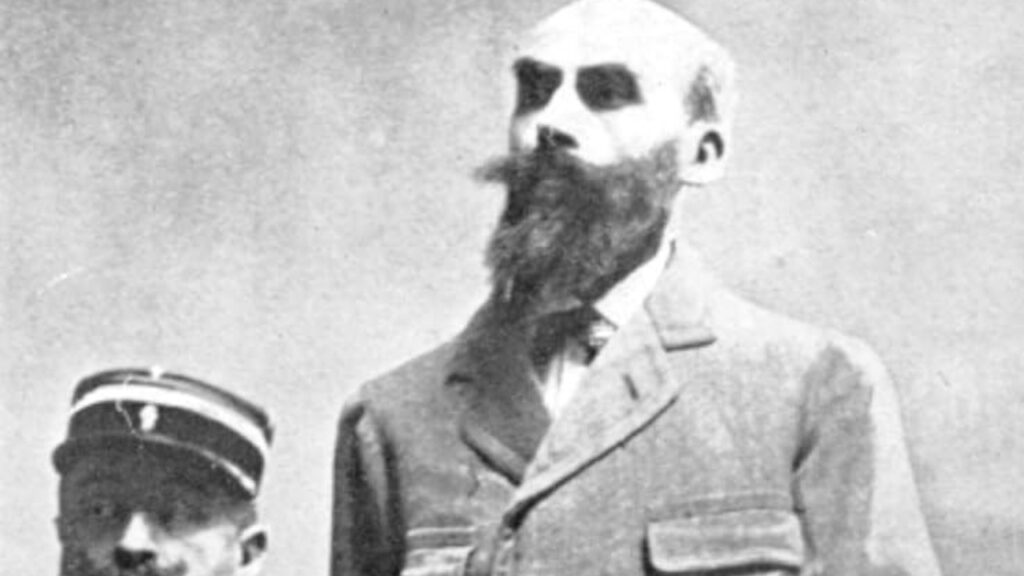
The story that grabbed the world started during World War I. Between 1915 and 1919, Henri Landru put lonely-hearts ads in Paris newspapers. He was looking for wealthy widows. People who knew him said he was a “homme fatal.” He was middle-aged and totally ordinary, but that plain look was his weapon. When women came to his rented villa in Gambais, about 40 miles outside Paris, they disappeared.
Related: The Surprising Accident That Turned Alfred Hitchcock Into Hollywood’s Master of Suspense
By the time police caught him, Landru was tied to the disappearances of at least ten women and one teenage boy. He had sold off their things, taken their money, and gotten rid of the bodies. It was said that he cut them up and burned them in his kitchen stove. The only real proof the police had was the strange, greasy ash in his furnace and a notebook listing his victims’ belongings.
When they arrested him in April 1919, Landru did not admit to anything. Instead, he wrote something so cold that it sounds like a Hitchcock script. “The police gentlemen would have been more pleased if it had included on the first page, ‘I, the undersigned, confess to having killed the ten women named herein,’” he penned in his notebook.
Why Landru Fascinated Alfred Hitchcock More Than Norman Bates
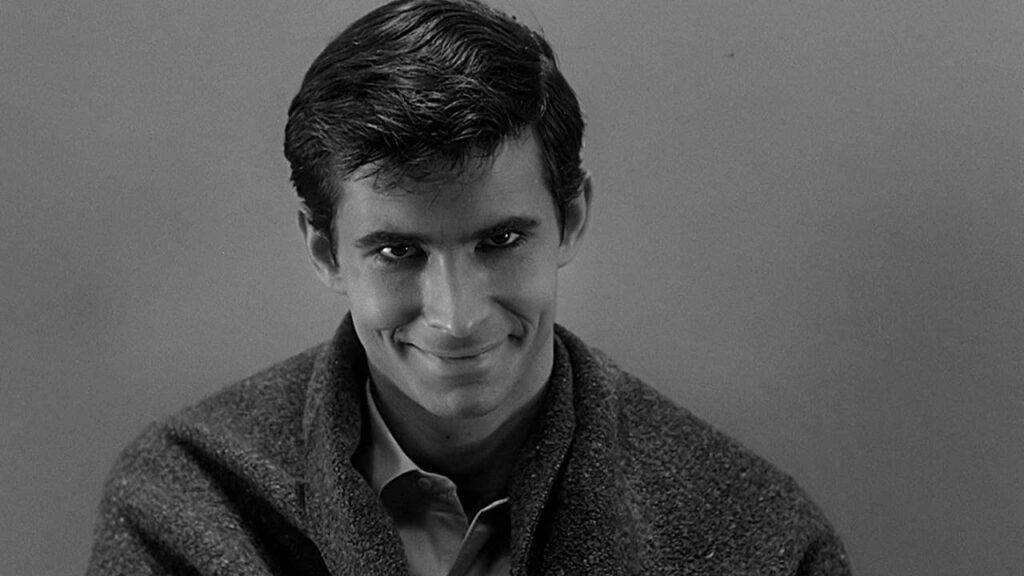
What grabbed Hitchcock and everyone else was not the gore. It was how normal it all seemed. Landru was a modern-day Bluebeard, but without the fairy tale castle and magic key. He stood for a terrifying idea: the monster might look just like your neighbor. That is the heart of Hitchcock-style suspense: violent horror suddenly breaking into a safe, everyday scene.
In case you missed it: The Chilling True Crime Story That Stopped Alfred Hitchcock’s ‘Psycho’ From Airing on TV
Experts say the Landru case connected the old story of Bluebeard to the modern movie villain. In the book “Bluebeard’s Legacy,” cultural historians explain how fears about men losing power and women becoming independent turned Landru into a dark symbol. For Hitchcock, Landru was not just a bad guy; he was a case study. Unlike the dramatic Norman Bates, Landru was scary because he was so controlled. He was evil with a business plan.
Landru’s Direct Influence on Alfred Hitchcock’s Plans
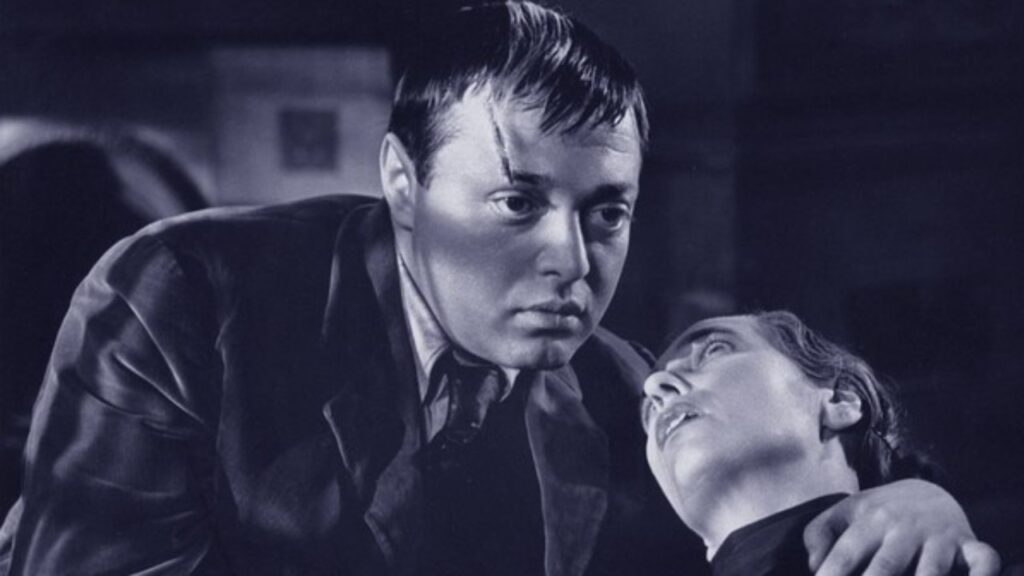
Hitchcock paid direct tribute to Landru not with a knife but with a stolen smile. When he cast Peter Lorre in the 1934 version of ‘The Man Who Knew Too Much,’ Hitchcock said he wanted to bring back the ghost of Landru. Lorre had scared audiences as a child killer in Fritz Lang’s ‘M,’ where he plays Hans Beckert, a smooth, overweight criminal mastermind. However, unlike the obvious sadists in later horror movies, Lorre’s character is creepily polite. He smiles while holding a little girl hostage, and talks about murder while fixing his cuffs. That is Landru’s real legacy: the polite monster.
After Landru’s trial, a French journalist pulled a famous stunt. He ran the exact same lonely-hearts ad that Landru had used. Hundreds of women wrote back, eager to meet this “kind, lonely gentleman.” The journalist said this proved that “a scorched woman rushes heedlessly into a stove.” It is a dark joke that could have come straight from Hitchcock’s own mouth.
As film critic Bill Kelley pointed out, Hitchcock believed the turbulent 1930s were a perfect time for this kind of evil. ‘Psycho‘ gave us a reason for the madness: the overbearing mother. But Landru gave Hitchcock something harder to explain; the monster who hides in plain sight at home.
For the Master of Suspense, the scariest monster was not the one wearing his mother’s dress. It was the one who asked you to dance, took your money, and kept the fire going on a cold winter night.
You might also want to read: The Hollywood Clash That Ended Alfred Hitchcock’s Perfect Partnership with Cary Grant