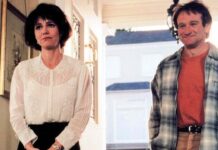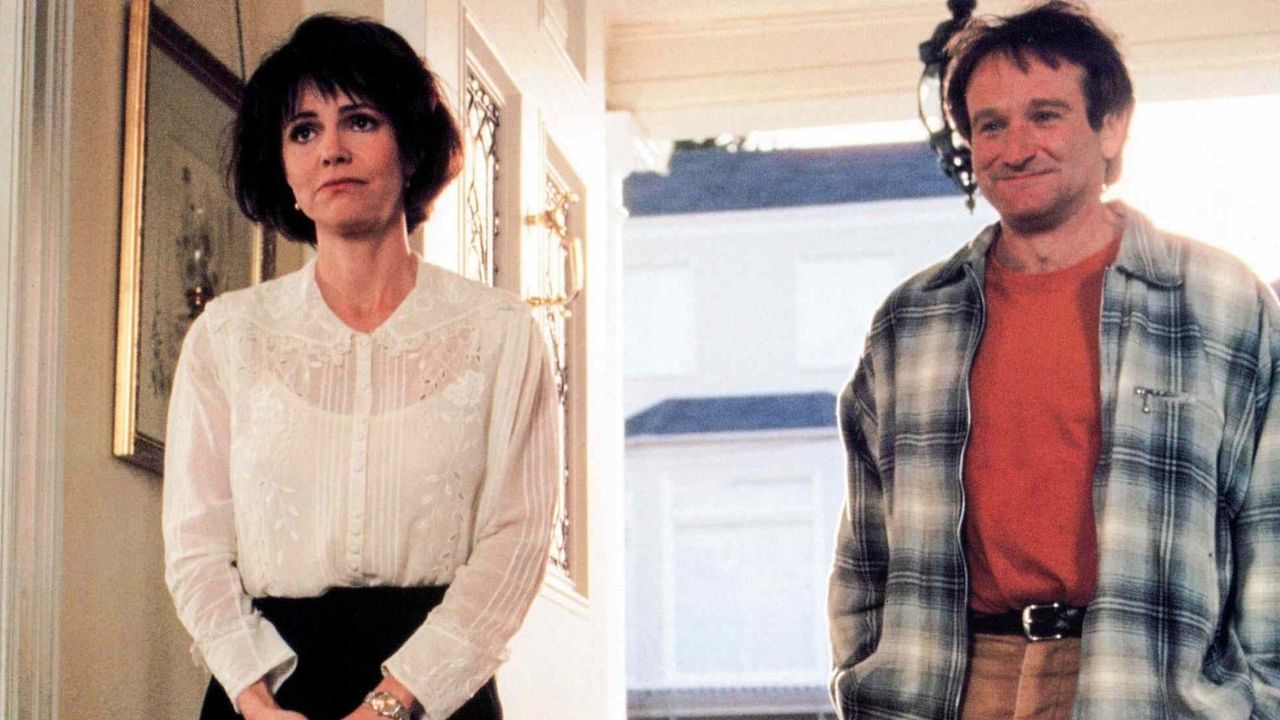
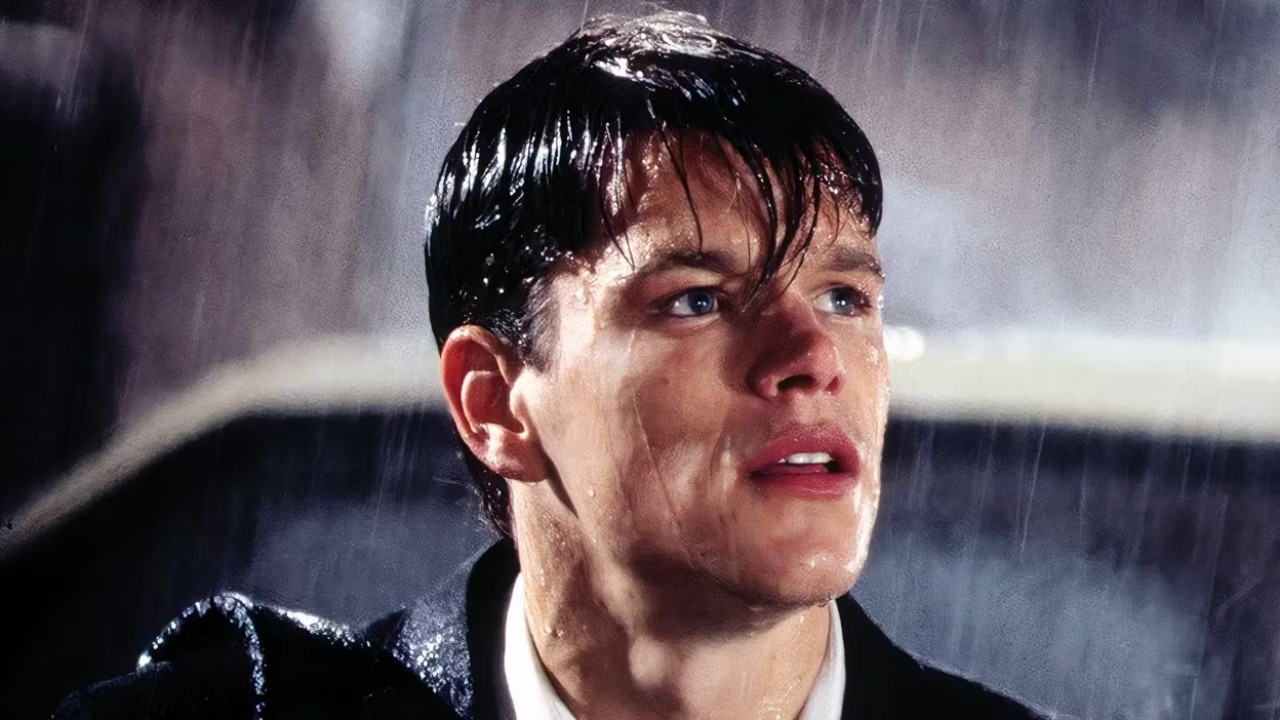
In 1997, Matt Damon was only 26 and about to take his first real leading role, playing a young idealistic lawyer in Memphis in Francis Ford Coppola‘s ‘The Rainmaker.’ Damon had plenty of talent, but he hadn’t yet lived through the kind of rejection that gives an actor real scars, the kind that comes from being fired or told you’re not good enough.
Coppola, who loves stirring things up behind the camera, decided to give him that experience anyway by just making it up.
Francis Ford Coppola’s Fake Firing Prank on Matt Damon
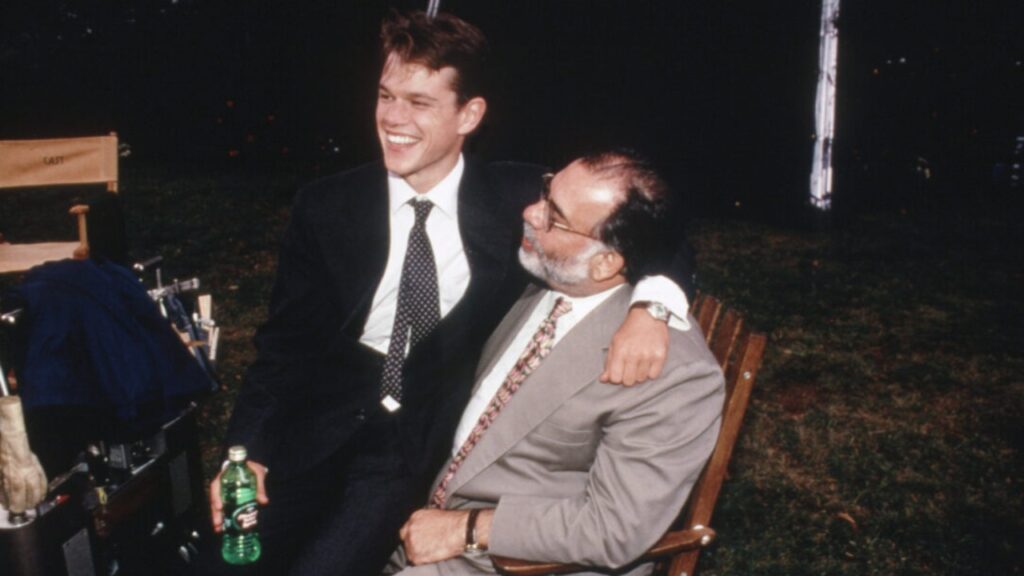
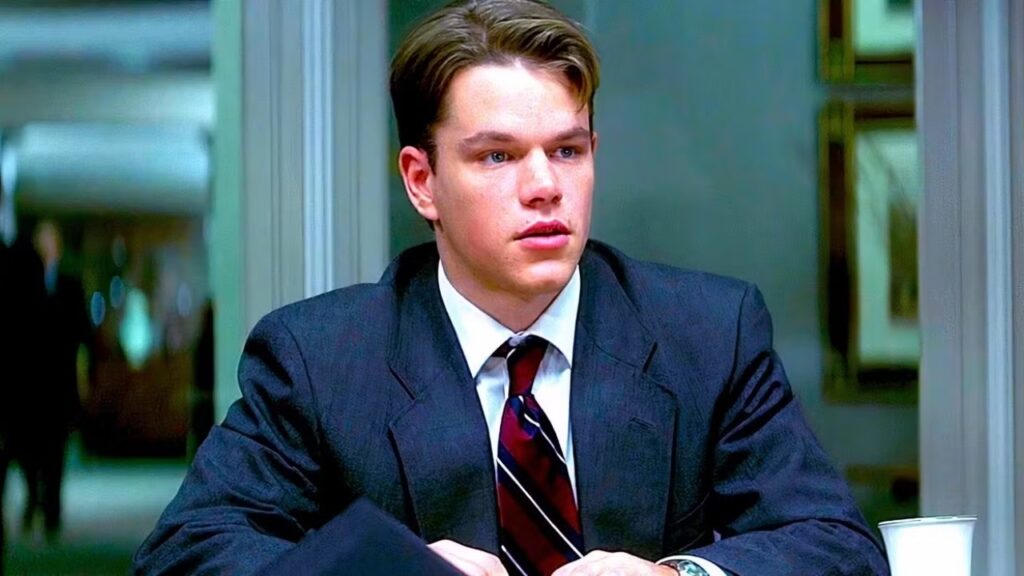
In the scene, Damon’s character, Rudy Baylor, gets fired from his job. Instead of just yelling “action” and hoping Damon could think his way into the right emotion, Coppola played a trick on him first.
Related: The Career Advice Matt Damon’s Mother Gave Him That Led Him to His Wife
“At one point, for example, I told Matt Damon, ‘Gee, Matt, I just got a call from Paramount, and they’re looking at the dailies, and they’re not real happy with your work. Apparently Ed Norton is available…’” Coppola said in an interview with the late film critic Roger Ebert. “Then he had to go and play a scene where he got fired from his job. He knew I was making it up, but in a way, it got him in touch with the feelings.”
It was a small, throwaway lie. Damon probably figured out within seconds that no studio was really about to swap him out for an up-and-coming Edward Norton. But that was the whole point. The lie didn’t need to be believable for long. It just needed to be sudden enough to bring up a real flash of dread and embarrassment, something Damon could then use in the scene.
Francis Ford Coppola’s Acting Games and Directing Methods on Set
Coppola told Ebert this wasn’t just a one-time trick. It was part of a whole approach he built on set. It was based on the improv “games” of Viola Spolin, the Chicago acting teacher who trained him years earlier (her son later helped start Second City). “A week before ‘The Rainmaker’ we began playing Viola’s games,” Coppola said. “They break the ice. But also teach concentration. We played games with the actors the whole time we shot.” He even set up what he jokingly called an “acting department” on set, with a dialogue coach and an acting coach ready to run improvisations or brief staged scenarios whenever needed, much like a crew might pause for a lighting fix.
In case you missed it: The Surprising Reason Matt Damon Compared Action Movies to Adult Films
This fits the way Coppola has always worked. He treats everything around a scene as part of the scene. During ‘The Godfather,‘ he famously left Italian cigars and cheese around for Marlon Brando, figuring the smell alone could bring out a mood that no line reading ever could.
Matt Damon and Francis Ford Coppola’s Bond After ‘The Rainmaker’
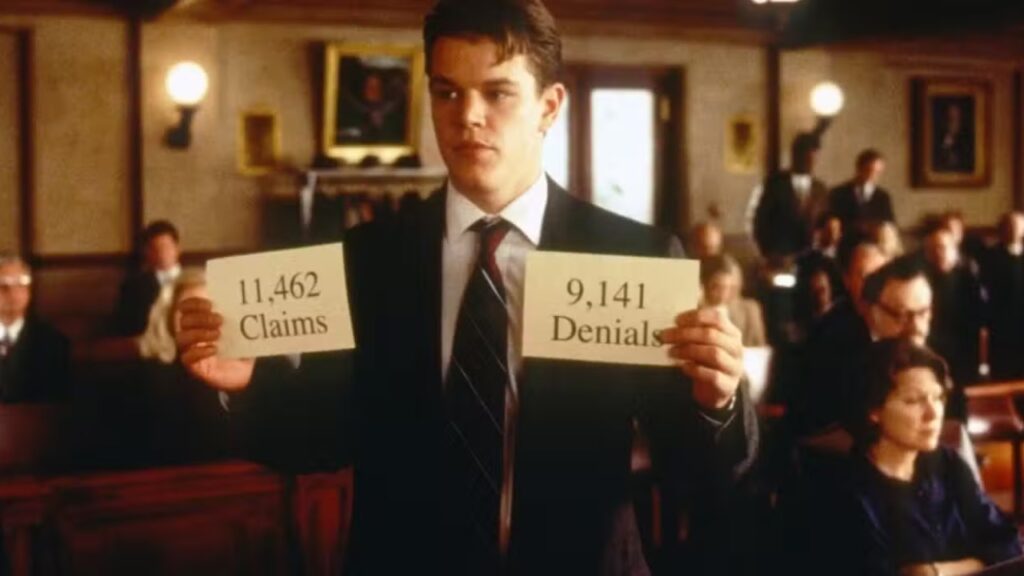
For Damon, the fake firing seemed to stick with him longer than the scene itself. Years later, talking with podcaster Marc Maron about the bond actors build on a set and then lose once filming ends, he remembered telling Coppola near the end of the shoot, “I’ve had the best time. I really hope we can do this again.” Coppola looked at him and simply said, “So do I.” They never worked together again. ‘The Rainmaker‘ turned out to be Coppola’s last studio film for a long stretch, and Damon’s career took off just a month later with ‘Good Will Hunting.’
Almost thirty years later, this story has turned into a small lesson about directing. Sometimes the kindest thing a filmmaker can do for an actor is lie to them, just long enough and just convincingly enough, to get something real out of it.
You might also want to read: Matt Damon Nearly Risked His Life Losing 50 Pounds for a Role He’ll Never Repeat