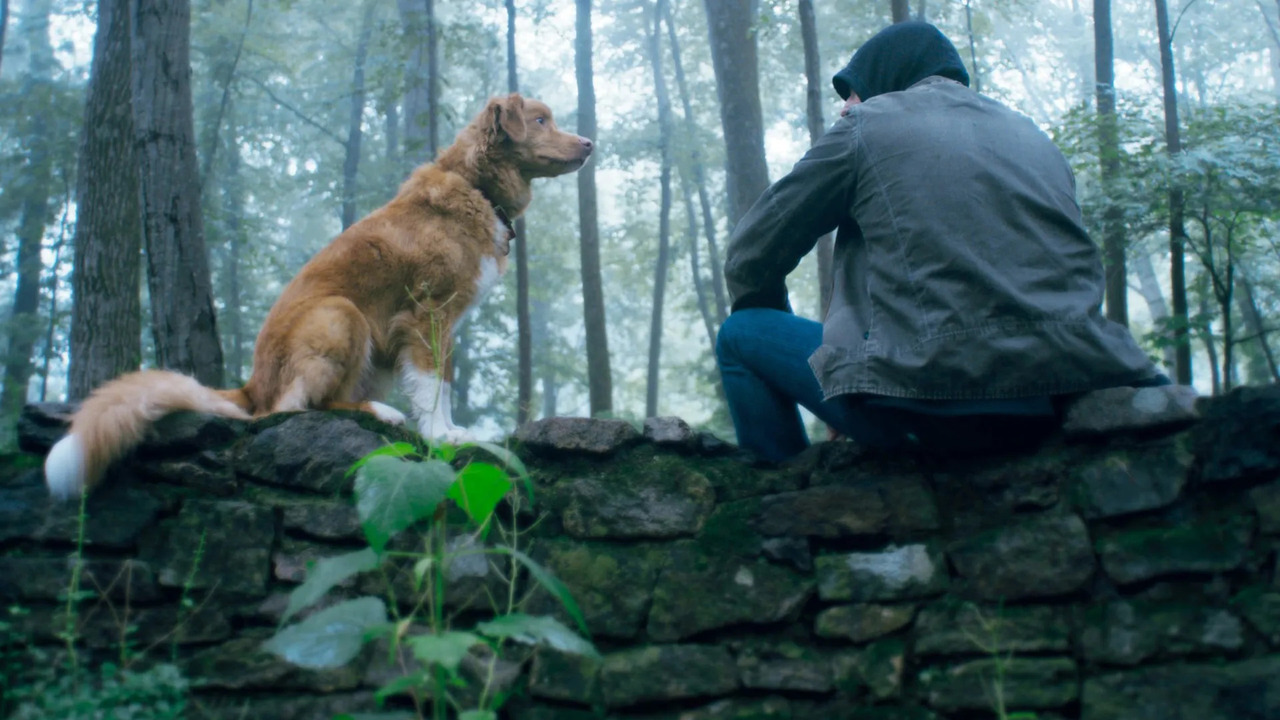
Ever found yourself watching a movie in a cinema hall with a handkerchief in your hand, seeing a faithful dog waiting for its owner at the railway station, or protecting its family from an intruder at home? Well, then you know what a “dog movie” is. Good Boy joins this esteemed category of movies not as an imitation of the classics, but as a modern classic. Like ‘Hachiko: A Dog’s Story and Old Yeller’s‘ tragic tale, it touches upon the ancient and mystical connection between man and dog.
In the world of contemporary films, superheroes tend to come in the form of caped individuals or those with technological gadgets. The movie ‘Good Boy‘ breaks from convention in presenting its hero as a canine with no cape or any technology whatsoever, but whose presence makes the difference between the disoriented family falling apart and surviving their situation.
An Unlikely Hero Amidst Chaos And Confusion
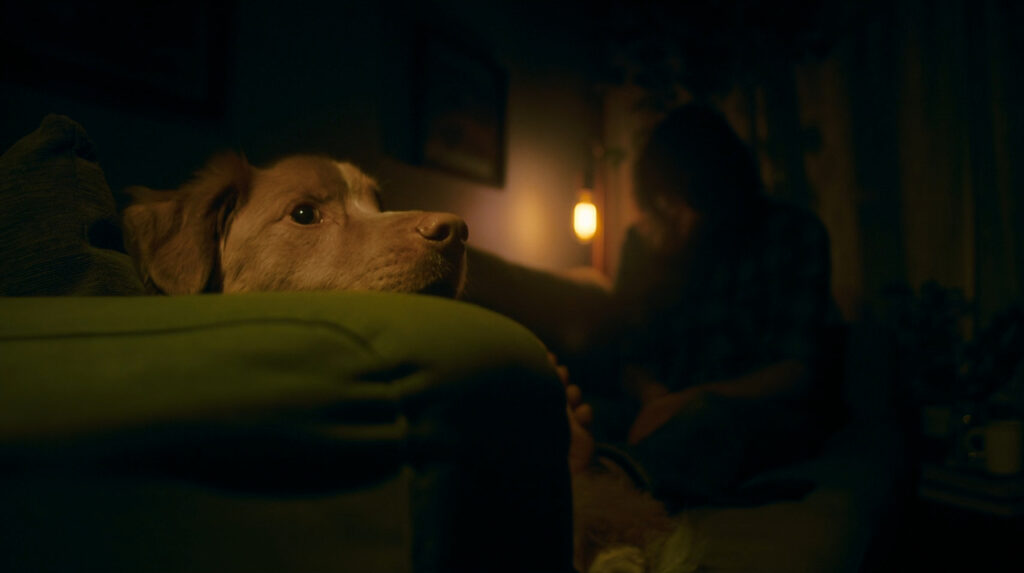
This chaos refers not just to one incident but to the gradual tension in a household faced with the problem of economic insecurity and personal issues. The good boy does not defuse bombs, but deals with the psychological explosions with an uncanny instinctiveness.
The most fascinating part about this story lies in the so-called “conundrum” that humans do not recognize something obvious because of their pride. As the circumstances of the family become more limited, Indy assumes even more weight.
He is the silent psychotherapist in times when the father is about to explode in fury, and he stands for sheer joy for the child who finds himself in such a difficult situation. From the point of view of cinematography, Indy is no longer an object but the focus of attention; the camera zooms in on him, illustrating the messiness of human mistakes from his angle of utterly confused devotion.
Related: 5 Reasons We Are More Excited About Greta Gerwig’s Narnia Than The Harry Potter Reboot
Navigating Loss And Death
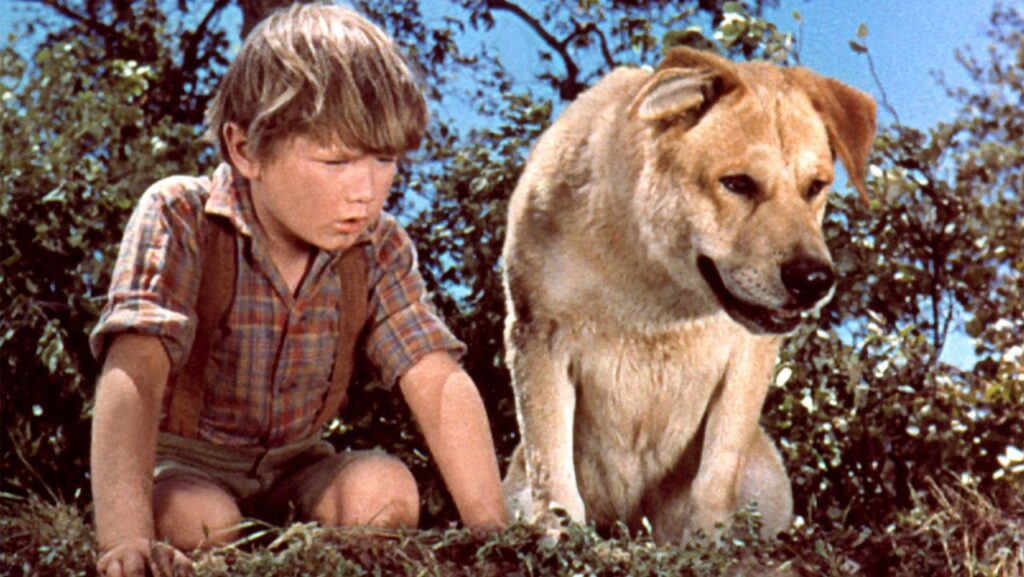
Whereas Old Yeller traumatized us because it made us realize that loving someone might mean losing them, Good Boy is a more modern approach to the idea of mortality. While it isn’t afraid to address death head-on, the movie looks at the “ending” as an integral element of the story itself.
It takes on the difficult task of handling grief—of not just saying goodbye to a pet, but of leaving behind a way of life. The movie looks at the ways in which we burden our pets with our darkest worries, and how they take that baggage until they cannot hold it anymore.
In case you missed it: ‘The Boys’ Star Karl Urban Sparks Debate After Calling One Type Of Superhero “Underwhelming”
The final act of the movie is what makes the comparison with Hachi appropriate. It is about that painful yet poignant experience of waiting. There is nothing exploitative in the death depicted in the movie Good Boy. Instead of trying to make death out of death with cheap emotional blackmail, Good Boy presents death as a quiet transition.
While death is being shown, the viewer is invited to share the silence after it, to see how wide an emptiness opens up in the family space when there is no more of that good boy who went to sleep forever. Through the experience of grieving, one realizes how deeply ingrained in the DNA of the family are the lessons of devotion and eternal forgiveness learned from their four-legged friend.
In conclusion, “Good Boy” isn’t just a movie for “dog lovers,” but rather it’s a reflection of the human experience. This film stands among the classics because it realizes that the story of a person and his dog is the truest story there is. As you walk out of the theater, you’ll feel like you’ve said goodbye not to some movie character, but to every loving nose and wagging tail that you’ve ever known yourself. It is a movie full of heartbreak, love, and celebration, but it is also soul-crushing in many aspects!
You might like to read: ‘The Boys’ May Have Already Revealed The Key To Defeating Homelander