
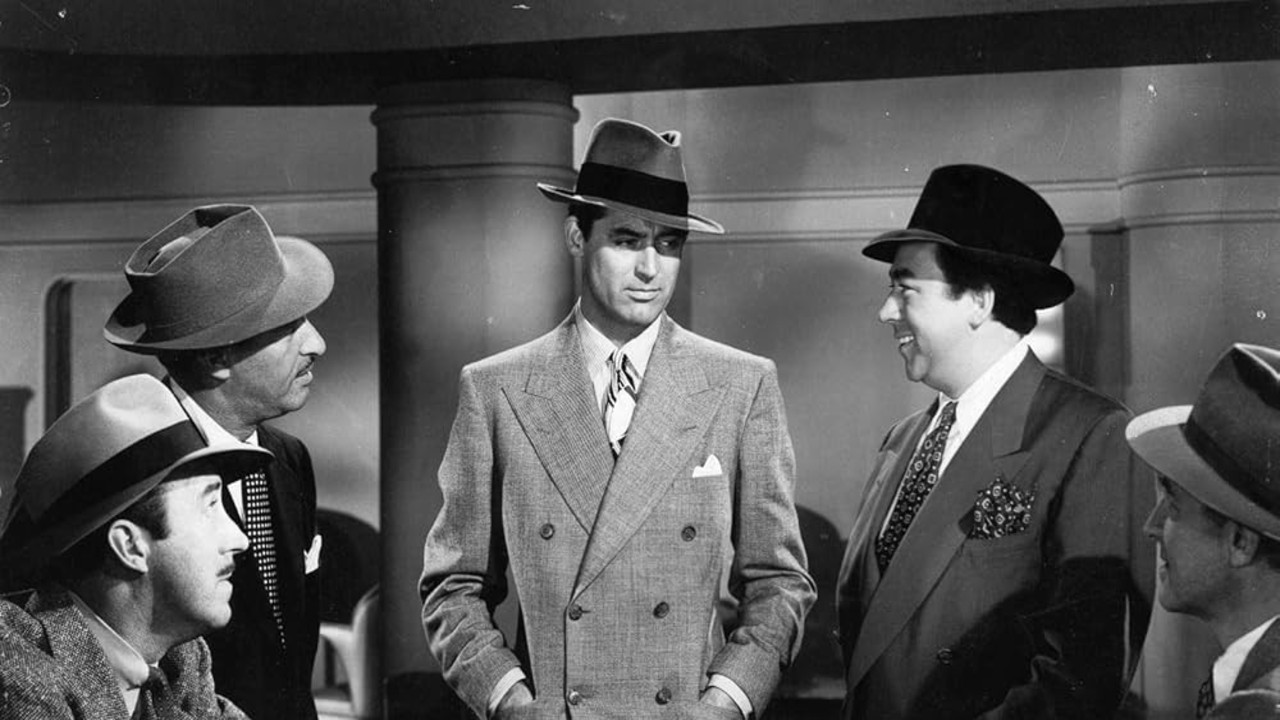
For much of his career, Cary Grant represented Hollywood sophistication at its peak. From trading sharp dialogue in romantic comedies to navigating suspense-filled adventures, he consistently personified a man who seemed confident, composed, and in control.
Yet, Grant himself believed one film came closer than any other to revealing who he really was beneath that carefully crafted image. That film was none other than ‘Mr. Lucky‘ (1943), a romantic comedy-drama that remains one of the most personal projects in the legendary actor’s career.
The Role Cary Grant Saw Himself In
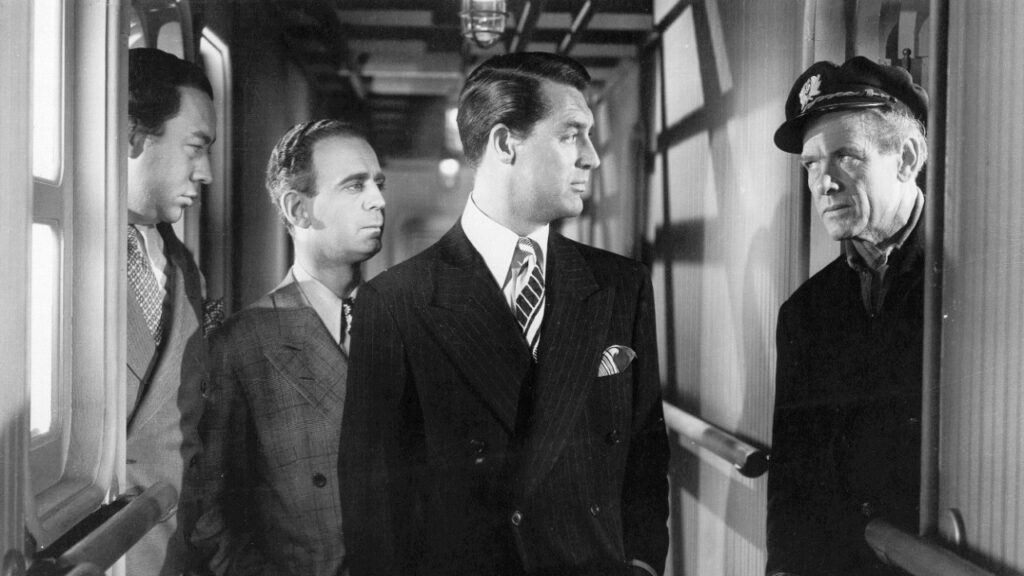
Grant’s connection to the role of Joe Adams from ‘Mr. Lucky’ came to light years later in his biography, ‘Haunted Idol.’ Written by Geoffrey Wansell, the book was published in January 1983. “The film is memorable to me because the character I played was more like the real Cary Grant than any before,” Grant said.
Related: The Hidden Hollywood Feud Between Cary Grant and ‘Casablanca’ Director No One Talks About
“Mr. Lucky was seemingly a happy-go-lucky guy, but that was the cover for a sensitive soul,” he added. The comment carries extra weight when viewed through the lens of Grant’s life story. Before becoming one of cinema’s biggest stars, he was Archibald Leach, a young man from Bristol, England, who endured poverty and a deeply troubled childhood.
Why Joe Adams Felt So Personal?
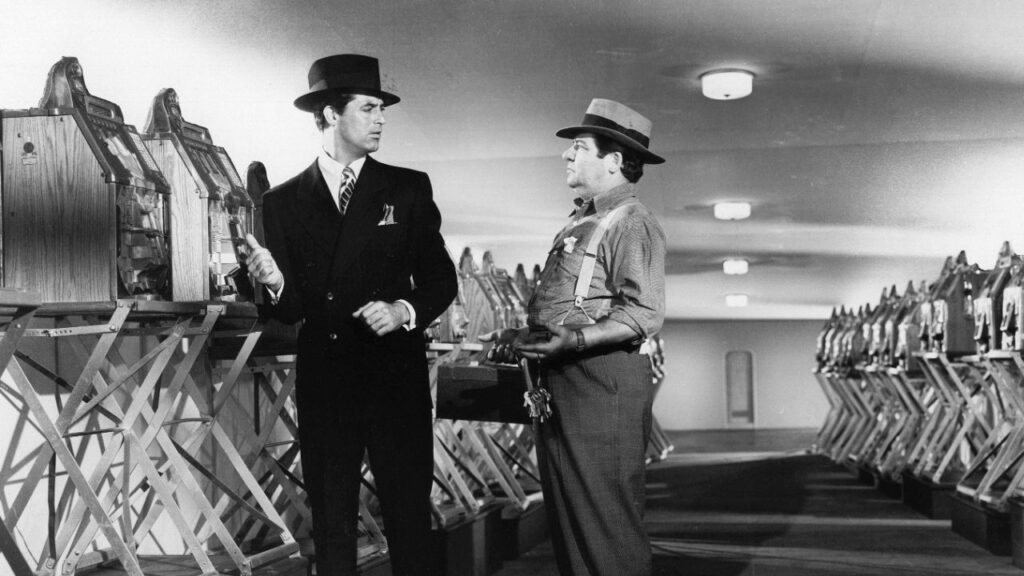
The polished Cary Grant persona became both a career asset and protection, allowing the actor to conceal insecurities behind effortless charm. That tension between appearance and reality sits at the center of ‘Mr. Lucky.’ Grant plays Joe Adams, a gambler and grifter determined to avoid military service during World War II.
In case you missed it: Cary Grant’s Obsession With Sophia Loren Was More Intense Than Anyone Knew
After assuming another man’s identity, Joe sets out to profit from a gambling operation while exploiting a war relief charity for financial gain. But his plans change when he meets Dorothy Bryant, played by Laraine Day. As their relationship deepens, Joe begins to question the selfish choices that have defined his life.
The film gradually transforms from a light romantic comedy into a story about conscience, redemption, and personal responsibility. Joe enters the narrative hiding behind a false identity, only to discover that maintaining the deception becomes harder as he develops genuine feelings and moral awareness.
A Rare Glimpse Behind The Cary Grant Persona
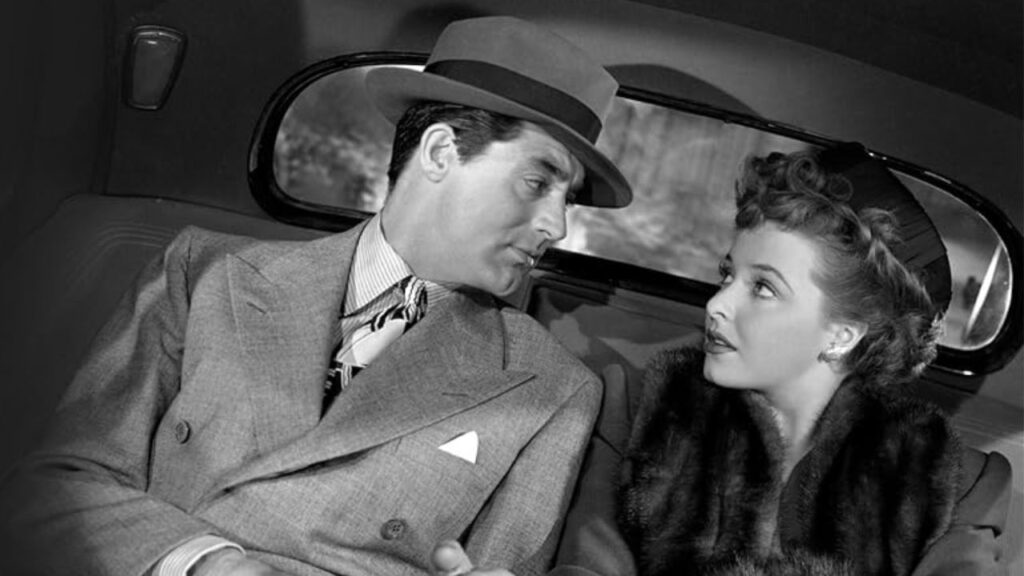
Joe’s emotional journey helps explain why Grant felt such a strong connection to the film. Like the character, he spent much of his life balancing public perception against private reality. The 1943 movie by director H.C. Potter became a commercial success for RKO Pictures.
Yet, it is often overshadowed by Grant’s celebrated work with iconic filmmakers such as Alfred Hitchcock and Howard Hawks. As a result, many modern viewers overlook one of the actor’s most revealing performances.
For audiences interested in understanding the man behind the legend, the film remains essential viewing. Over eighty years after its release, ‘Mr. Lucky’ still offers a clear glimpse into the sensitive, complicated individual hidden beneath Hollywood’s most polished leading-man image.
You might also like to read: The Lost Production That Exposed Cary Grant’s Dark Side in Hollywood











 the role closest to his real personality. Here's why the classic film revealed the sensitive soul behind Hollywood's most charming leading man.)