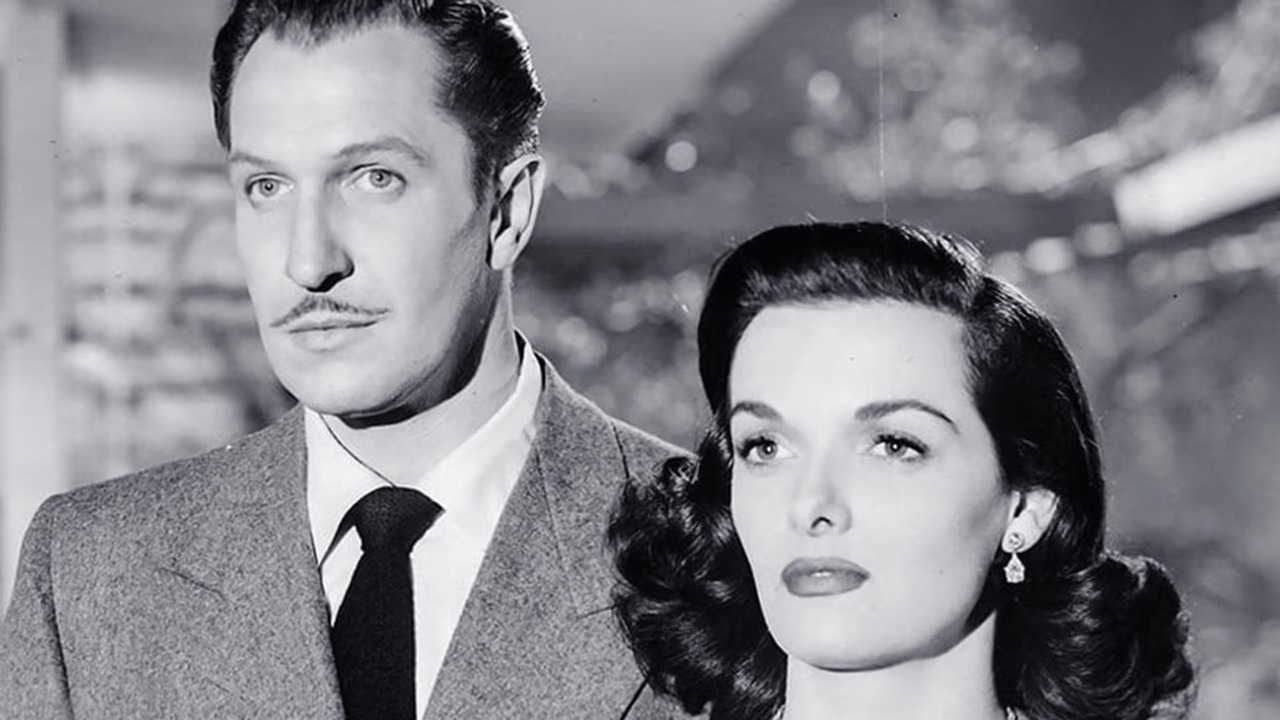
Years before Vincent Price was hailed as the definitive madman in American Gothic horror movies, he was Hollywood’s premier smooth-talking king. There was no need for the haunted house or the wax museum for Price to scare audiences. All it took was a debonair charm, a tuxedo, and a whole lot of debt. This is what ‘The Las Vegas Story‘ is all about, which happens to be one of his greatest yet underappreciated performances.
While Price is infamous for his roles in Edgar Allen Poe’s adaptations, this movie was a deviation from the usual typecasting. The 1952 movie, in fact, offers the glitz, glam, and vibrant landscape of 1950s Vegas, but with an added masterclass in financial crime. Here’s how Robert Stevenson’s flick reshaped and ultimately redefined the suspense noir genre with this film
Affluence Illusion And The Lifestyle Trap
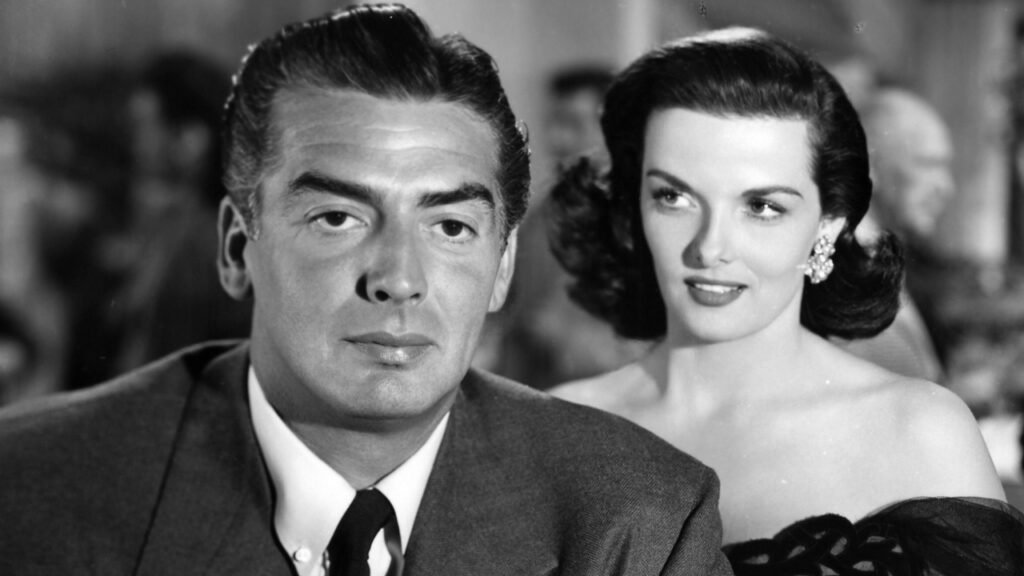
The most dangerous financial crooks never present themselves as thieves; rather, they are the embodiment of success. Price knows this all too well and plays on his natural aristocratic charm to give Lloyd Rollins his distinctive character traits.
However, the skillful actor shows us how Lloyd and Linda enter Las Vegas aboard a train as confident individuals who own every inch of space they occupy.
Price masterfully hides this confidence beneath a subtle yet noticeable tremor in his acting. It becomes apparent fairly quickly that Lloyd’s riches are nothing more than an illusion he maintains as his reputation, preventing creditors from coming after him back east.
Regarding financial offenses, the illusion can be best explained by the “lifestyle trap.” Financial criminals rarely engage in theft or misuse of resources because they have a motive to do evil; rather, they steal or misuse funds because they cannot sustain their lifestyles.
They need funds to maintain them, and they do so by manipulating the people around them, and in this case, it is Linda. For Lloyd, Linda isn’t his wife but an exasperating lady, and he cannot accept his failure.
He maintains the illusion at all costs by reducing her stature as eye candy in front of society. The marriage is all but a farce to enable his escape from his piling debts and tribulations.
The Psychology Of A Con Man In The Las Vegas Story
It is the true strength, but also the undoing, of Lloyd Rollins in how he handles Linda’s $150,000 diamond necklace. It is not simply a display of wealth, but rather it is his insurance, and the more he gambles and loses, the less he pretends to be an aristocrat.
His inner panic and desperation as a white-collar criminal reflect the exact moment he ‘cracks‘ while pretending to have it all together.
In a desperate attempt to conceal his fraudulence, he secretly sells the priceless necklace to the shady casino owner for much less than what it is worth. This is completely in line with the three components of the “Fraud Triangle,” that is, pressure, opportunity, and rationalization.
In case you missed it: The Real Reason Clark Gable Nearly Walked Off ‘Gone with the Wind’
Rollins has mounting pressure because of the endless debts, which are completely his own doing. It manifests because of his lifestyle, and therefore, he needs an opportunity to carry out a fraud. He, then, sets the stage for his opportunity in Las Vegas, where he enacts his crimes.
It is followed by his rationalizing his behaviors, where he justifies the whole act of “borrowing” the necklace. In doing so, Price reveals the character’s naively optimistic illusion in the same horrifyingly familiar manner as every cliché con-man’s speech.
Once the sales transaction backfired, it resulted in a murder mystery, and Rollins is one of the main suspects. His response to the entire act isn’t shame, fear, or guilt, but rather, the arrogance of an entitled criminal.
In the end, Lloyd Rollins’ character isn’t a noteworthy killer, but someone more sad and pitiful. Vincent Price was destined to become immortalized through his role in playing larger-than-life monsters.
However, in The Las Vegas Story, he offered a monstrous character who walks among us in the real world. Lloyd Rollins is the charming salesman who drains our pension funds and cheats on his books and photographs.
Price’s portrayal of Lloyd Rollins serves as a chilling reminder that the most terrifying villains do not wear masks. They wear ties, tuxedos, and most importantly, deceit.
You might also want to read: Aryna Sabalenka Trades The Court For Fashion In Debut Vogue Cover